
In This Article
Nobody warns you about this before your first real summer ride: the leather doesn’t cook you, the cotton T-shirt underneath it does. A moisture wicking base layer for motorcycle riding solves a problem that has nothing to do with your jacket’s ventilation panels and everything to do with what’s happening two inches from your skin. In plain terms, it’s a technical undershirt built from synthetic or merino fibres that pull sweat off your body and spread it across the fabric surface so it evaporates fast, instead of pooling under your gear and turning into a swampy, chafing mess by the second gas stop. Riders who’ve swapped cotton tees for a proper wicking layer tend to describe the same thing: less clamminess at highway speed, fewer hot spots where the jacket seams dig in, and a shirt that doesn’t smell like a locker room by the time they’re unpacking at the hotel.
This matters more in Canada than the marketing copy usually lets on. Between a Prairie heatwave and a coastal humid stretch, your body’s cooling system is doing a lot of extra work once you’re zipped into armoured textile or leather. As explained in this overview of fabric breathability, a fabric’s ability to let moisture vapour pass through is a distinct property from simple air permeability — which is exactly why some base layers that feel airy in the store turn out to be poor performers once you’re actually sweating on the bike. We spent time digging through real product specs, verified aggregated review sentiment from riders and gear testers, and current Amazon.ca listings to put together this guide. No invented five-star reviews here — just honest analysis of what’s actually available and what it’s actually good for.
Quick Comparison Table
| Product | Fabric Type | Best For | Price Range (CAD) |
|---|---|---|---|
| KLIM Aggressor Cool -1.0 | Coolcore chemical-free cooling knit | Track days & sport touring in extreme heat | C$100-C$130 |
| REV’IT! Freeze Cooling Shirt | Evaporative cooling polyester | Stop-and-go city riding on scorching days | C$120-C$150 |
| Dainese D-Core Dry Thermo | Dual-layer wicking/heat-trap knit | Riders who need one shirt across seasons | C$110-C$140 |
| Alpinestars Ride Tech Summer LS | Perforated moisture-wicking mesh | Long-distance touring in hot weather | C$85-C$105 |
| Under Armour HeatGear Compression LS | HeatGear polyester/elastane compression | Budget-conscious daily commuters | C$45-C$60 |
| Icebreaker Merino 150 Ultralite | 100% merino wool | Multi-day tours without daily laundry access | C$95-C$120 |
| TSLA Cool Dry Compression LS | UPF 50+ polyester-spandex blend | First-time buyers testing the concept | C$25-C$35 |
Looking at the spread here, there’s a clear split between motorcycle-specific engineering and crossover athletic wear repurposed for riding — and both camps have legitimate arguments. The KLIM Aggressor Cool -1.0 and REV’IT! Freeze Cooling Shirt sit at the top of the price range because they’re solving a narrower, harder problem: active cooling rather than passive wicking. Meanwhile, the TSLA Cool Dry Compression LS and Under Armour HeatGear Compression LS prove you don’t need a powersports label to get genuinely functional moisture management, provided you’re not expecting motorcycle-specific armour compatibility or abrasion-zone reinforcement.
💬 Just one click — help others make better buying decisions too!😊
Top 7 Moisture Wicking Base Layers for Motorcycle Riding: Expert Analysis
1. KLIM Aggressor Cool -1.0 Short Sleeve — chemical-free active cooling tech
The standout here is that KLIM didn’t just make a wicking shirt; they licensed Coolcore’s fabric technology, which is engineered to cool through evaporation without relying on menthol-style chemical treatments that fade after a few washes. The mesh-knit construction is built specifically for powersports abuse, which shows up in details a generic athletic shirt skips — flatlock seams positioned away from where your jacket’s armour pockets sit, and an athletic cut designed to layer cleanly under a race suit or textile jacket without bunching. On paper, this means the cooling performance should hold up over the shirt’s lifetime rather than degrading, which matters if you’re the type of rider who’s putting serious mileage on gear every season. This is the shirt for track-day riders and aggressive sport-touring types who spend hours in full leathers or heavily armoured textile suits where airflow is minimal and body heat has nowhere to go. Reviewers who’ve tested Coolcore-based Aggressor shirts consistently report a noticeable cooling sensation in the first 30-60 minutes of wear, particularly effective at fuel stops or in stop-and-go traffic where a fan or headwind isn’t doing the work for you.
Pros:
- ✅ Chemical-free cooling fabric holds performance wash after wash
- ✅ Athletic cut layers cleanly under armoured riding suits
- ✅ Seams positioned to avoid chafing under gear
Cons:
- ❌ Premium price for what’s essentially an undershirt
- ❌ Cooling effect is most noticeable in the first hour of wear
Expect to pay in the C$100-C$130 range depending on size and colourway — a fair ask if you’re already investing in premium riding gear and want the base layer to match, though budget riders will get most of the practical benefit from cheaper options further down this list.
2. REV’IT! Freeze Cooling Shirt — evaporative cooling for extreme heat
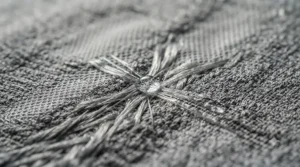
What makes this one different is the deliberate design choice to be soaked before a ride. REV’IT built the Freeze around a proprietary fabric that actively pulls heat away from the skin through evaporation once it’s damp, and the effect is measurable for roughly 30 to 60 minutes after you douse it under a tap or splash it with a water bottle. Beyond the wet-activation gimmick, the base fabric still performs as a conventional moisture-wicking layer once fully dry, so you’re not stuck with a useless shirt once the cooling window closes. Based on the spec comparison with standard wicking shirts, the honest takeaway is that this is a tool for a specific scenario — slow urban commutes, static periods at rallies, or parking-lot waits in extreme heat — rather than an all-day highway solution, since wind exposure at speed dries the fabric faster and shortens the cooling window. Riders who’ve used evaporative cooling shirts in this category note the tradeoff clearly: it’s fantastic for the first stretch after activation and reverts to “good, not amazing” wicking performance afterward.
Pros:
- ✅ Genuine measurable cooling effect when pre-soaked
- ✅ Functions as a standard wicking shirt once dry
- ✅ Excellent for slow urban riding and hot parking lots
Cons:
- ❌ Cooling benefit fades faster at highway speed
- ❌ Requires water access before each activation
Price typically lands around C$120-C$150, positioning it as a specialty purchase best suited to riders who genuinely deal with stop-and-go city heat rather than open-highway touring.
3. Dainese D-Core Dry Thermo — dual-layer versatility across seasons
The clever engineering move here is a dual-layer knit that pairs a moisture-wicking inner surface against your skin with a heat-trapping outer structure, which sounds contradictory until you realize the goal is temperature regulation rather than pure cooling or pure warmth. That construction is what lets this shirt work across a genuinely wide temperature range — testers who wore it from summer afternoon rides through near-freezing winter commutes reported it held up as a reasonable middle-ground option in both extremes, rather than excelling narrowly at one. What most buyers overlook about a dual-layer design like this is that it reduces the number of base layers you need to own; instead of a dedicated summer shirt and a dedicated winter thermal, one D-Core Dry Thermo can plausibly cover three seasons of Canadian riding with a mid-layer added for deep winter. It’s a strong pick for riders who don’t want a drawer full of specialized shirts and would rather buy one well-engineered piece.
Pros:
- ✅ Genuinely functional across a wide temperature range
- ✅ Reduces the need for separate summer and winter shirts
- ✅ Dainese build quality and stitching reputation
Cons:
- ❌ Not as dedicated-cool as pure summer options in peak heat
- ❌ Sits at a premium price point for a “generalist” shirt
Expect a price range around C$110-C$140, which is reasonable value if you’re consolidating your base layer wardrobe into fewer, better pieces rather than buying season-specific shirts.
4. Alpinestars Ride Tech Summer Long Sleeve Top — moto-tested venting for touring
Now on its second generation, this shirt has been specifically refined for staying cool and comfortable under riding gear in hot weather, and the perforated mesh panelling reflects lessons learned from the first version. The long-sleeve cut is deliberate — full arm coverage means the wicking fabric is doing its job across the entire surface area that touches your jacket’s arm liner, not just your torso, which matters on long touring days where sweat accumulation in the forearms becomes its own kind of miserable. Riding journalists who’ve worn this shirt over multiple riding seasons describe it consistently as comfortable under a range of jacket types, from mesh summer jackets to heavier adventure-touring suits, with sizing that runs true and a fit snug enough to wick effectively without feeling like a compression garment. For riders doing multi-day touring in July and August heat, this is arguably the most road-tested option on this list simply because of how long it’s been in circulation and reviewed by working motorcycle journalists rather than short-term product testers.
Pros:
- ✅ Long-term rider testing across multiple riding seasons
- ✅ Full-arm mesh venting reduces forearm sweat buildup
- ✅ Comfortable under both mesh and adventure-touring jackets
Cons:
- ❌ Less aggressive cooling tech than dedicated Coolcore-style shirts
- ❌ Long-sleeve-only design limits summer versatility for some riders
Priced around C$85-C$105, it sits in the sweet spot between motorcycle-specific engineering and accessible mid-range pricing, making it a strong default pick for touring riders.
5. Under Armour HeatGear Compression Long-Sleeve — athletic crossover value
This one isn’t built for motorcycles specifically, and that’s actually the point worth understanding. HeatGear Armour is Under Armour’s original performance base layer, designed as the layer you put on first and take off last during athletic activity, with mesh underarm and back panels for targeted ventilation and a compression fit that stays snug without restricting movement. Riders who cross over from running or gym training into motorcycling often already own one of these, and the honest analysis is that the wicking performance genuinely transfers well to riding use — sweat management doesn’t care whether you’re on a treadmill or a highway. What the spec sheet won’t tell you, but rider crossover use suggests, is that the compression fit works especially well under tight-fitting race suits or track leathers where a looser motorcycle-branded shirt might bunch. The tradeoff is the total absence of moto-specific reinforcement, like seam placement designed around armour pockets, so this is more of a “good enough and genuinely affordable” pick than a specialist choice.
Pros:
- ✅ Mesh underarm and back panels for real ventilation
- ✅ Compression fit works well under tight leathers or race suits
- ✅ Widely available and consistently affordable
Cons:
- ❌ No motorcycle-specific seam or armour considerations
- ❌ Compression fit isn’t for riders who prefer a looser base layer
At roughly C$45-C$60, this is one of the best value entries on the list, and a sensible starting point if you’re not ready to commit to motorcycle-branded pricing yet.
6. Icebreaker Merino 150 Ultralite — natural anti-odor performance
The case for this one is entirely about fibre chemistry. Merino wool is a naturally renewable fibre that regulates body temperature in both hot and cold conditions while genuinely resisting odour buildup — not through an antimicrobial spray treatment that washes out over time, but because of the wool fibre’s inherent structure. That’s a meaningful distinction for anyone doing multi-day tours where laundry access is unpredictable; a synthetic shirt worn three days straight tends to announce itself, while merino wool tends to stay wearable noticeably longer between washes. Reviewers of Icebreaker’s base layer lineup consistently note the odour-resistance as the standout feature, alongside a softness against the skin that synthetic wicking fabrics don’t quite replicate. Based on the fibre comparison, the honest tradeoff is that merino wool wicks moisture more slowly than engineered synthetics — it absorbs and releases moisture rather than instantly channelling it to the surface — so on the most brutally hot, high-exertion rides, a synthetic option may still feel drier faster.
Pros:
- ✅ Genuinely superior odour resistance for multi-day tours
- ✅ Soft against skin, less prone to chafing than stiff synthetics
- ✅ Naturally regulates temperature in both heat and cold
Cons:
- ❌ Wicks moisture more slowly than top synthetic competitors
- ❌ More delicate care requirements than machine-tough synthetics
Expect to pay around C$95-C$120, and consider it an investment pick for touring riders who value fewer wardrobe changes over raw wicking speed.
7. TSLA Cool Dry Compression Long Sleeve — budget entry point
Not every rider needs to spend three figures to find out whether a wicking base layer actually changes their riding comfort, and that’s where this one earns its spot. It’s a straightforward polyester-spandex compression shirt with UPF 50+ sun protection and quick-dry performance claims, sold at a price point low enough that trying it doesn’t feel like a real financial commitment. Reviewers of budget compression athletic wear in this category tend to describe performance as “solidly functional” rather than exceptional — it wicks, it dries reasonably fast, and the compression fit holds its shape through repeated washing, without the refined fabric engineering of the premium options above. Here’s what to weigh: if you’re not sure a base layer is even worth adding to your riding routine, this is the low-risk way to find out before committing to a C$100-plus purchase. It won’t out-perform the KLIM or REV’IT options in extreme heat, but for a rider doing a 30-minute daily commute, the difference may not be noticeable enough to justify the price gap.
Pros:
- ✅ Extremely accessible price point for first-time buyers
- ✅ UPF 50+ sun protection built into the fabric
- ✅ Holds compression shape through repeated washing
Cons:
- ❌ Noticeably less refined wicking than premium moto-specific shirts
- ❌ No motorcycle-specific seam or armour considerations
Sitting around C$25-C$35, it’s the easiest possible entry point into moisture-wicking gear, and a genuinely reasonable first purchase before upgrading.
How to Break In, Wash, and Maintain Your Base Layer for Peak Wicking Performance
A moisture wicking base layer for motorcycle riding isn’t a “buy it and forget it” purchase — how you wash it directly affects whether it keeps working. Fabric softener is the single biggest performance killer here: it coats synthetic fibres in a waxy residue that blocks the capillary action responsible for wicking in the first place, so skip it entirely, even though the instinct to make a base layer feel softer makes sense. Wash in cold or lukewarm water with a mild detergent, and if you can, use a sports-specific detergent formulated without fabric-softening agents. For the first 30 days of ownership, resist the urge to over-wash a synthetic shirt after every single ride; most performance fabrics are designed to be wearable across two or three moderate rides before needing a wash, and excessive laundering actually accelerates fibre breakdown. Merino wool shirts like the Icebreaker Merino 150 Ultralite are the exception — they genuinely can go several days of riding between washes thanks to the fibre’s natural odour resistance, and over-washing wool shortens its lifespan faster than any synthetic. Air-dry when possible rather than using high heat in a dryer, since heat can degrade the elastane content responsible for compression fit and stretch recovery over time.
Real Riders, Real Conditions: Matching a Base Layer to Your Ride
Picture a daily commuter riding 15 kilometres each way through summer traffic in Toronto or Calgary — stop-and-go, minimal airflow, 25 to 30 minutes each direction in full gear. For that rider, something like the REV’IT! Freeze Cooling Shirt or the budget-friendly Under Armour HeatGear Compression LS makes practical sense, since the ride is short enough that raw wicking speed matters less than immediate cooling relief or simple affordable functionality. Now picture a long-distance tourer doing 400-plus kilometres a day across a multi-week trip through the Rockies or the Maritimes, camping some nights and staying in hotels others — for that rider, the Icebreaker Merino 150 Ultralite‘s odour resistance becomes genuinely valuable when laundry access is unpredictable, and the Dainese D-Core Dry Thermo‘s cross-seasonal versatility means fewer shirts packed into already-limited luggage space. Finally, consider a track-day enthusiast spending six hours in full leathers under a hot sun with intense physical exertion between sessions — that’s exactly the scenario the KLIM Aggressor Cool -1.0 was engineered for, where sustained, degradation-resistant cooling performance under heavy sweat output separates it from more casual options. Matching the shirt to the actual riding pattern, not just the marketing copy, is the difference between a base layer that earns its price and one that sits in a drawer.
Solving the Most Common Base Layer Headaches
Chafing under the jacket collar or where armour meets skin is one of the most frequent complaints among riders new to base layers, and it’s almost always a fit problem rather than a fabric problem — an anti-chafe base layer needs to be snug enough to stay in place without bunching, since loose fabric bunching under a jacket seam is what actually causes friction sores on long rides. The fix is sizing down slightly from your normal T-shirt size and looking for flatlock seam construction, which several shirts on this list specifically use to keep stitching away from pressure points. A second common problem is persistent sweat odour that survives a wash, which usually points to fabric softener buildup blocking the fibres or a synthetic shirt that’s simply reached the end of its antimicrobial treatment lifespan — switching to a wool option or stripping synthetic shirts with a vinegar rinse periodically can restore performance. Third, riders sometimes report feeling just as hot in a “moisture wicking” shirt as they did in cotton, which typically traces back to buying a cotton-poly blend marketed loosely as “performance” rather than a genuinely engineered wicking fabric — checking the material composition on the tag before buying avoids this trap entirely. Finally, static cling and clamminess in cold weather usually means the shirt lacks the heat-trapping layer needed for winter use, which is exactly the gap a dual-purpose shirt like the Dainese D-Core Dry Thermo is designed to close.
How to Choose a Moisture Wicking Base Layer for Motorcycle Riding
- Match the fabric to your climate pattern. Synthetic polyester blends wick fastest in extreme heat, while merino wool holds an edge for multi-day trips where odour control outweighs raw wicking speed.
- Check the seam construction. Flatlock or “imperceptible” seams matter more than most buyers expect, since standard seams are exactly where armour pressure creates chafing over a long ride.
- Consider compression versus regular fit. Compression styles work well under tight race leathers, while a regular athletic fit is often more comfortable under looser adventure or touring gear.
- Think about your washing routine. If you can’t wash gear daily on a trip, prioritize odour-resistant options like merino wool over synthetics that need more frequent laundering.
- Factor in sleeve length and coverage. Long sleeves protect more surface area from jacket-liner friction and extend wicking benefits to your forearms, which matters most on longer rides.
- Weigh price against riding frequency. A rider commuting daily gets more cumulative value from a premium shirt than someone who rides recreationally a few weekends a season.
- Verify it layers correctly under your specific gear. A shirt that’s excellent on its own can still bunch or ride up under a particular jacket’s armour pockets, so check fit under your actual gear when possible.
Common Mistakes When Buying a Breathable Base Layer for Motorcycle Riding
The most frequent mistake is assuming any “athletic” or “performance” label automatically means genuine moisture-wicking engineering — plenty of budget activewear uses the marketing language without the fabric science to back it up, so checking the actual material composition matters more than the word “performance” printed on the tag. A second common error is buying based on winter thermal reviews when shopping for a summer breathable base layer motorcycle riders actually need, since a shirt praised for heat retention in cold-weather reviews is often the opposite of what a hot-weather rider wants. Riders also frequently oversize their base layer thinking it’ll be more comfortable, when in reality a properly wicking fabric needs skin contact to function — too loose, and the fabric can’t effectively pull moisture away from the body, undermining the entire point of the purchase. Finally, ignoring return policies is a costly mistake given that fit varies significantly between brands; a shirt that fits true-to-size at one company can run noticeably smaller or larger at another, and testing fit under your actual riding gear before the return window closes avoids an expensive miscalculation.
Moisture Wicking Base Layers vs Cotton T-Shirts
| Factor | Moisture Wicking Base Layer | Cotton T-Shirt |
|---|---|---|
| Sweat handling | Pulls moisture to surface for fast evaporation | Absorbs and retains moisture against skin |
| Weight when wet | Stays lightweight, dries quickly | Gets heavy and stays damp for hours |
| Chafing risk | Lower, with flatlock seam options available | Higher, especially with wet fabric friction |
| Odour buildup | Slower with synthetics, minimal with merino | Faster, cotton traps bacteria in damp fibres |
| Best For | All-day rides, hot weather, long tours | Casual short rides where cost is the priority |
The core difference comes down to how each fabric handles moisture at a structural level. According to this explanation of moisture management in textiles, wicking fabric transfers sweat away from the skin through capillary action and spreads it across a large surface area so it dries quickly, rather than absorbing and holding onto the water the way non-wicking fabric does. In practical terms, this is why a cotton T-shirt under riding gear turns into a cold, clammy weight by hour two, while a proper wicking shirt keeps working the whole ride. Cotton isn’t a bad fabric generally, but under motorcycle gear specifically — where airflow is already restricted by jacket panels and armour — it’s arguably one of the worst choices available, and the C$25-C$35 entry price of a budget wicking shirt like the TSLA option makes the switch an easy one to justify financially.
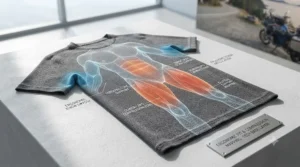
What to Expect: Real-World Performance in Hot Weather Riding
On paper, wicking fabric specs sound abstract — capillary action, surface area, evaporation rates. In practice, on an actual ride, the difference shows up as a specific, recognizable feeling: instead of that cotton-shirt sensation of a wet, heavy fabric sticking to your back after twenty minutes, a genuine sweat wicking shirt for riders summer conditions demand stays noticeably lighter and drier-feeling even as you’re actively perspiring. Riders switching from cotton to a proper base layer for the first time consistently describe the same “why didn’t I do this sooner” reaction after one hot ride, particularly at highway speeds where airflow through jacket vents accelerates the evaporation process the fabric is designed to support. That said, expectations matter here — even the best wicking shirt won’t make you feel cool in 35°C heat while wearing full armoured gear; what it does is delay and reduce the discomfort curve, buying you noticeably more comfortable riding time before you need a break. This isn’t just comfort talk, either — federal guidance on thermal stress in the workplace treats sustained heat exposure as a genuine physical hazard, and hours of highway riding in full armoured gear under a summer sun isn’t so different from a hot outdoor shift. On multi-hour rides, that difference compounds: less sweat accumulation means less chafing, which means fewer uncomfortable adjustments at every stop, which adds up to meaningfully less fatigue by the time you reach your destination.
Anti-Odor Moisture Wicking Riding Shirts: Why Fabric Choice Matters
Odour control and moisture wicking are related but distinct properties, and understanding the difference helps explain why some shirts perform better here than others. Synthetic wicking fabrics move sweat away from skin efficiently, but the bacteria responsible for odour can still thrive in the fabric itself unless it’s been treated with an antimicrobial finish — and those finishes typically degrade with repeated washing, which is exactly why a two-year-old synthetic base layer often smells worse than a brand-new one even after washing. Merino wool takes a fundamentally different approach: its natural fibre structure resists bacterial growth without any added chemical treatment, which is why an anti-odor moisture wicking riding shirt built from wool, like the Icebreaker Merino 150 Ultralite, tends to outperform synthetics on multi-day trips specifically. The practical takeaway for buyers is to match the priority to the use case — a rider doing single-day rides with laundry access every night gets less benefit from wool’s odour resistance and might prefer a synthetic’s faster wicking speed, while a rider on a week-long tour with unpredictable laundry access will notice the wool advantage by day three.
Moisture Management Shirt Motorcycle: Fabric Technologies Explained
Not all moisture management shirt motorcycle options use the same underlying mechanism, and knowing the difference helps you read product descriptions more critically. Standard capillary wicking, used by most synthetic shirts on this list, relies on the fabric’s woven or knitted structure to physically pull liquid sweat along fibre channels toward the outer surface, where it evaporates. Vapour transmission is a related but separate mechanism, relying on a fabric’s open weave and non-absorbing fibres to let moisture vapour pass through without needing to physically wick liquid sweat first. Then there’s active cooling technology, like what KLIM’s Aggressor Cool line and REV’IT’s Freeze shirt use, which goes a step further by engineering the fabric to accelerate evaporative cooling specifically, rather than just managing moisture passively. Understanding which mechanism a given shirt relies on helps set realistic expectations — a passive wicking shirt keeps you drier over time, while an active cooling shirt delivers a more immediate, noticeable temperature drop that fades as the fabric dries out.
Long-Term Cost & Maintenance of Riding Base Layers
Thinking in terms of cost-per-ride rather than sticker price changes the math considerably. A C$120 premium shirt worn twice weekly across a six-month riding season works out to roughly C$2.50 per ride, while a C$30 budget shirt that needs replacing after one season due to fabric breakdown may end up costing more per ride if it doesn’t last. Synthetic base layers generally hold up for one to three riding seasons of regular use before elastane degradation noticeably reduces compression and wicking performance, while a well-maintained merino wool shirt can last considerably longer if hand-washed and air-dried rather than machine-dried on high heat. Factor in that a single premium shirt replacing what might otherwise be two or three cheaper shirts also means less laundry, less packing space on tours, and fewer purchase decisions overall — a real, if less obvious, form of long-term value. For riders trying to decide where to spend on gear, a quality base layer arguably delivers more comfort-per-dollar than many outer-layer upgrades, simply because it’s doing constant work against your skin for the entire ride rather than sitting as a passive shell.
✨ Ready to upgrade your ride? Check current pricing on today’s top picks before your next long haul!

Frequently Asked Questions
❓ Does a moisture wicking base layer for motorcycle riding actually work in Canadian humidity?
❓ Can I wear a breathable base layer motorcycle shirt under winter riding gear too?
❓ How often should I wash an anti-odor moisture wicking riding shirt?
❓ Is a performance base layer hot weather riding shirt worth it for short commutes?
❓ What's the difference between a moisture management shirt motorcycle riders use versus regular athletic wear?
Conclusion
Choosing a moisture wicking base layer for motorcycle riding ultimately comes down to matching the fabric technology and fit to how, where, and how often you actually ride. There’s no single “best” pick across this list — the KLIM Aggressor Cool -1.0 and REV’IT! Freeze Cooling Shirt earn their premium pricing for riders facing genuinely extreme heat or track-day intensity, the Dainese D-Core Dry Thermo and Alpinestars Ride Tech Summer Long Sleeve Top offer strong middle-ground value for regular touring riders, the Icebreaker Merino 150 Ultralite solves a specific multi-day odour problem that synthetics can’t quite match, and the Under Armour HeatGear Compression LS and TSLA Cool Dry Compression LS prove that meaningful comfort improvements don’t require motorcycle-branded pricing. What matters most is moving away from cotton entirely once you understand how much of your riding discomfort was never actually about your jacket or your route, but about a T-shirt doing a job it was never built for. Whichever option fits your riding pattern and budget, the upgrade tends to pay for itself in comfort by the very next hot ride.
✨ Don’t Miss These Exclusive Deals!
🔍 Take your riding comfort to the next level with these carefully selected base layers. Click on any highlighted item to check current pricing and availability on amazon.ca. These picks will help you stay cool, dry, and chafe-free on every ride this season!
Recommended for You
- How to Choose a Synthetic Thermal Base Layer (2026): 7 Top Picks
- 7 Best Synthetic Thermal Base Layers for Motorcycle Riding in 2026
- Merino Wool vs Synthetic Base Layer Motorcycle: 7 Picks for 2026
Disclaimer: This article contains affiliate links. As an Amazon Associate, I earn from qualifying purchases. If you purchase products through these links, we may earn a small commission at no additional cost to you.
✨ Found this helpful? Share it with your friends! 💬🤗
