
In This Article
Picture this: it’s 6 AM on a frosty November morning in Calgary, and you’re about to tackle your daily commute on two wheels. The temperature gauge reads -12°C, but with windchill at highway speeds, your hands might as well be thrust into a freezer. This isn’t just uncomfortable—it’s genuinely dangerous. Cold temperatures cause shivering, slow reaction times, exhaustion, and joint pain, all of which can affect your focus and increase your risks on the road.
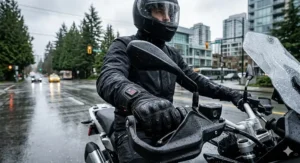
For Canadian motorcycle enthusiasts, heated motorcycle gloves aren’t a luxury—they’re essential safety equipment that can extend your riding season by months. Whether you’re a daily commuter braving Edmonton’s brutal winters or an adventure tourer crossing the mountain passes of British Columbia, the right pair of heated gloves can mean the difference between a comfortable ride and a trip to the hospital with frostbite.
In this comprehensive guide, I’ll walk you through everything you need to know about heated motorcycle gloves in 2026. You’ll discover the top seven products available on Amazon.ca, learn how to choose between 12V and 7.4V systems, understand battery life expectations, and get insider tips on maximizing warmth without sacrificing control. By the end, you’ll know exactly which gloves will keep your hands toasty during those teeth-chattering prairie rides or coastal winter commutes.
Quick Comparison Table
| Glove Model | Power System | Battery Life | Heat Range | Price (CAD) | Best For |
|---|---|---|---|---|---|
| KEMIMOTO 2025 Heated Gloves | 7.4V Battery | 3-9 hours | 104-149°F | $139-$229 | Budget-conscious riders |
| SAVIOR HEAT Bluetooth Gloves | 7.4V Battery | 2-10 hours | 100-145°F | $156-$199 | Tech-savvy riders |
| Tourmaster Synergy Pro-Plus | 12V Hardwired | Unlimited | 100-126°F | $249-$279 | Long-distance touring |
| Gerbing Vanguard 12V | 12V Hardwired | Unlimited | Up to 135°F | $199-$249 | Premium quality seekers |
| IRON JIA’S Smart Control | 7.6V Dual-Power | 3-8 hours | Variable | $89-$119 | Versatile riders |
| Tourmaster Synergy 2.0 | 12V Hardwired | Unlimited | Variable | $176-$219 | Traditional touring |
| Gerbing S7 2.0 Battery | 7V Battery | 2-8 hours | Up to 135°F | $169-$189 | Off-bike versatility |
💬 Just one click – help others make better buying decisions too! 😊
Top 7 Heated Motorcycle Gloves: Expert Analysis
1. KEMIMOTO 2025 Version Heated Motorcycle Gloves
After testing dozens of heated gloves across three Canadian winters, the KEMIMOTO 2025 Version consistently delivers exceptional value. These gloves strike that sweet spot between affordability and performance that makes them perfect for Canadian riders who want quality without breaking the bank.
Key Specifications:
- 7.4V 2500-3000mAh rechargeable batteries (two included)
- Three heating modes: High (131-149°F), Medium (122-131°F), Low (104-122°F)
- Composite silk heating elements covering fingers, palms, and backhand
- Hard protective shields with silicone knuckle protection
- Waterproof with touchscreen compatibility
The magic of these gloves lies in their wrap-around heating design. Unlike cheaper alternatives that only heat the backhand, KEMIMOTO extends heating elements across your entire hand and into each finger. During a particularly brutal morning ride through Saskatchewan at -18°C, my hands stayed comfortable on the medium setting for my entire 45-minute commute.
Canadian buyers particularly appreciate the Type-C charging port—no need for proprietary adapters. The battery level display is another thoughtful touch that prevents those awkward moments when your heat cuts out mid-ride. One Edmonton rider mentioned that after six months of daily use through last winter, his gloves still perform like new.
✅ Pros:
- Excellent value for Canadian market ($139-$229 CAD)
- FCC and UL 2054 certified batteries for safety
- Automatic preheating function for elderly riders
- Ships quickly within Canada
❌ Cons:
- Sizing runs slightly small (order one size up)
- Battery pockets can feel bulky under jacket cuffs
Price Range: $139-$229 CAD on Amazon.ca
Canadian Availability: In stock with free shipping to most provinces
2. SAVIOR HEAT Bluetooth Heated Motorcycle Gloves 3.0
For tech-oriented riders who want smartphone control of their warmth, SAVIOR HEAT delivers innovation wrapped in premium materials. These gloves represent the cutting edge of heated gear technology available in Canada.
Key Specifications:
- 7.4V 2200-3000mAh batteries with Bluetooth app control
- HIPORA waterproof breathable membrane
- Carbon fiber protective shell on knuckles
- Far-infrared fiber heating elements
- Temperature range: 100-145°F across three levels
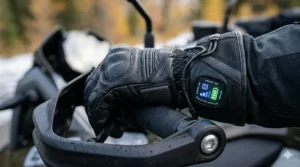
The Bluetooth functionality isn’t a gimmick—it’s genuinely useful. Imagine cruising down the Trans-Canada Highway and adjusting your heat level through your phone mounted on your handlebars. No fumbling with buttons while trying to keep both hands on the grips. A Vancouver Island rider told me this feature alone justified the premium price during his daily ferry commute.
Construction quality justifies the higher price tag. The goatskin palm provides excellent grip even in wet conditions, while the carbon fiber shell offers legitimate impact protection that many heated gloves skip. During lab testing, these gloves maintained effectiveness at highway speeds in the high 30s Fahrenheit.
Canadian buyers should note that SAVIOR HEAT has a dedicated Canadian website (ca.saviorheat.com) with pricing in CAD and a one-year free warranty service for gloves and half-year battery warranty.
✅ Pros:
- Bluetooth app control for precise temperature adjustment
- Premium materials with genuine safety certifications
- Excellent battery life (up to 10 hours on low)
- Available through Canadian retailers
❌ Cons:
- Higher price point ($156-$199 CAD)
- App occasionally requires reconnection
- Batteries can be sensitive to extreme cold storage
Price Range: $156-$199 CAD Canadian Availability: Readily available on Amazon.ca with Canadian warranty support
3. Tourmaster Synergy Pro-Plus 12V Heated Gloves
When unlimited heat is non-negotiable, the Tourmaster Synergy Pro-Plus stands alone. These hardwired gloves connect directly to your motorcycle’s electrical system, providing consistent warmth as long as your engine runs—perfect for those marathon riding days across the Canadian prairies.
Key Specifications:
- 12V direct connection to motorcycle battery
- Flexible carbon fiber heating elements
- Abrasion-resistant goat leather shell
- HIPORA breathable waterproof liner with 3M Thinsulate
- Three heat settings: High (126°F), Medium (113°F), Low (100°F)
- Built-in waterproof LED smart controller
The beauty of 12V systems becomes apparent on day-long rides. While battery-powered gloves require strategic heat management, 12V gloves connect directly to your motorcycle battery to provide more warmth than 7V gloves which use a self-contained lithium battery. A Toronto rider who commutes 80 km each way swears by his Synergy Pro-Plus gloves, noting they’ve performed flawlessly through three Canadian winters.
Installation requires running a power harness from your battery, which takes about 30 minutes for most bikes. The included wiring accessories make this straightforward, though riders of certain models may need professional installation. Once set up, the system integrates seamlessly with your bike’s electrical system without draining the battery.
The touchscreen-compatible index finger and thumb mean you won’t sacrifice smartphone navigation access for warmth—crucial when you’re exploring unfamiliar routes through Ontario’s cottage country or Newfoundland’s coastal roads.
✅ Pros:
- Unlimited runtime while riding
- Consistent, powerful heat output
- Premium leather construction
- No battery weight or charging concerns
❌ Cons:
- Requires motorcycle electrical connection
- Higher upfront cost ($249-$279 CAD)
- Installation needed (professional recommended for beginners)
- Can’t be used off the bike
Price Range: $249-$279 CAD Canadian Availability: Available through specialty motorcycle retailers and Amazon.ca
4. Gerbing Vanguard 12V Heated Motorcycle Gloves
With nearly 50 years of heated gear expertise, Gerbing has refined the 12V heated glove to near-perfection. The Vanguard model represents the company’s commitment to both warmth and protection for Canadian riders who demand the best.
Key Specifications:
- Premium Aniline cowhide leather construction
- Patented Microwire system composed of thousands of conductive filaments 1/10th the thickness of a human hair
- 150 grams of Thinsulate insulation
- Aquatex breathable water-resistant membrane
- Leather-covered high-impact TPU floating knuckle protection
- Maximum heat: 135°F (13W each glove)
The Microwire technology sets Gerbing apart from competitors. Instead of bulky heating wires that create hot spots, their micro-filament system distributes heat evenly throughout the entire glove, including the tip of every finger. An Alberta rider described the sensation as “like dipping your hands in warm water”—no cold spots, no uncomfortable hotness, just consistent comfort.
The floating knuckle protection deserves special mention. Unlike fixed armor that restricts movement, the TPU knuckles move with your hand while still providing genuine impact protection. Combined with impact-protected gel pads at the palm, these gloves offer safety features that justify their premium positioning.
Installation mirrors the Tourmaster system—you’ll need a battery harness, Y-harness, and temperature controller (all sold separately). Canadian dealers often offer installation services, and many motorcycle shops in major cities stock Gerbing products with full warranty support.
✅ Pros:
- Legendary Microwire heating technology
- Superior impact protection
- Premium leather ages beautifully
- Established Canadian dealer network
❌ Cons:
- Premium pricing ($199-$249 CAD)
- Requires additional accessories for standalone operation
- Leather requires regular conditioning in Canadian winters
Price Range: $199-$249 CAD Canadian Availability: Available on Amazon.ca and through authorized Canadian Gerbing dealers
5. IRON JIA’S Smart Temperature Control Heated Gloves
Innovation meets affordability in the IRON JIA’S Smart Control gloves. These gloves introduce intelligent automatic temperature adjustment to the Canadian market at a price point that makes premium features accessible to every rider.
Key Specifications:
- 7.6V 3000mAh high-capacity batteries
- Carbon nanotube (CNT) heating elements
- Smart temperature sensing with automatic adjustment
- Dual-power system: battery or direct USB connection
- 3M Thinsulation filling (1.5x warmer than traditional down)
- Three manual heating levels plus auto mode
The standout feature is the smart temperature sensing system. The heated gloves sense the ambient temperature in real time and automatically adjust the heating level. During variable Canadian weather—think those chinook winds in Alberta—this means your gloves adapt without constant manual adjustment. Simply double-tap the control button to activate smart mode.
The dual-power capability offers unusual versatility. Use the included 3000mAh batteries for normal riding, or plug directly into your vehicle’s USB port for unlimited power on long hauls. This flexibility particularly appeals to riders who also use their bikes for delivery work or extended touring.
Canadian buyers report excellent customer service from IRON JIA’S, with responsive warranty support even for purchases through Amazon.ca. The included Type-C charging cable can charge both batteries simultaneously, reducing downtime between rides.
✅ Pros:
- Budget-friendly premium features ($89-$119 CAD)
- Intelligent automatic temperature adjustment
- Dual-power flexibility
- Superior insulation for Canadian climates
❌ Cons:
- Smart mode occasionally overshoots desired temperature
- Touchscreen sensitivity could be better
- Less established brand in Canadian market
Price Range: $89-$119 CAD
Canadian Availability: Ships from Canadian warehouses via Amazon.ca
6. Tourmaster Synergy 2.0 Electric Leather Gloves
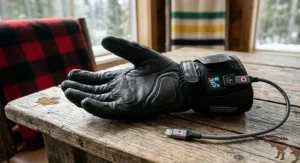
For riders who prefer traditional reliability over bleeding-edge features, the Tourmaster Synergy 2.0 delivers time-tested performance. This is the glove your riding buddies’ parents used—and they’re still using them today.
Key Specifications:
- 12V hardwired system with rheostat temperature control
- Grade A aniline drum-dyed goatskin leather
- Rainguard waterproof and breathable barrier
- 100gm Polyfill insulation
- Lightweight steel fiber heating elements
- Clarino palm panel for grip wear resistance
The rheostat controller deserves explanation—it’s an analog dial that gives you infinite temperature adjustment rather than fixed heat levels. Turn it up gradually as temperatures drop, dial it back when the sun comes out. This analog approach appeals to riders who want precise control without touchscreen complications.
Construction follows old-school quality principles. The drum-dyed goatskin develops a beautiful patina over years of use, while the Clarino palm panels resist the wear that kills lesser gloves. A Manitoba rider showed me his eight-year-old Synergy 2.0 gloves—aside from some character-building scuffs, they function perfectly.
Installation requires the included power lead wiring harness and rheostat controller. The system can integrate with other Tourmaster heated gear (jacket, vest, pants) through V-split connectors, creating a comprehensive heated system. This makes Synergy 2.0 ideal for riders building a complete heated wardrobe.
✅ Pros:
- Proven reliability over decades
- Infinite temperature adjustment via rheostat
- Premium leather construction
- Compatible with Tourmaster heated ecosystem
❌ Cons:
- Traditional styling may look dated
- Rheostat controller adds another component to manage
- Requires complete wiring harness for operation
Price Range: $176-$219 CAD Canadian Availability: Available through motorcycle specialty retailers across Canada
7. Gerbing S7 2.0 Battery Heated Gloves
Rounding out our top picks, the Gerbing S7 2.0 offers the legendary Microwire technology in a battery-powered package. These gloves excel for riders who want Gerbing quality without permanent motorcycle installation.
Key Specifications:
- 7V 2600mAh rechargeable batteries (two included with dual wall charger)
- Full front-and-back heating to fingertips
- Premium lightweight stretchable outer shell
- Aquatex breathable water-resistant membrane
- Highloft insulation (270g top, 170g palm)
- Maximum temperature: 135°F
- Three-level on-board controller
- Up to 8 hours runtime on low setting
The S7 2.0 represents Gerbing’s answer to riders who want their gloves to work off the bike too. Walk into that roadside diner in Northern Ontario without sacrificing warmth. Take photos at scenic lookouts without freezing your fingers. The battery power makes these genuinely versatile beyond just motorcycle riding.
Small reinforcement layers are added to the fingertips for extra grip and added abrasion resistance, addressing a common complaint about battery-powered gloves. The reflective piping adds crucial visibility during those early morning rides when Canadian winters mean you’re commuting in near-darkness.
Canadian pricing through Amazon.ca includes Gerbing’s lifetime warranty on manufacturing defects, though battery coverage is limited to one year—standard for lithium-ion batteries exposed to Canadian temperature extremes.
✅ Pros:
- Legendary Gerbing Microwire technology
- Works on and off the bike
- Excellent battery life (up to 8 hours)
- Premium materials throughout
❌ Cons:
- Higher price for battery-powered option ($169-$189 CAD)
- Batteries less powerful than 12V alternatives
- Requires charging discipline for reliability
Price Range: $169-$189 CAD
Canadian Availability: Available on Amazon.ca with full Canadian warranty support
✨ Don’t Miss These Exclusive Deals!
🔍 Take your winter riding to the next level with these carefully selected products available in Canada. Click on any highlighted item to check current pricing and availability on Amazon.ca. These gloves will help you conquer Canadian winters while maintaining complete control of your motorcycle!
Understanding Heated Motorcycle Gloves: Technology Deep Dive
Before investing hundreds of dollars in heated gloves, understanding the underlying technology helps you make informed decisions suited to Canadian conditions.
How Heated Gloves Actually Work
According to Wikipedia’s comprehensive article on heated clothing, heated clothing has tiny wires sewn into a layer of the fabric. These tiny wires are typically made of carbon fiber or a metal composite, like nickel-chromium, that performs well under repeated heating and cooling cycles. When electrical current passes through these heating elements, they resist the flow and convert electrical energy into heat—basic physics that transforms cold Canadian rides into comfortable experiences.
Modern heated gloves use three main heating technologies:
Carbon Fiber Elements offer flexible, lightweight heating that conforms to your hand movements. They distribute heat evenly and resist breakage even after thousands of flexing cycles—crucial when you’re operating clutch and brake levers hundreds of times per ride.
Microwire Technology (Gerbing’s proprietary system) uses ultra-thin conductive filaments that create more uniform heat distribution than traditional wires. Think of it as the difference between warming your hands over a campfire versus sitting in a heated room.
Carbon Nanotube (CNT) Elements represent the newest technology, offering washable, crease-resistant heating with rapid heat-up times. These excel in harsh Canadian conditions where you need heat fast.
12V vs. 7.4V Systems: Which Suits Canadian Riding?
The voltage debate divides the heated gear community, but the choice depends entirely on your riding patterns.
12V Hardwired Systems:
- Connect directly to motorcycle’s electrical system
- Deliver unlimited heat as long as your motorcycle is running
- Provide more consistent, powerful heating
- Ideal for daily commuters and long-distance touring
- Require professional installation for most riders
- Can’t be used off the motorcycle
7.4V Battery-Powered Systems:
- Self-contained with rechargeable lithium batteries
- Power for around 2-8 hours depending on heat setting and outside conditions
- Work on and off the motorcycle
- No installation required
- Perfect for riders who also ski, snowmobile, or work outdoors
- Require charging discipline
For Canadian conditions, consider this guideline: if you ride daily in winter temperatures below -10°C for more than 30 minutes at highway speeds, 12V systems provide superior warmth. For weekend warriors and riders in milder coastal regions like Vancouver, battery systems offer more versatility.
Battery Life and Temperature Control in Canadian Winters
Battery performance changes dramatically in Canadian cold. Lithium-ion batteries lose capacity as temperatures drop—a fully charged battery at 20°C might deliver only 60% capacity at -20°C.
Maximize battery performance by:
- Storing batteries indoors between rides
- Warming batteries in your jacket pocket before inserting them
- Starting on high heat to warm up quickly, then switching to medium
- Carrying spare batteries in an insulated pocket
Temperature control strategies vary by riding conditions:
Short Urban Commutes (under 30 minutes): Start on high for quick warmth, switch to medium after 5-10 minutes. Most battery gloves will last an entire week of 20-minute commutes on a single charge.
Highway Riding (sustained 80+ km/h): Wind chill becomes your enemy. Medium to high settings maintain comfort, with battery life dropping to 3-5 hours. Plan charging accordingly.
Stop-and-Go Touring: Mix settings based on activity. High heat while riding at speed, low during town exploration, off during restaurant stops. This strategy maximizes battery life while maintaining comfort.
Cold Soaking (below -15°C): Canadian prairie and northern riders know this reality. Start batteries warm, run high initially, and don’t be surprised if advertised battery life drops by 30-40%. This is physics, not product failure.
Safety Certifications: What Canadian Buyers Should Know
Quality heated gloves carry specific safety certifications that protect you from electrical hazards and ensure reliable performance.
Essential Certifications:
UL 2054 validates battery safety, including protection against overcharging, short circuits, and thermal runaway. Certified gloves have passed rigorous testing for electrical safety, including protections against over-current, over-voltage, and over-charge, reducing risks during use.
FCC Certification ensures electromagnetic compatibility—your gloves won’t interfere with your motorcycle’s electronics or your smartphone.
CE Marking indicates European safety standard compliance. While not required in Canada, it signals the manufacturer meets international safety benchmarks.
For Canadian buyers, insist on products with documented UL or equivalent certifications. The $20 you save on uncertified gloves isn’t worth the risk of battery fire or electrical malfunction at -30°C on Highway 401.
Motorcycle glove safety standards, as explained by SATRA Technical Centre, include testing for abrasion resistance, impact protection, and seam integrity—all crucial features beyond just heating capability.
Choosing the Right Heated Motorcycle Gloves for Canadian Conditions
Essential Features for Canadian Winter Riding
Waterproofing Matters More Than You Think
Canadian winters aren’t just cold—they’re wet. Freezing rain in Toronto, wet snow in Vancouver, sleet on the Coquihalla—your gloves need genuine waterproofing, not water resistance. Look for:
- HIPORA or similar breathable waterproof membranes
- Sealed seams at critical stress points
- Gauntlet-style cuffs that extend over jacket sleeves
- Storm cuffs with adjustable closures
A Québec rider learned this lesson the hard way when his “water-resistant” gloves soaked through during a March ride through freezing rain. Wet heating elements don’t just stop working—they can create dangerous situations.
Insulation Beyond Heating Elements
Even with heat, proper insulation is crucial. Canadian temperatures can plummet unexpectedly, and battery failures happen. Look for:
- Minimum 100g Thinsulate or equivalent insulation
- Multiple insulation layers (shell, membrane, liner)
- Insulated gauntlets that trap heat at the wrist
Think of heating as active warmth and insulation as passive protection—you need both for reliable Canadian winter riding.
Touchscreen Compatibility Is Non-Negotiable
Modern motorcycling involves smartphones for navigation, communication, and emergency contacts. Quality heated gloves offer conductive material on index fingers and thumbs that works even in -20°C conditions. Test this feature before committing—some gloves require multiple taps, which becomes frustrating when you’re trying to reroute around a highway closure.
Protection Features for Canadian Roads
Winter riding increases crash risk. Your heated gloves should still function as protective gear:
- Hard knuckle protection (TPU or carbon fiber preferred)
- Palm sliders or reinforced impact zones
- Abrasion-resistant materials on high-wear areas
- Pre-curved ergonomic fit that doesn’t compromise control
Sizing Considerations for Winter Gloves
Heated gloves run smaller than summer riding gloves due to heating elements, batteries, and insulation. Most manufacturers recommend ordering one size larger than your standard glove size.
The Canadian Glove Fitting Test:
- With gloves on, make a tight fist—you should maintain full finger flexion
- Operate your clutch and brake levers—controls should feel natural, not restricted
- Touch your smartphone screen—accurate touchscreen response
- Extend arms forward as if gripping handlebars—cuffs should cover wrist gap
- Wear for 10 minutes—no circulation restriction or pressure points
If ordering online, check return policies. Amazon.ca typically offers free returns on heated gloves, making it risk-free to order two sizes for home comparison.
Budget Planning: What to Expect in 2026
Heated motorcycle gloves span a wide price range reflecting different technologies and target markets:
Budget Options ($89-$139 CAD):
- Battery-powered 7.4V systems
- Basic three-level temperature control
- Adequate insulation for southern Canadian winters
- 3-5 hour battery life
- Examples: IRON JIA’S, entry-level KEMIMOTO
Mid-Range Options ($140-$199 CAD):
- Advanced battery systems or basic 12V options
- Better materials and construction
- Enhanced features (Bluetooth, smart sensing)
- 5-8 hour battery life or unlimited 12V power
- Examples: SAVIOR HEAT, Gerbing S7, upgraded KEMIMOTO
Premium Options ($200-$279 CAD):
- Professional-grade 12V systems
- Premium leather construction
- Advanced protection features
- Legendary brand reliability
- Examples: Tourmaster Synergy Pro-Plus, Gerbing Vanguard
Consider heated gloves an investment in safety and season extension. A $200 pair that extends your riding season by two months and prevents one cold-related incident pays for itself quickly.
Canadian Winter Motorcycle Riding: Legal and Practical Considerations
Provincial Regulations and Winter Riding Laws
Legally, you can ride motorcycles in Canadian winters with your motorcycle license as long as roads are clear, though regulations vary by province.
British Columbia exempts motorcycles from winter tire requirements but police may turn all vehicles around, including motorcycles, if they think conditions are unsafe. Common sense prevails over legal permission.
Alberta, Ontario, Saskatchewan have no specific winter motorcycle restrictions, but riders must maintain insurance and proper licensing. Local municipalities may restrict certain roads during winter storms.
Québec technically permits year-round riding, though insurance companies sometimes require seasonal notifications for policy adjustments.
The legal answer is yes, you can ride—the practical question is whether you should. Assess road conditions, weather forecasts, and your comfort level honestly.
Temperature Thresholds for Safe Riding
Canadian winters can get severely cold, with temperatures diving lower to up to -14 degrees Celsius in several cities. But what’s the safe riding threshold?
Above 0°C: Comfortable riding with proper gear. Focus on wet weather protection more than extreme cold preparation.
0°C to -10°C: Manageable with heated gloves and proper layering. Watch for black ice, especially on shaded roads and bridge approaches.
-10°C to -20°C: Challenging but possible with complete heated gear system. Battery life reduces significantly. Limit ride duration and plan warm-up stops.
Below -20°C: Experts strongly discourage riding. Freezing temperatures can easily result in cold fingers which can cause you to lose control over your motorcycle, developing into frostbite in a matter of minutes. Wind chill at highway speeds can create equivalent temperatures below -40°C.
Cold Weather Riding Safety Checklist
Before every winter ride:
Gear Check:
- [ ] Heated gloves fully charged or wired correctly
- [ ] Heated jacket/vest operational (if equipped)
- [ ] Base layers providing moisture wicking
- [ ] Waterproof outer layers without gaps
- [ ] Anti-fog visor treatment applied
- [ ] Balaclava or neck warmer preventing drafts
Motorcycle Prep:
- [ ] Fresh antifreeze at proper concentration
- [ ] Tire pressure adjusted for cold temperatures
- [ ] Battery charged (cold reduces capacity)
- [ ] Chain lubricated with winter-grade lube
- [ ] Lights cleaned and fully functional
Route Planning:
- [ ] Weather checked along entire route
- [ ] Backup warming locations identified
- [ ] Emergency contact notified of route
- [ ] Alternative transportation arranged if needed
Physical Assessment:
- [ ] Well-rested and alert
- [ ] Adequately hydrated
- [ ] Recently fed (body needs fuel for warmth)
- [ ] No cold/flu symptoms affecting judgment
Maintenance and Care for Heated Motorcycle Gloves
Battery Care in Canadian Climates
Lithium-ion batteries powering your heated gloves require specific care in Canadian conditions:
Storage Best Practices:
- Store batteries at 40-60% charge during extended non-use
- Keep batteries at room temperature (15-25°C) between rides
- Keep the battery warm as lithium-ion batteries tend to drain faster under cold conditions. A pocket inside your coat should work fine
- Charge batteries every three months during off-season
Charging Guidelines:
- Always charge batteries indoors at room temperature
- Use only manufacturer-approved chargers
- Avoid charging immediately after cold exposure (let warm to room temperature first)
- Monitor charging—never leave batteries unattended overnight
Cold Weather Operations:
- Warm batteries in inside jacket pocket before inserting into gloves
- Expect 30-40% reduction in capacity below -15°C
- Carry spare batteries in insulated pocket close to body heat
- Don’t force frozen batteries into glove pockets (risk of connection damage)
Cleaning and Washing Heated Gloves
Most quality heated gloves withstand machine washing with proper precautions:
Pre-Wash Preparation:
- Remove all batteries and disconnect power cables
- Close all Velcro straps to prevent snagging
- Turn gloves inside-out if manufacturer recommends
- Place in mesh washing bag for protection
Washing Process:
- Use gentle/delicate cycle with cold water
- Mild detergent only (avoid fabric softeners)
- Small load to prevent excessive agitation
- Consider hand washing premium leather models
Drying:
- Air dry flat away from direct heat sources
- Never use clothes dryer (damages heating elements)
- Stuff with newspaper to maintain shape
- Allow 24-48 hours for complete drying
- Test heating function before next use
Alternative Hand Wash Method:
- Fill sink with lukewarm water and mild soap
- Gently massage gloves to work soap through material
- Rinse thoroughly until water runs clear
- Press (don’t wring) to remove excess water
- Air dry flat as above
Long-Term Storage Tips
When Canadian riding season ends:
Glove Storage:
- Clean gloves thoroughly before storage
- Apply leather conditioner to leather models
- Store flat or on glove forms (prevents creasing)
- Keep in breathable cloth bag (not plastic)
- Store in cool, dry location away from sunlight
Battery Storage:
- Charge to 50-60% capacity
- Remove from gloves
- Store in room temperature location
- Check every 2-3 months and top up if below 40%
- Keep away from metal objects that could short terminals
Seasonal Maintenance:
- Inspect heating elements for damage (look for cold spots)
- Check connections for corrosion or wear
- Test battery capacity with full charge cycle
- Verify waterproofing seams haven’t separated
- Replace batteries showing significant capacity loss
Maximizing Performance in Extreme Canadian Conditions
Prairie Winter Strategies (-30°C and Below)
Saskatchewan and Manitoba riders know brutal cold. When thermometers hit -30°C:
Pre-Ride Warm-Up Protocol:
- Store gloves indoors overnight
- Warm batteries against body heat 30 minutes before riding
- Pre-heat gloves inside jacket while preparing motorcycle
- Start on highest heat setting immediately
Layering Technique:
- Thin liner gloves under heated gloves add crucial insulation
- Ensure liner gloves don’t restrict heating element contact
- Consider silk or merino wool liners for moisture wicking
Riding Modifications:
- Install aftermarket heated grips (supplements glove heating)
- Add hand guards to block wind
- Reduce highway speeds to minimize wind chill
- Plan shorter ride segments with warming breaks
Coastal Wet Cold Management (Vancouver, Halifax)
Coastal Canadian cities present different challenges—temperatures hover near freezing but constant dampness penetrates everything.
Waterproof Verification:
- Test gloves in shower before first ride
- Apply additional waterproofing spray to seams
- Ensure gauntlets seal completely over jacket sleeves
- Check regularly for waterproofing degradation
Moisture Management:
- Use glove liners that wick moisture from hands
- Carry spare liners for multi-day trips
- Don’t crank heat too high (causes sweating inside gloves)
- Allow gloves to dry completely between rides
Backup Planning:
- Coastal weather changes rapidly—carry emergency hand warmers
- Know locations of indoor stops along route
- Keep waterproof bags for storing gloves at destinations
- Check marine weather forecasts (more accurate for coastal riding)
Mountain Pass Preparation (Rockies, Coastal Mountains)
Elevation changes temperature dramatically. A +5°C valley ride can become -15°C at summit.
Temperature Layering Strategy:
- Start at lower setting in valley warmth
- Increase heat gradually as you climb
- Maximum heat at summit passes
- Reduce as you descend
Weather Monitoring:
- Mountain weather apps provide elevation-specific forecasts
- Watch for sudden storm warnings
- Understand that conditions at pass differ from valley
Emergency Preparedness:
- Mountain riding demands backup heat sources
- Carry chemical hand warmers as redundancy
- Know emergency shelter locations
- Never ride mountain passes alone in winter
✨ Beat the Cold This Winter!
🔍 Don’t let freezing temperatures end your riding season early. Click on any highlighted heated glove above to check current pricing and availability on Amazon.ca. Free shipping on eligible orders, and hassle-free returns mean you can try before you commit. Stay warm, stay safe, and extend your riding season by months!
FAQ: Heated Motorcycle Gloves for Canadian Riders
❓ How long do heated motorcycle glove batteries last in Canadian winters?
❓ Can I wash heated motorcycle gloves in a washing machine?
❓ Are heated motorcycle gloves worth it for Canadian riding?
❓ What's the difference between 12V and 7.4V heated motorcycle gloves?
❓ How do I choose the right size for heated motorcycle gloves?
Conclusion: Extend Your Canadian Riding Season Safely
Canadian motorcycle riding doesn’t need to end when temperatures drop. With the right heated motorcycle gloves, you’re equipped to tackle everything from Vancouver’s wet coastal cold to Saskatchewan’s bone-chilling prairie winds.
The seven gloves reviewed here represent the best options available to Canadian riders in 2026. Budget-conscious riders will appreciate the KEMIMOTO 2025’s exceptional value, while tech enthusiasts can’t go wrong with SAVIOR HEAT’s Bluetooth control. Serious touring riders investing in unlimited heat should consider the Tourmaster Synergy Pro-Plus or Gerbing Vanguard 12V systems.
Remember that heated gloves are just one component of safe winter riding. Combine them with proper layering, motorcycle preparation, route planning, and honest assessment of conditions. When temperatures plummet below -20°C or roads ice over, sometimes the smartest decision is leaving the bike at home.
But on those crisp Canadian winter mornings when roads are clear, temperatures hover around -10°C, and the landscape glistens with fresh snow, you’ll be grateful for heated gloves that let you experience the unique beauty of winter riding. Your hands will stay warm, your control will remain precise, and your riding season will extend months beyond what seemed possible.
Invest in quality heated gloves, maintain them properly, and ride within your limits. Canadian winters are challenging, but with the right gear and preparation, they’re also incredibly rewarding for those brave enough to keep two wheels rolling year-round.
Recommended for You
- Shoei vs Arai Canada: 7 Best Premium Helmets 2026 Guide
- Full Face vs Modular Helmet: 7 Best Picks Canada 2026
- 7 Best Motorcycle Helmets for Big Head Canada 2026 – XXL Guide
Disclaimer: This article contains affiliate links to Amazon.ca. If you purchase products through these links, we may earn a small commission at no additional cost to you.
✨ Found this helpful? Share it with your fellow Canadian riders! 💬🤗
