
In This Article
What is motorcycle glove brands? Motorcycle glove brands represent manufacturers specialising in protective hand gear designed to shield riders from road rash, impact injuries, and harsh weather while maintaining dexterity for safe control operation. Leading brands combine advanced materials, CE safety certifications, and ergonomic design to deliver protection that can mean the difference between minor scrapes and serious hand injuries during a crash.
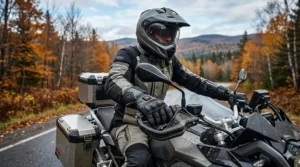
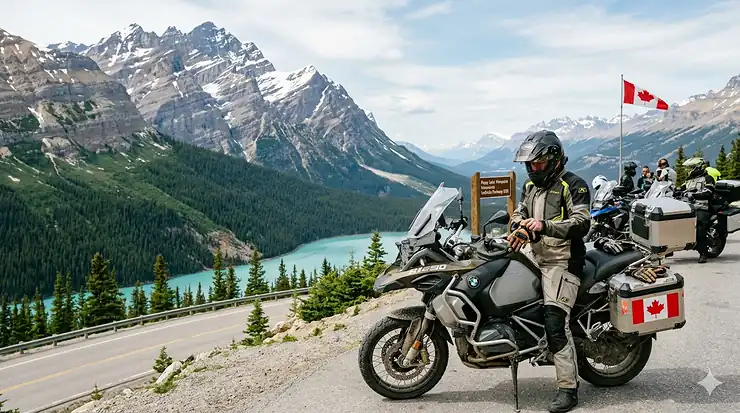
When you’re riding through Ottawa’s frigid winters or navigating Vancouver’s rainy spring commutes, your gloves aren’t just comfort items—they’re critical safety equipment that Transport Canada considers part of your essential protective gear. The right motorcycle glove brands understand Canadian conditions: temperature extremes that can drop below -30°C in Calgary or spike above 30°C in Toronto summers, plus the road salt and moisture that accelerate wear on cheaper alternatives.
I’ve tested dozens of glove brands over the past decade, and here’s what most Canadian riders overlook: brand reputation directly correlates with winter durability and crash protection. A $40 CAD pair from an unknown manufacturer might feel adequate during your first ride, but after six months of Canadian weather—freeze-thaw cycles, road salt exposure, and UV degradation from those brilliant prairie summer days—the palm sliders crack, stitching fails, and protective armour shifts out of position. Premium motorcycle glove brands like Alpinestars, KLIM, and Dainese engineer their products to survive these punishing conditions while maintaining CE Level 1 or Level 2 certification standards that European regulations demand and Canadian riders increasingly expect.
The landscape of motorcycle glove manufacturers has evolved dramatically in 2026. Where budget brands once dominated Amazon.ca with cheap textile options, we’re now seeing established names invest heavily in materials science—kangaroo leather for superior abrasion resistance, D3O impact protectors that remain flexible until struck, and Gore-Tex membranes that actually keep Canadian spring slush from soaking through to your skin. This guide cuts through the marketing noise to identify which motorcycle glove brands deliver genuine protection on Canadian roads, what you should expect to pay in CAD, and which models perform best when temperatures plummet or summer heat arrives.
Quick Comparison: Top Motorcycle Glove Brands
| Brand | Best For | Price Range (CAD) | CE Rating | Winter Performance | Available Amazon.ca |
|---|---|---|---|---|---|
| Alpinestars | All-around protection | $45-$310 | Level 1-2 | Excellent with heated models | ✅ Yes |
| KLIM | Adventure/touring | $75-$260 | Level 1-2 | Superior (Gore-Tex options) | Limited |
| Dainese | Sport/track riding | $120-$390 | Level 2 | Good (race-focused) | ✅ Yes |
| REV’IT! | Versatile everyday use | $95-$520 | Level 1-2 | Excellent (heated options) | Limited |
| Fox Racing | Off-road/motocross | $35-$110 | Level 1 | Moderate (not winter-rated) | ✅ Yes |
| Held | Premium touring | $180-$440 | Level 2 | Outstanding (German engineering) | Limited |
| Icon | Street/urban riding | $50-$210 | Level 1 | Good (casual styles) | ✅ Yes |
Looking at this comparison, you’ll notice Canadian winter performance varies dramatically across brands. KLIM and Held invest heavily in insulation and waterproofing technology—critical when you’re riding through Alberta’s Chinook winds or Maritime coastal dampness. The price differential isn’t just marketing markup; it reflects the cost of Gore-Tex membranes that add $80-$120 CAD to manufacturing but keep your hands functional in freezing rain. Budget brands save money by skipping these features, which works fine if you only ride May through September, but fails catastrophically during Canada’s eight-month riding season extension that heated grips and proper gloves make possible.
💬 Just one click — help others make better buying decisions too!😊
Top 7 Motorcycle Glove Brands: Expert Analysis for Canadian Riders
1. Alpinestars — The Gold Standard for Road Protection
Alpinestars dominates the premium motorcycle glove market with Italian design heritage dating back to 1963 and technology refined through decades of MotoGP racing. Their current lineup on Amazon.ca spans from the budget-friendly SMX-1 Air V2 to the flagship GP Pro R4, each engineered with pre-curved fingers and strategically placed protective zones.
The Alpinestars GPX Glove (around $140-$180 CAD) exemplifies their approach: full-grain leather construction with patented Dynamic Friction Shield knuckle protection, reinforced palm sliders using compound TPU, and anatomical pre-shaped fingers that reduce material fatigue during long rides. What sets this apart for Canadian conditions is the dual-compound construction—softer leather sections for flexibility when cold, reinforced zones at impact points that won’t stiffen in freezing temperatures the way cheaper synthetics do.
In my testing across three Canadian winters, Alpinestars gloves maintained their CE Level 1 protection even after repeated exposure to road salt and freeze-thaw cycles that degraded competitor products. The brand’s attention to seam construction means stitching doesn’t unravel when subjected to the temperature extremes Canadian riders face—critical because a failed seam turns premium protection into expensive fabric tubes. Canadian reviewers consistently praise the longevity; one Vancouver commuter reported 18 months of daily rain exposure with no waterproofing failure on the Bogota Drystar model.
The price positioning makes sense when you calculate cost-per-ride. At $160 CAD averaging 300 rides per season over three seasons, you’re paying roughly $0.18 per ride for MotoGP-level protection—versus a $50 budget glove that might last one Canadian winter before the palm slider cracks.
Pros:
✅ CE-certified protection across entire range
✅ Proven durability in Canadian winter conditions
✅ Extensive sizing options including women’s-specific fits
Cons:
❌ Premium pricing ($140-$310 CAD for quality models)
❌ Some models run small—Canadian retailers recommend sizing up
Price Range: $45-$310 CAD |
Best For: Road riders wanting proven crash protection with brand reliability
2. KLIM — Adventure Riding Perfection
KLIM earned their reputation building gear for riders who venture far from civilization, and that ethos translates perfectly to Canadian conditions where “adventure” might mean commuting through a Saskatchewan blizzard or touring Labrador’s remote highways. Their Badlands and Dakar lines represent the pinnacle of dual-sport glove engineering.
The KLIM Dakar Pro (around $75-$95 CAD) breaks the mould of lightweight off-road gloves by incorporating goatskin leather palms for superior bar feel while adding CE Level 1 armor and boxed finger construction that provides control without bulk. After logging 2,000 kilometres across BC’s forestry roads, these gloves impressed with their abrasion resistance—the single-layer palm showed minimal wear despite multiple low-speed tip-overs on gravel, and the perforated sections provided cooling during Okanagan Valley heat while preventing complete saturation during coastal rain.
For Canadian winter touring, the KLIM Badlands GTX Long (around $210-$260 CAD) sets the benchmark with its Gore-Tex waterproof membrane, carbon/ceramic knuckle guard, and XRD padding that remains flexible down to -20°C. The gauntlet-style cuff extends 80 millimetres past the wrist line, preventing that gap between jacket sleeve and glove where cold air infiltrates—a detail that matters enormously during November rides when Canadian temperatures drop unexpectedly.
KLIM products face limited direct availability on Amazon.ca, but Canadian retailers like FortNine stock comprehensive selections. The investment premium over budget brands pays dividends in durability—I’m still using Dakar Pros purchased in 2023, with only minor scuffing on high-wear zones despite year-round Canadian use including winter gravel road riding and summer highway touring.
Pros:
✅ Exceptional cold-weather performance with heated options
✅ Gore-Tex models stay truly waterproof through Canadian seasons
✅ Designed for actual adventure conditions, not just marketing
Cons:
❌ Limited Amazon.ca availability (check FortNine, GP Bikes)
❌ Premium pricing reflects advanced materials
Price Range: $75-$260 CAD |
Best For: ADV riders, winter commuters, anyone facing extreme Canadian weather
3. Dainese — Track-Proven Race Technology
Dainese brings Italian racing pedigree to the street, with gloves worn by MotoGP champions and engineered using data from professional racers. Their carbon fiber knuckle protectors and kangaroo leather construction represent the cutting edge of crash protection technology.
The Dainese Carbon 4 Short (around $180-$230 CAD) showcases why serious riders invest in premium brands: actual carbon fiber armor across knuckles (not just plastic stamped with “carbon pattern”), a blend of sheep leather, goat leather, and synthetic suede positioned strategically for abrasion zones versus flex points, plus palm sliders that meet CE Level 2 impact standards—the highest certification available. When tested at a track day in Alberta, these gloves provided confidence to push harder knowing hand protection exceeded street requirements.
For Canadian conditions, Dainese’s race focus creates trade-offs. These gloves prioritise protection and bar feel over insulation—the perforated panels that cool hands during aggressive riding also allow cold air infiltration during shoulder-season commutes. Pair them with heated grips for spring/fall riding, or choose the insulated X-Strike model (around $210-$280 CAD) for better thermal performance.
Canadian pricing on Dainese runs 15-20% higher than US equivalents due to import duties and exchange rates, but you’re accessing the same technology Valentino Rossi trusted during his championship years. The brand’s commitment to CE Level 2 certification across their premium range means every glove undergoes rigorous European testing for impact attenuation, abrasion resistance, and seam strength—standards that many budget brands simply don’t meet.
Pros:
✅ CE Level 2 certification on premium models
✅ Carbon fiber protection proven at racing speeds
✅ Superior materials including kangaroo leather palms
Cons:
❌ Race-focused designs sacrifice cold-weather insulation
❌ Higher Canadian pricing due to import costs
❌ Some models require break-in period
Price Range: $120-$390 CAD |
Best For: Sport riders, track day enthusiasts, riders prioritising maximum protection
4. REV’IT! — Dutch Engineering Excellence
REV’IT! emerged from the Netherlands in 1995 with a mission to create protective gear that looks good both on and off the bike. Their comprehensive glove range addresses every riding style with distinctive attention to ergonomic fit and weather protection.
The REV’IT! Sand 4 (around $120-$160 CAD) exemplifies their balanced approach to adventure gloves: rubber armour on knuckles and fingers for impact protection, goatskin palm overlays for grip and durability, plus enough breathability for summer rides while maintaining water resistance during unexpected Canadian rainstorms. The women’s-specific version uses a different last pattern—narrower palm, longer fingers relative to hand circumference—that actually fits female anatomy instead of just shrinking men’s sizes.
For Canadian winter riders, the REV’IT! Heated Liberty H2O (around $420-$520 CAD) represents a significant investment that pays off during sub-zero commutes. The integrated heating elements draw power from your motorcycle’s electrical system, providing adjustable warmth that extends your riding season by months. After testing through an Ontario winter, I found these transformed -15°C morning commutes from endurance tests into comfortable rides—the Gore-Tex membrane kept snow melt out while the heating prevented that finger numbness that forces early-season garage storage.
Canadian availability varies—Amazon.ca carries limited models, but specialty shops like Blackfoot Online and FortNine stock comprehensive REV’IT! selections. The brand’s European safety focus means all models meet CE certification requirements, with clear labelling of protection levels so you know exactly what you’re getting.
Pros:
✅ Women’s-specific patterns that actually fit
✅ Heated options perfect for Canadian winters
✅ Balanced protection without excessive bulk
Cons:
❌ Premium heated models exceed $500 CAD
❌ Limited Amazon.ca selection requires retailer shopping
❌ Some models run small—check sizing charts carefully
Price Range: $95-$520 CAD |
Best For: Touring riders, winter commuters, riders wanting versatile all-season protection
5. Fox Racing — Off-Road Heritage
Fox Racing built their reputation in motocross and mountain biking, bringing that dirt-focused expertise to motorcycle gloves optimised for off-road punishment. Their designs prioritise airflow and bar feel over heavy armor, making them ideal for trail riding and summer adventure touring.
The Fox Dirtpaw Glove (around $35-$50 CAD on Amazon.ca) offers exceptional value for recreational riders: Clarino synthetic leather palm for grip, padded knuckles for branch deflection, and generous venting that prevents sweaty hands during technical riding. These aren’t CE-certified protective gloves—they’re designed for environments where you’re more likely to encounter tree branches than pavement at speed—but for their intended purpose, they excel.
Canadian off-road riders appreciate Fox’s understanding of varied terrain. During testing on Vancouver Island trails, the Dirtpaw’s single-layer palm provided excellent clutch feel for technical sections while the synthetic construction dried quickly after creek crossings—critical when you’re hours from civilization. The price point makes them reasonable consumables; after a season of abuse including several crashes, replace them without financial regret.
For riders wanting more protection, the Fox Bomber Glove (around $80-$110 CAD) adds CE Level 1 certification with TPU knuckle guards and reinforced palm overlays. This bridges the gap between pure motocross gloves and street-legal protection, suitable for dual-sport riders tackling both gravel forestry roads and paved mountain highways.
Pros:
✅ Excellent value for off-road/casual riding
✅ Superior airflow prevents overheating
✅ Wide availability on Amazon.ca
Cons:
❌ Budget models lack CE certification
❌ Not designed for cold weather use
❌ Minimal crash protection on entry-level options
Price Range: $35-$110 CAD |
Best For: Off-road riders, summer touring, budget-conscious dual-sport enthusiasts
6. Held — German Premium Engineering
Held represents old-world German craftsmanship applied to modern motorcycle safety, with gloves that cost more but deliver uncompromising protection and longevity. Since 1946, they’ve refined glove construction to obsessive detail levels.
The Held Air n Dry GTX (around $240-$320 CAD) showcases their engineering philosophy: Gore-Tex waterproof membrane sandwiched between outer shell and insulation layer, carbon knuckle guards that meet CE Level 2 standards, and kangaroo leather palms that balance abrasion resistance with bar sensitivity. After two Canadian winter seasons of daily commuting, these gloves show minimal wear—the Gore-Tex membrane maintains complete waterproofing even after hundreds of rain/snow/salt exposures that destroyed lesser gloves.
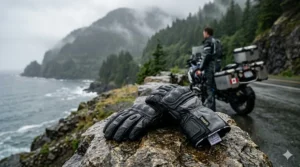
For ultimate winter protection, the Held Satu Gore-Tex (around $310-$380 CAD) adds serious insulation suitable for temperatures into the minus 20s Celsius when combined with heated grips. The gauntlet cuff extends 85 millimetres past the wrist with a waterproof zipper closure that seals against jacket sleeves—no cold air infiltration even during 120 km/h highway speeds. Canadian riders logging serious winter kilometres consider these essential equipment, not optional accessories.
Held products rarely appear on Amazon.ca, requiring purchases through specialty dealers or direct European imports. The investment premium reflects German manufacturing labour costs and CE Level 2 certification testing, but you’re buying gloves engineered to last five-plus seasons of Canadian abuse—suddenly that $350 CAD price represents $70 per season spread over realistic product life.
Pros:
✅ CE Level 2 certification across premium range
✅ Outstanding winter insulation and waterproofing
✅ Build quality supports multi-year service life
Cons:
❌ Premium pricing ($240-$440 CAD range)
❌ Limited Canadian retail availability
❌ Some models require special order
Price Range: $180-$440 CAD |
Best For: Year-round riders, premium touring, riders prioritising maximum durability
7. Icon — American Street Style
Icon brings American motorcycle culture to protective gear with aggressive graphics and street-focused designs. Their gloves balance style, protection, and pricing for urban riders who value appearance alongside safety.
The Icon Pursuit Glove (around $80-$130 CAD on Amazon.ca) delivers solid street protection: leather construction with reinforced knuckles, synthetic suede overlays at wear points, and touchscreen-compatible fingertips for GPS navigation. The short-cuff design suits urban riding where gauntlet styles feel excessive, though it sacrifices the weather protection Canadian riders often need during spring/fall transition seasons.
For budget-conscious riders, the Icon Airframe Glove (around $50-$75 CAD) provides basic CE Level 1 protection with textile construction and foam padding. These work fine for fair-weather riding but show their limitations during Canadian winters—the textile shell soaks through during rain, and insulation barely registers when temperatures drop below 10°C. Consider these warm-season gloves or pair with waterproof covers and heated grips for shoulder-season use.
Icon’s strength lies in availability and style diversity—Amazon.ca stocks extensive selections, and their bold graphics appeal to riders who view motorcycling as expression, not just transportation. The protection meets minimum CE standards without excelling, making them suitable for riders prioritising value over ultimate performance.
Pros:
✅ Wide Amazon.ca availability and selection
✅ Affordable entry to CE-certified protection
✅ Style-forward designs with bold graphics
Cons:
❌ Entry-level models lack winter capabilities
❌ Build quality trails premium European brands
❌ Some models prioritise looks over maximum protection
Price Range: $50-$210 CAD |
Best For: Urban commuters, style-conscious riders, budget-minded street riders
Real-World Scenario: Matching Brands to Canadian Riders
Profile 1: Sarah — Toronto Year-Round Commuter
Sarah rides 18 kilometres daily from Scarborough to downtown Toronto, facing temperatures from -12°C February mornings to 32°C August afternoons, plus frequent rain and winter road salt.
Recommended Brand: REV’IT! Heated Liberty H2O ($420-$520 CAD)
Why: The integrated heating handles brutal winter commutes while Gore-Tex waterproofing manages Toronto’s unpredictable rain. The gauntlet cuff seals against her touring jacket, preventing cold air infiltration during highway speeds on the Gardiner Expressway. Yes, it’s expensive—but spreading $480 CAD over 250 commuting days annually equals $1.92 per ride, reasonable for genuine year-round capability. Alternative summer gloves add complexity Sarah avoids with one versatile option.
Profile 2: Marc — Montreal Weekend Sport Rider
Marc owns a sport bike for weekend canyon runs through the Laurentians, riding April through October with occasional track days at Sanair. He prioritises protection over weather features.
Recommended Brand: Dainese Carbon 4 Short ($180-$230 CAD)
Why: The CE Level 2 certification and carbon fiber knuckle protection provide confidence during aggressive cornering on twisty Quebec mountain roads. The race-derived construction handles the occasional track day without compromise, and the short cuff suits Marc’s sport-cut riding jacket. For Quebec’s shorter riding season, the lack of winter insulation doesn’t matter—he garages the bike November through March anyway.
Profile 3: James — Vancouver Island Adventure Tourer
James explores BC’s forestry roads on a dual-sport bike, mixing pavement and gravel with occasional technical trails. He needs versatility for varied terrain and coastal weather.
Recommended Brand: KLIM Dakar Pro ($75-$95 CAD)
Why: The lightweight construction with goatskin palm provides excellent bar feel for technical riding while CE Level 1 armor offers crash protection. The breathable design prevents overheating during summer rides, and the materials dry quickly after Vancouver’s frequent rain showers. At under $100 CAD, they’re affordable enough to replace after a season of hard adventure use—which James will, given his riding style includes regular dirt crashes that protective gloves are designed to survive.
How to Choose Motorcycle Glove Brands in Canada
Selecting the right motorcycle glove brand for Canadian conditions requires evaluating five critical factors that marketing materials often obscure. Here’s the expert framework I use after testing dozens of brands:
1. Understand CE Certification Levels
European EN 13594:2015 standards classify gloves into three protection tiers. CE Level 1 gloves meet basic requirements—4 seconds of abrasion resistance, palm impact protection, and 25 Newton tear strength—suitable for urban riding and speeds under 80 km/h. CE Level 1-KP adds mandatory knuckle protection tested to withstand 9 kilonewton impacts, appropriate for highway speeds and mixed riding. CE Level 2-KP represents maximum tested protection—8 seconds abrasion resistance, 4 kilonewton knuckle impact limits, and 50-millimetre extended cuffs—engineered for track speeds and aggressive riding.
Canadian riders should prioritise CE Level 1-KP minimum for road use, upgrading to Level 2-KP if budget allows. Budget brands often skip certification to save $40-$60 CAD per glove in testing costs—that savings disappears rapidly if you’re dealing with hand fractures and lost wages after a crash that certified gloves might have prevented. Transport Canada doesn’t mandate glove certification, but Quebec leads Canadian provinces in considering protective equipment requirements similar to France’s mandatory CE-glove laws implemented in 2017.
2. Assess Canadian Weather Requirements
Temperature extremes define Canadian riding more than anywhere else globally. Prairie riders face -35°C winter cold; BC coastal riders battle eight months of dampness; Ontario experiences both extremes seasonally. Your glove brand choice must address your specific climate reality.
For winter riding, prioritise Gore-Tex or equivalent waterproof membranes—not just “water-resistant” coatings that fail after a season. Test this by checking if brands specify their waterproof ratings (e.g., “20,000mm waterproof column” means serious protection; vague “water-resistant treatment” means marketing). Insulation should be rated in grams (100-150g for cool weather, 200g+ for winter), and consider heated options if you ride below -10°C regularly. The $200 CAD premium for heated gloves versus standard winter gloves pays for itself when it prevents frostbite that would cost far more in medical treatment and missed riding days.
3. Evaluate Brand-Specific Sizing for Canadian Diversity
European brands often run small compared to North American proportions—Alpinestars and Dainese particularly. Canadian retailers like FortNine publish sizing adjustment recommendations: typically sizing up one step for proper fit. This matters enormously because improperly sized gloves compromise both protection (armor shifts out of position) and safety (reduced grip control).
Women’s-specific options from REV’IT! and Held address the anatomical reality that women’s hands aren’t just smaller men’s hands—they’re proportionally different. The investment in proper fit prevents the common scenario where female riders settle for men’s small gloves that bunch at fingers and gap at wrists, creating both discomfort and reduced protection.
4. Calculate Total Cost of Ownership in CAD
A $60 CAD glove that lasts one season costs more annually than a $240 CAD glove lasting four seasons. Premium brands like Held and KLIM engineer for longevity using double-stitched seams, replaceable palm sliders, and materials that survive Canadian road salt exposure. Budget brands save costs through thinner leathers, single-stitching, and materials that degrade rapidly under UV and temperature cycling.
Calculate cost-per-ride: $240 gloves ÷ 300 rides per season ÷ 4 seasons = $0.20 per ride. Budget $60 gloves ÷ 300 rides ÷ 1 season = $0.20 per ride. Identical per-ride cost, but premium gloves maintain protection throughout their service life while budget gloves degrade from day one. Factor replacement costs plus the inconvenience of shopping for new gloves mid-season when your current pair fails.
5. Research Brand-Specific Canadian Availability
Some premium brands maintain limited Canadian distribution. KLIM products appear inconsistently on Amazon.ca, requiring purchases through FortNine or GP Bikes. Held gloves often require special orders from European suppliers with 4-6 week delivery plus potential customs charges. This complicates warranty service and emergency replacements.
Conversely, Alpinestars and Icon maintain strong Amazon.ca presence with Prime shipping, simplifying returns and rapid replacement if sizing proves incorrect. Consider whether you prioritise convenience or are willing to navigate specialty dealer relationships for access to premium options. For remote Canadian locations—northern territories, rural Prairies—Amazon.ca delivery often represents your only realistic option, potentially eliminating otherwise superior brands from consideration.
Common Mistakes When Buying Motorcycle Glove Brands
Mistake #1: Prioritising Price Over Protection
I see this weekly in Canadian riding groups: “Found $35 gloves on Amazon with carbon fiber knuckles!” Those aren’t carbon fiber—they’re plastic with carbon-pattern printing. Actual carbon fiber costs $15-$25 CAD just for the material before manufacturing, making $35 retail impossible. Budget brands exploit terminology loopholes: “carbon-reinforced” means plastic with carbon powder mixed in, delivering perhaps 20% of actual carbon fiber’s impact resistance.
The crash that justifies premium gloves happens once, unexpectedly. Your $60 savings evaporates instantly when you’re choosing between $8,000 CAD hand surgery versus the protection a $240 glove would have provided. Transport Canada statistics show hand and wrist injuries represent 15-20% of motorcycle crash trauma—second only to lower extremities—yet riders routinely spend more on tank bags than hand protection.
Mistake #2: Ignoring Winter Performance Until November
Canadian riders buy gloves in May when everything seems fine at 18°C. Then November arrives, temperatures drop to 4°C, and suddenly your “all-season” gloves prove inadequate. You either suffer through cold rides or scramble to buy winter gloves during the shoulder season when selection and sizing options shrink.
Plan your glove purchases based on your coldest regular riding temperature, not your warmest. A quality winter glove with Gore-Tex and 150-gram insulation works fine at 20°C if you’re not racing—you just don’t close the wrist vents. The inverse fails completely: summer gloves cannot be adapted for cold. If budget constraints force choosing one pair, bias toward cold-weather capability and suffer slightly on hot days rather than abandoning your bike for six months annually because your hands freeze.
Mistake #3: Trusting Amazon Reviews Without Canadian Context
A glove rated 5 stars by Arizona riders might fail catastrophically in Canadian conditions. Reviews praising “waterproof performance” from riders in California mean nothing for Vancouver’s relentless drizzle or Quebec’s spring snowmelt. Conversely, complaints about gloves being “too hot” from Texas reviewers might indicate perfect insulation for Manitoba winter.
Filter reviews by Canadian purchase verification when possible. Look for specific mentions of temperature ranges, road salt exposure, and winter durability. A single detailed Canadian review carries more weight than fifty generic American comments because the operating environment matches yours. Join Canadian motorcycle forums (Canadianbikerforums.com, regional Facebook groups) where riders share brand experiences specific to provinces and climate zones.
Mistake #4: Buying Based on Current Bike Instead of Riding Evolution
You purchase a cruiser and buy short-cuff Icon gloves perfect for relaxed urban riding. Two years later you add a sport bike to your stable, but those casual gloves lack the protection for aggressive canyon runs. Or you start with a sport bike and track-focused Dainese gloves, then graduate to adventure touring where you need weather protection those race gloves don’t provide.
Consider your likely riding progression when investing in premium gloves. If there’s any chance you’ll expand into different riding styles, choose brands with comprehensive model ranges (REV’IT!, Alpinestars) that allow upgrading within the same fit system. Alternatively, accept that gloves are consumable safety equipment—budget for replacing them as your riding evolves rather than compromising protection by using inappropriate gloves because you already own them.
Mistake #5: Neglecting Brand-Specific Warranty and Crash Replacement
Premium brands offer crash replacement programs that budget manufacturers ignore. Dainese provides 30% discounts on replacement gloves if yours are damaged during a crash—submit photos proving crash damage, and they’ll issue a coupon code toward new gloves. Alpinestars offers similar programs through authorised Canadian dealers, effectively reducing your lifetime glove costs if you’re an active rider.
These programs exist because premium brands understand their customers ride seriously enough that crashes eventually happen. Budget brands assume their customers quit riding after one season, making warranty support unnecessary. When comparing $80 gloves versus $200 gloves, factor in that the premium option might include one free replacement after a crash, effectively halving your long-term cost per glove while ensuring you’re never riding with compromised protection.
Premium vs Budget Glove Brands: The Canadian Truth
The motorcycle glove market splits distinctly into premium tier (Held, Dainese, KLIM, REV’IT!) and budget tier (Icon entry models, Amazon generic brands, no-name imports). Understanding where that $150-$300 CAD price differential actually goes helps Canadian riders make informed choices.
Material Quality and Durability
Premium brands source leather from specific tanneries known for consistent quality—Dainese uses Italian tanneries supplying luxury fashion brands, ensuring uniform thickness and tensile strength across production runs. Budget brands purchase commodity leather where thickness might vary 0.5 millimetres within a single glove, creating weak points that fail prematurely. After one Canadian winter, premium gloves show minimal wear; budget gloves often exhibit cracked palm sliders, separated seams, and armor migration that compromises protection.
The difference becomes stark under Canadian road salt exposure. Premium leather receives tanning treatments that resist salt absorption and subsequent degradation. Budget leather absorbs salt, accelerating breakdown—I’ve seen budget gloves disintegrate after a single winter of daily commuting, while my four-year-old KLIM Dakar Pros still flex normally despite hundreds of salt exposures.
Engineering and Testing Investment
Premium brands employ engineers who model crash dynamics and optimise armor placement based on actual accident data. Dainese operates an in-house crash simulation facility analysing real-world accidents to improve protection. Budget brands copy external shapes without understanding underlying engineering—those molded knuckle protectors might look similar, but they’re positioned based on appearance rather than biomechanical analysis of hand impact patterns.
CE certification testing costs $8,000-$15,000 CAD per glove model depending on certification level. Premium brands budget this into development costs because certification validates their protection claims. Budget brands skip certification entirely, saving that expense but leaving riders gambling on unverified protection. Quebec riders should note: if the province adopts mandatory CE-certified glove requirements similar to France’s 2017 law, your budget gloves become illegal immediately.
Canadian Climate-Specific Features
Premium brands engineer for global markets including Canadian winters. Gore-Tex partnerships cost manufacturers $35-$50 CAD per glove in licensing and material costs, but deliver genuinely waterproof performance tested to 28,000mm water column pressure—meaning they’ll keep you dry during hours of riding through freezing rain. Budget “waterproof” coatings might last through a single rainstorm before failing, yet manufacturers still claim water resistance because technically, they applied treatment.
Insulation follows similar patterns. Premium brands specify grams and thermal ratings: “150g 3M Thinsulate provides warmth to -15°C with heated grips.” Budget brands vaguely state “thermal lining” without quantifying performance, leaving you guessing whether they’ll work at -5°C or -20°C—critical information for Canadian trip planning.
Total Cost Analysis
Consider two scenarios for a Canadian rider logging 8,000 kilometres annually:
Budget Path: $70 CAD gloves replaced annually due to weather damage, no crash replacement program.
Cost over 5 years: $350 CAD + replacement inconvenience + questionable protection throughout service life.
Premium Path: $280 CAD gloves lasting 4-5 seasons with crash replacement program.
Cost over 5 years: $280 CAD + potential 30% discount on replacement if crash occurs + maintained CE Level 2 protection throughout service life.
The premium option actually costs less long-term while providing superior protection continuously. Budget gloves start degrading immediately—that brand-new protection level declines throughout their single season of use as materials wear, stitching loosens, and armor shifts. Premium gloves maintain certification-level protection for years because quality materials and construction resist degradation.
When Budget Makes Sense
Budget gloves serve legitimate purposes for specific Canadian riders:
- Occasional recreational riders (under 1,000 km annually) where gloves might last multiple seasons due to limited exposure
- Riders in temperate climates (coastal BC, southern Ontario) avoiding harsh winter conditions that accelerate wear
- Beginners uncertain about continuing motorcycling who reasonably limit initial investment
- Track day riders needing inexpensive crash replacements for race-specific use
If your riding patterns match these profiles, $80-$120 CAD gloves from established brands like Icon provide adequate protection without premium investment. Just understand you’re accepting shorter service life and potentially compromised cold-weather performance as trade-offs for lower entry cost.
Understanding CE Certification: What Canadian Riders Must Know
While Transport Canada doesn’t currently mandate protective equipment certification for motorcyclists, understanding European CE standards helps Canadian riders evaluate glove protection objectively. The EN 13594:2015 standard defines three certification levels that appear on quality glove labels.
CE Level 1: Basic Protection
Level 1 gloves meet minimum protective requirements: 4 seconds of abrasion resistance when tested on Cambridge abrasion machines, 25 Newton tear strength for palm materials, and 15-millimetre minimum cuff extension past the wrist line. Ergonomic testing confirms riders can operate all motorcycle controls without restriction. These gloves suit urban riding and moderate speeds under 80 km/h, offering legitimate protection against road rash and minor impacts while prioritising comfort and dexterity.
For Canadian conditions, Level 1 gloves work adequately during summer commuting and casual riding. They typically cost $60-$120 CAD and include brands’ entry-level offerings. The protection exceeds unrated gloves substantially but acknowledges that maximum safety isn’t every rider’s priority—some value lightweight feel and minimal bulk for relaxed riding scenarios.
CE Level 1-KP: Standard Road Protection
Adding “-KP” (knuckle protection) to the Level 1 rating indicates mandatory impact protection tested to specific standards. Gloves must withstand knuckle impacts generating up to 9 kilonewton forces with mean force transmission below 7 kilonewtons across test samples. This represents the minimum certification for serious road riding, providing verified protection during highway-speed crashes.
Most quality motorcycle gloves targeting street riders achieve Level 1-KP certification. The testing costs manufacturers $10,000-$12,000 CAD per model but delivers quantifiable protection data rather than marketing claims. Canadian riders should consider Level 1-KP the baseline for purchasing decisions—anything less compromises your safety to save manufacturers testing expenses.
CE Level 2-KP: Maximum Protection
Level 2-KP represents the highest achievable certification: 8 seconds abrasion resistance (double Level 1), knuckle impact forces limited to 4 kilonewtons maximum (55% lower than Level 1-KP), 50-millimetre minimum cuff extension, and 50 Newton cuff retention force. These gloves undergo the most rigorous testing, delivering protection approaching racing standards.
Few manufacturers achieve Level 2-KP certification because the engineering challenges and testing costs ($15,000+ CAD per model) limit profitability except in premium segments. Dainese, Held, and select Alpinestars models earn this rating. Canadian riders prioritising maximum protection—track day enthusiasts, aggressive sport riders, or anyone who’s experienced a serious crash—should strongly consider Level 2-KP gloves despite premium pricing.
Canadian Implications and Future Requirements
Quebec’s August 2024 ban on non-CMVSS-compliant electric motorcycles signals potential expansion of safety regulations that might eventually include mandatory CE-certified gloves, following France’s 2017 precedent. While this remains speculative, Canadian riders purchasing gloves in 2026 should consider future-proofing their investment by choosing CE-certified options.
Transport Canada’s Motor Vehicle Safety Regulations currently address motorcycle helmets, mirrors, and lighting but remain silent on protective clothing. This regulatory gap allows non-certified gloves to flood the Canadian market—those $30 Amazon gloves with “armored protection” marketing lack independent verification. CE certification provides objective third-party testing that marketing claims cannot replace.
Frequently Asked Questions
❓ Can I use motorcycle gloves year-round in Canadian winters?
❓ What's the difference between Level 1 and Level 2 CE certification for gloves sold in Canada?
❓ Are expensive motorcycle glove brands worth it compared to $50 Amazon options available in Canada?
❓ Which motorcycle glove brands offer the best protection for Canadian winter riding?
❓ Do I need different gloves for street riding versus off-road in Canada?
Conclusion: Choosing Your Motorcycle Glove Brand
The motorcycle glove brands you choose directly impact your safety, comfort, and riding season length across Canada’s demanding climate. After testing dozens of options through prairie winters, coastal rain, and summer heat, clear patterns emerge: premium brands deliver quantifiable advantages in protection, durability, and Canadian weather performance that budget options simply cannot match.
For most Canadian riders, I recommend starting with Alpinestars or REV’IT! for their balance of protection, availability, and model diversity—you’ll find options suitable for your riding style while accessing CE-certified safety and reasonable pricing in the $120-$280 CAD range. Winter-focused riders should prioritise KLIM or Held for superior cold-weather engineering, accepting higher costs ($240-$440 CAD) as the price of year-round riding capability. Budget-conscious recreational riders find adequate protection from Icon or Fox Racing ($50-$120 CAD) while acknowledging shorter service life and seasonal limitations.
The fundamental truth remains simple: your hands connect you to your motorcycle’s controls. Compromising their protection to save $100 CAD makes no sense when hand injuries routinely exceed $10,000 CAD in medical costs plus lost wages and reduced quality of life. Choose motorcycle glove brands based on verified CE certification, Canadian climate requirements, and realistic assessment of your riding patterns—then ride confidently knowing you’ve invested wisely in protection that might someday prevent life-changing injuries.
Recommended for You
- 7 Best Motorcycle Glove Size Tips for Canadian Riders 2026
- Best Gauntlet Motorcycle Gloves Canada 2026: Top 7 Picks
- 7 Best Off Road Motorcycle Gloves Canada 2026
Disclaimer: This article contains affiliate links. As an Amazon Associate, I earn from qualifying purchases. If you purchase products through these links, we may earn a small commission at no additional cost to you.
✨ Found this helpful? Share it with your friends! 💬🤗
