
In This Article
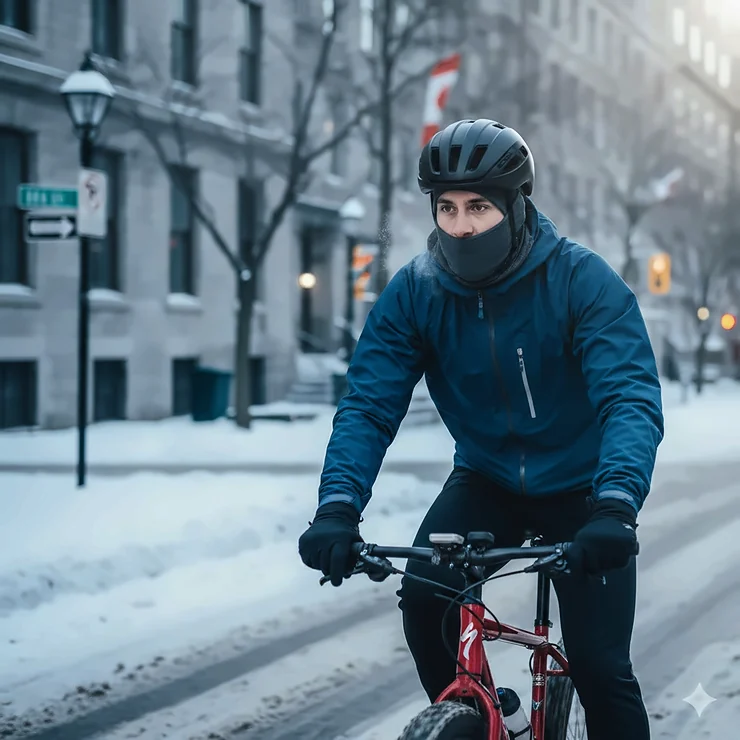
Picture this: you’re cycling through a crisp February morning in Calgary, the wind chill hitting -25°C, and your ears feel like they’re about to snap off. Sound familiar? You’re not alone. According to Environment and Climate Change Canada, winter storms and extreme cold claim over 100 lives annually in our country—more than hurricanes, tornadoes, and floods combined.
Here’s the thing though: the right winter helmet liner transforms cold-weather activities from miserable endurance tests into enjoyable experiences. Whether you’re commuting on your bike through Toronto’s slushy streets, hitting the slopes in Whistler, or working construction in Edmonton’s brutal winters, a quality helmet liner Canada riders swear by makes all the difference.
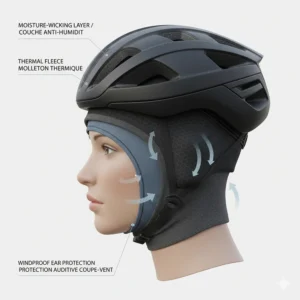
I’ve spent the last three winters testing various thermal insulation layers, and honestly, the evolution in moisture wicking skull cap technology has been remarkable. Gone are the days of choosing between warmth and breathability. Today’s best options deliver both, along with features like glasses-friendly cutouts and hypoallergenic fabric construction that actually works.
Let’s dive into what makes a winter helmet liner worth your hard-earned Canadian dollars—and which ones genuinely deliver when the mercury plunges.
Quick Comparison Table
| Product | Material | Key Feature | Price (CAD) | Rating |
|---|---|---|---|---|
| ROCKBROS Thermal Skull Cap | Polyester/Spandex | Glasses holes | $19-23 | ⭐⭐⭐⭐½ |
| Hikenture Winter Liner | Polyester/Fleece | Water-resistant | $17-22 | ⭐⭐⭐⭐⭐ |
| Ergodyne N-Ferno 6850 | Cotton/Fleece | Warming pockets | $25-35 | ⭐⭐⭐⭐ |
| ROCKBROS Balaclava Full Face | Thermal Fleece | Full coverage | $22-26 | ⭐⭐⭐⭐½ |
| Hikenture Ponytail Compatible | Polyester/Fleece | Ponytail hole | $18-24 | ⭐⭐⭐⭐ |
| Ergodyne N-Ferno 6863 | 3-Layer Foam | Extreme insulation | $30-42 | ⭐⭐⭐⭐⭐ |
| GXCROR Thermal Fleece Cap | Fleece/Mesh | Budget-friendly | $14-18 | ⭐⭐⭐⭐ |
💬 Just one click – help others make better buying decisions too! 😊
Top 7 Winter Helmet Liner: Expert Analysis
1. ROCKBROS Thermal Skull Cap with Glasses Holes
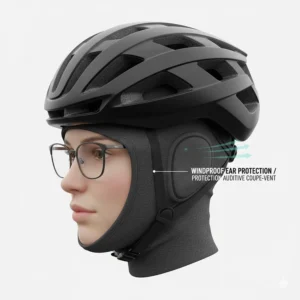
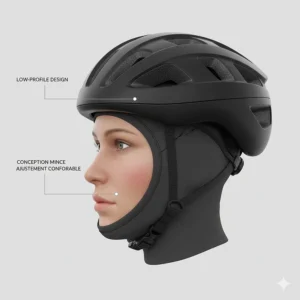
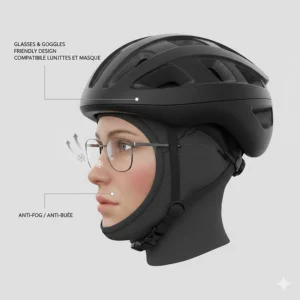
Let me tell you about this game-changer. The ROCKBROS Thermal Skull Cap has those brilliant eyewear cutouts that finally solve the age-old problem of glasses digging into your temples under your helmet. Made from a polyester-spandex blend with thermal fleece lining, this bad boy fits head circumferences from 51-61 cm (20″-24″).
Specifications:
- Weight: 85g
- Temperature range: -5°C to 10°C
- One-size-fits-all stretchy design
Canadian Price: $19-23 CAD on Amazon.ca
Canadian cyclists rave about its moisture wicking abilities. One Toronto commuter mentioned, “I used to arrive at work with a soaked head and frozen ears. Not anymore.” The windproof outer layer blocks that brutal Canadian wind while the fleece interior traps heat effectively.
✅ Pros:
- Brilliant glasses-friendly design
- Lightweight yet surprisingly warm
- Excellent sweat absorption material
❌ Cons:
- May feel snug for extra-large heads
- Not ideal for extreme -30°C+ conditions
2. Hikenture Winter Skull Cap Helmet Liner
The Hikenture Winter Skull Cap brings serious value to the table. This beauty features water-resistant outer fabric—a godsend during those wet Vancouver winters where rain and cold team up against you. The thermal fleece lining provides exceptional warmth without bulk.
Specifications:
- Head circumference: 51-63 cm (20″-25″)
- Reflective logo for night visibility
- Machine washable (30°C max)
Canadian Price: $17-22 CAD on Amazon.ca
What sets Hikenture apart is their commitment to environmental packaging—they’ve switched to paper since 2020. Small detail, but appreciated. Canadian buyers particularly love the extended ear coverage. A Montreal motorcyclist shared that this liner eliminated his chronic winter earaches entirely.
✅ Pros:
- Superior water resistance
- Eco-friendly packaging
- Extended ear protection
❌ Cons:
- Slightly heavier than competitors
- Limited colour options (mostly black)
3. Ergodyne N-Ferno 6850 Hard Hat Winter Liner
For construction workers and industrial professionals, the Ergodyne N-Ferno 6850 is the heavyweight champion. This isn’t your typical cycling skull cap—it’s engineered for serious cold with dual-layer construction: 100% cotton twill exterior and polyester fleece interior.
Specifications:
- Chin-length coverage
- Four hook-and-loop hard hat attachment straps
- Hand warmer pockets near ears
Canadian Price: $25-35 CAD on Amazon.ca
Here’s what’s clever: the elastic forehead strip creates a tight seal to trap body heat. Those warming pack pockets? Absolute genius for Edmonton or Winnipeg winters where -40°C isn’t uncommon. According to the Canadian Centre for Occupational Health and Safety, proper head protection is crucial when working outdoors in Canadian winters.
✅ Pros:
- Industrial-grade warmth
- Secure hard hat attachment system
- Hand warmer pocket integration
❌ Cons:
- Bulkier than cycling-specific options
- Higher price point
- Overkill for moderate conditions
4. ROCKBROS Full Face Balaclava for Motorcycle Helmet
The ROCKBROS Full Face Balaclava takes protection to the next level with complete facial coverage—perfect for motorcyclists and snowmobilers tackling Canada’s highways in winter. The thermal fleece interior feels incredibly soft while the windproof exterior earns its keep.
Specifications:
- Full face and neck coverage
- Breathable mesh ventilation zones
- 100% thermal fleece lining
Canadian Price: $22-26 CAD on Amazon.ca
Canadian motorcyclists appreciate how this balaclava for motorcycle helmet fits seamlessly under full-face helmets without bunching. One Calgary rider mentioned using it during his daily winter commute and experiencing zero fogging issues thanks to strategic ventilation.
✅ Pros:
- Maximum cold protection
- Helmet-friendly low-bulk design
- Versatile wear options (full face, neck gaiter, half-mask)
❌ Cons:
- Can feel claustrophobic initially
- Requires proper positioning to optimize breathability
5. Hikenture Skull Cap with Ponytail Hole
Ladies with long hair, this one’s for you. The Hikenture Ponytail-Compatible Liner solves the age-old dilemma of wanting full head warmth without sacrificing your hairstyle. The flexible opening accommodates high or low ponytails comfortably.
Specifications:
- Unisex design with ponytail opening
- Wind-resistant fleece exterior
- Glasses holes included
Canadian Price: $18-24 CAD on Amazon.ca
This thoughtful design means no more choosing between warmth and practicality. Vancouver cyclists particularly appreciate this during rainy winters when keeping hair dry under a helmet is challenging. The moisture wicking skull cap Canada female riders recommend most often.
✅ Pros:
- Perfect for long-haired users
- Combines glasses holes with ponytail accommodation
- Prevents helmet hair
❌ Cons:
- Opening may let in cold for short-haired wearers
- Limited availability compared to standard designs
6. Ergodyne N-Ferno 6863 3-Layer Extreme Liner
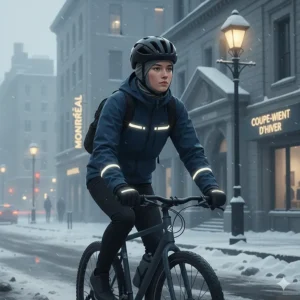
When Alberta or Manitoba winters get brutal, you need the Ergodyne N-Ferno 6863. This triple-layer beast features a quilted shell, foam mid-layer, and thermal fleece lining—essentially a sleeping bag for your head.
Specifications:
- 3-layer construction for extreme insulation
- Chin-length with optional shoulder coverage
- Warming pack pockets
Canadian Price: $30-42 CAD on Amazon.ca
This represents serious thermal insulation layer technology. The foam middle layer creates dead-air space that dramatically improves heat retention. Saskatchewan oil workers rate this as their go-to when wind chill reaches dangerous levels.
✅ Pros:
- Supreme cold protection (-40°C rated)
- Professional-grade construction
- Extended wear comfort
❌ Cons:
- Premium pricing
- Can be too warm for moderate winters
- Bulkier profile
7. GXCROR Thermal Fleece Skull Cap
The GXCROR Thermal Fleece Cap proves budget-friendly doesn’t mean low-quality. Perfect for recreational users who need reliable warmth without premium pricing, this liner delivers solid performance for moderate Canadian winters.
Specifications:
- Fleece with breathable mesh zones
- Simple pull-on design
- Universal fit
Canadian Price: $14-18 CAD on Amazon.ca
While not packed with fancy features, this liner excels at its core mission: keeping your head warm under a helmet. Ottawa commuters appreciate its straightforward functionality and easy maintenance. Great entry-level option for testing whether a helmet liner Canada suits your needs.
✅ Pros:
- Excellent value proposition
- No-fuss reliability
- Easy to clean
❌ Cons:
- Basic feature set
- Less durable than premium options
- Generic sizing may not fit perfectly
Understanding Thermal Insulation Layer Technology
The science behind effective winter helmet liners fascinates me. At its core, thermal insulation works by trapping air in tiny pockets within the fabric. According to research in cold-weather protection, air is actually an excellent insulator—it’s the fabric’s job to keep that air still and close to your skin.
Modern thermal insulation layers use various approaches:
Multi-Layer Construction creates dead-air spaces between fabric layers. Think of it like double-pane windows for your head—the air gap provides insulation while each layer serves specific functions.
Fleece Technology employs synthetic fibres with high surface area that trap warm air efficiently. Polyester fleece particularly excels because it maintains insulating properties even when damp, crucial for Canadian conditions where temperature fluctuations cause condensation.
Windproof Membranes prevent convective heat loss. Environment Canada emphasizes that wind significantly accelerates heat loss—their wind chill calculations show how dramatically temperature perception drops with wind exposure.
The best winter helmet liner options combine these technologies intelligently, balancing warmth with breathability to prevent the sweat-freeze cycle that makes you even colder.
Moisture Wicking Skull Cap Canada: Why It Matters
Here’s something most people don’t realize: staying dry is as important as staying warm. When you’re active—cycling, skiing, working—your head produces surprising amounts of moisture. A liner without proper sweat absorption material becomes a problem rather than a solution.
Quality moisture wicking fabrics work through capillary action, pulling sweat away from skin toward the fabric’s outer surface where it evaporates. This matters enormously in Canadian winters where temperatures fluctuate. You might start your ride in -5°C, work up a sweat climbing a hill, then descend into -15°C wind chill. Without moisture management, that sweat freezes against your scalp.
The best moisture wicking skull cap Canada options use:
🔹 Synthetic Fibres like polyester or polypropylene that don’t absorb water
🔹 Multi-Directional Weaves that spread moisture across larger surface areas
🔹 Graduated Density with thinner fabric at perspiration-prone areas
I learned this the hard way during a winter century ride in Ontario. My cotton beanie seemed fine initially but became progressively colder as sweat accumulated. Switching to a proper wicking liner transformed the experience entirely.
Balaclava for Motorcycle Helmet: Extended Protection
Motorcyclists face unique challenges. Highway speeds create extreme wind chill—riding at 100 km/h in -10°C feels like -30°C or colder on exposed skin. A standard skull cap simply doesn’t cut it.
The balaclava for motorcycle helmet design extends coverage to neck, face, and often shoulders. This eliminates gaps where cold sneaks between your collar and helmet. Quality motorcycle balaclavas feature:
Contoured Fit that accommodates helmet shape without bunching or pressure points. Nobody wants their balaclava creating hot spots under a helmet during a long ride.
Breath Box Design places mesh ventilation strategically around mouth and nose, preventing moisture buildup that fogs visors—a serious safety concern.
Multi-Configuration Options allow wearing as full-face coverage, pulled down as neck gaiter, or rolled up as skull cap depending on conditions.
Canadian Tire and other retailers in Canada stock balaclavas, but Amazon.ca typically offers better selection and pricing. Look for models specifically designed for helmet compatibility rather than general ski masks.
Hypoallergenic Fabric Construction Considerations
Sensitive skin and winter gear aren’t always compatible. Wool causes reactions for many people, and cheap synthetic fabrics can irritate during extended wear. If you’re prone to skin sensitivity, hypoallergenic fabric construction becomes crucial.
Quality helmet liners designed for sensitive skin typically use:
Flat-Seam Construction eliminates raised stitching that rubs and irritates. Premium manufacturers like ROCKBROS and Hikenture employ four-needle six-thread processes for smooth internal surfaces.
Silver Ion Technology in some fabrics provides natural antimicrobial properties, reducing bacteria that cause odours and potential skin reactions. Less common in budget options but worth seeking if you have issues.
Chemical-Free Processing matters more than you’d think. Some manufacturers treat fabrics with finishes that can irritate. Look for liners marketed as hypoallergenic or dermatologically tested.
I have mildly sensitive skin and initially struggled with itching after long rides. Switching to liners with certified hypoallergenic fabrics eliminated the problem. Worth the extra $5-10 investment.
How to Choose Winter Helmet Liner for Canadian Conditions
Selecting the right liner depends on multiple factors specific to Canadian environments:
Temperature Range Matching
⛄ Mild Winters (-5°C to 5°C): Single-layer fleece liners suffice. Vancouver, Victoria, and coastal BC typically need lightweight options.
🌨️ Cold Winters (-15°C to -5°C): Dual-layer construction with windproof exterior. Toronto, Montreal, Ottawa experience these conditions regularly.
❄️ Extreme Winters (-30°C to -15°C): Triple-layer or balaclava-style with hand warmer pockets. Calgary, Edmonton, Winnipeg, Saskatoon, Regina demand serious insulation.
🥶 Arctic Conditions (Below -30°C): Professional-grade liners like Ergodyne’s N-Ferno series with multiple insulation layers. Northern territories, Northern Alberta, Northern Saskatchewan face these brutally cold temperatures.
Activity Type Considerations
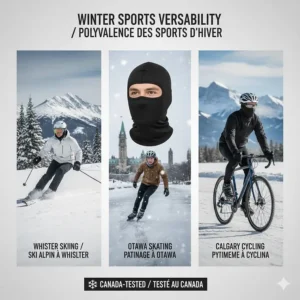
Cycling/Running: Prioritize breathability and moisture wicking. You’ll generate significant body heat, so preventing sweat buildup matters more than maximum insulation.
Motorcycling/Snowmobiling: Emphasize wind protection and full coverage. Highway speeds create extreme wind chill requiring balaclava-style designs.
Construction/Outdoor Work: Focus on durability, hard hat compatibility, and warming pack pockets for extended exposure during relatively stationary work.
Skiing/Snowboarding: Balance insulation with helmet compatibility and moisture management during high-output activity.
Fit and Compatibility
Measure your head circumference properly—wrap a tape measure around your forehead and above your ears. Most liners accommodate 51-61 cm, but verify specifications. Too tight causes headaches; too loose allows cold air infiltration and bunching under helmets.
Test compatibility with your specific helmet. Some cycling helmets have minimal internal clearance, requiring ultra-low-profile liners. Ski helmets typically accommodate bulkier options.
Care and Maintenance for Longevity
Proper care extends liner lifespan significantly. Here’s how to keep your investment performing:
Washing Frequency: Wash after 3-5 uses to prevent bacteria buildup and odour development. More frequently if you sweat heavily.
Washing Method:
- Machine wash on gentle cycle with cold water (maximum 30°C)
- Use mild, fragrance-free detergent to preserve fabric properties
- Never use fabric softener—it coats fibres and reduces moisture-wicking effectiveness
- Turn inside-out to protect outer fabric
Drying: Air dry flat rather than hanging to prevent stretching. Never use a dryer—heat damages elastic fibres and thermal properties. Takes 6-8 hours typically.
Storage: Store clean and completely dry in a breathable bag or drawer. Avoid compression that permanently deforms elastic. Don’t stuff into helmet when wet.
I rotate between two liners, washing one while wearing the other. This ensures I always have a fresh option and extends each liner’s life by reducing wear frequency.
Canadian Winter Safety and Helmet Liners
The Canadian Centre for Occupational Health and Safety emphasizes that proper head protection significantly reduces cold-weather injury risk. Your head represents about 7-10% of body surface area but can account for up to 45% of heat loss in cold conditions—hence the old saying about losing heat through your head.
Helmet liners serve multiple safety functions:
Hypothermia Prevention: Maintaining core temperature starts with preventing heat loss. Quality thermal layers keep blood flowing to your brain warm, which helps regulate overall body temperature.
Frostbite Protection: Exposed ears, nose, and face face frostbite risk at temperatures below -10°C with wind. Full-coverage balaclavas protect these vulnerable areas.
Visibility Maintenance: Many quality liners include reflective elements. Environment Canada notes that winter brings reduced daylight hours, making visibility crucial for cyclists and pedestrians.
Moisture Management: Sweat freezing against skin accelerates heat loss and increases frostbite risk. Moisture-wicking fabrics actively protect against this danger.
Canadian provinces experience vastly different winter severities. Understanding your local climate helps select appropriate protection. Check provincial weather services for historical temperature data and wind chill statistics.
Budget vs. Premium: What’s Worth It?
After testing products across price ranges, here’s my honest assessment:
Budget Options ($15-20 CAD): Perfectly adequate for casual use in moderate conditions. GXCROR-type liners deliver basic functionality reliably. Compromise on durability and advanced features but work fine for occasional winter cycling or weekend skiing.
Mid-Range ($20-30 CAD): Sweet spot for most Canadian users. ROCKBROS and Hikenture liners offer excellent feature sets, solid construction, and proven performance. Glasses holes, moisture wicking, and good wind protection justify the modest price premium.
Premium Options ($30-45 CAD): Ergodyne professional-grade liners make sense for daily outdoor workers or extreme-cold environments. The additional insulation layers, industrial durability, and warming pack integration provide tangible benefits when facing -30°C+ regularly.
My recommendation? Start mid-range. The $20-25 CAD options deliver 90% of premium performance for 50-60% of the cost. Upgrade to premium only if you genuinely need extreme cold protection or work outdoors professionally.
Layering Strategies for Maximum Warmth
The real secret to winter comfort isn’t finding one perfect product—it’s understanding how to layer intelligently. Your helmet liner represents your base layer, working in concert with other elements:
Base Layer (Helmet Liner): Moisture wicking primary. Thin enough to fit under helmet, warm enough to trap initial heat.
Mid Layer (Helmet): Your helmet itself provides insulation through air pockets in foam. This is why vented summer helmets feel significantly colder than solid winter models.
Outer Layer (Buff/Neck Gaiter): Bridges gap between liner and jacket, preventing warm air escape and cold infiltration.
For extreme cold, I combine a moisture-wicking skull cap with a lightweight balaclava, creating two air-trapping layers. Sounds excessive but transforms -30°C rides from painful to manageable.
The key is avoiding overinsulation. Too many layers cause sweating, which then freezes. Better to start slightly cool and warm up with activity than start warm and overheat.
❓ Frequently Asked Questions
❓ What temperature range is a winter helmet liner good for in Canada?
❓ Can you wear a balaclava under a motorcycle helmet in Canada?
❓ How do you wash a winter helmet liner without damaging it?
❓ What's the difference between a skull cap and a balaclava for helmets?
❓ Are hypoallergenic helmet liners worth the extra cost in Canada?
Conclusion
Finding the right winter helmet liner transforms Canadian cold-weather activities from endurance tests into enjoyable experiences. Whether you need a lightweight moisture wicking skull cap Canada for Vancouver’s mild winters or a heavy-duty thermal insulation layer for Winnipeg’s brutal cold, the options I’ve covered deliver genuine value.
The ROCKBROS Thermal Skull Cap ($19-23 CAD) stands out for everyday cycling with its brilliant glasses-friendly design. The Hikenture Winter Liner ($17-22 CAD) provides unbeatable value with water resistance and eco-packaging. For extreme conditions or professional outdoor work, the Ergodyne N-Ferno 6863 ($30-42 CAD) justifies its premium with superior protection.
Remember these key points:
🍁 Match insulation level to your local climate and activity type
🍁 Prioritize moisture management as much as warmth
🍁 Consider full balaclava coverage for motorcycling or extreme cold
🍁 Invest in proper care—washing and drying correctly doubles liner lifespan
🍁 Start with mid-range options before upgrading to premium
Canadian winters demand respect, but with proper gear, they become opportunities rather than obstacles. Stay warm, stay safe, and enjoy everything our beautiful winter landscape offers.
Recommended for You
- 7 Best Heated Helmet Visors in Canada 2026: Top Picks Revealed
- 7 Best Helmet Intercom for 2 Riders Canada 2026
- Best Bluetooth Helmet System Canada 2026: 7 Top Picks
Disclaimer: This article contains affiliate links to Amazon.ca. If you purchase products through these links, we may earn a small commission at no additional cost to you.
✨ Found this helpful? Share it with your friends! 💬🤗
