
In This Article
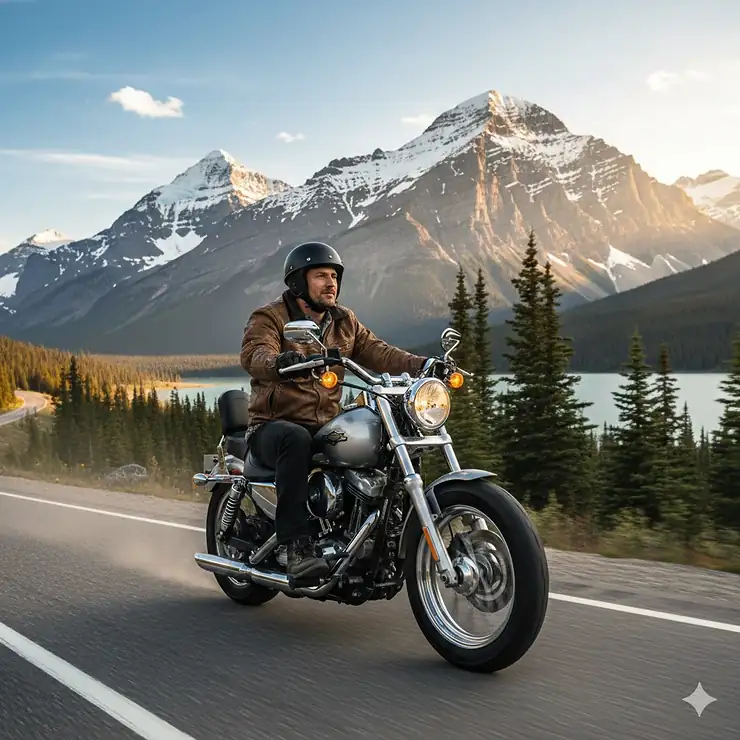
Riding through the Canadian Rockies with the wind in your face is pure freedom, but not if you’re worried about breaking the law or risking your safety. I’ve spent countless hours researching what makes a half helmet both legal and protective for Canadian riders, and I’m here to share everything you need to know about DOT approved half helmets.
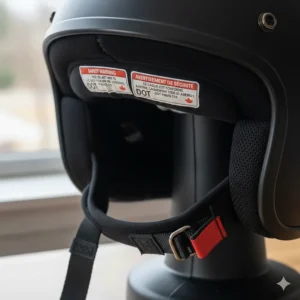
Here’s the thing that surprised me: many riders don’t realize that in Canada, helmet laws are provincially mandated, but all provinces accept DOT, ECE, or Snell certification. According to Canadian regulations, helmets must comply with and display certification from one of these three standards: DOT (Federal Motor Vehicle Safety Standard No. 218), Snell Certification, or ECE. The DOT approved half helmets offer the perfect balance of legal compliance, safety, and that open-face freedom cruiser riders crave.
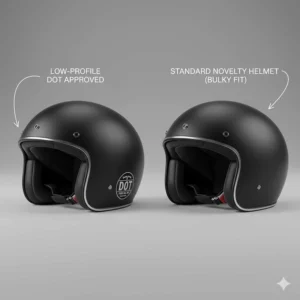
What makes DOT certification special? The FMVSS 218 standard establishes specific testing for impact attenuation, penetration resistance, retention system effectiveness, and proper labeling requirements. These helmets have undergone rigorous testing to ensure they provide adequate protection whilst maintaining the lightweight, minimalist design that makes half helmets so popular among urban commuters and cruiser enthusiasts across Canada.
Whether you’re cruising through Toronto’s streets, exploring Vancouver’s coastal roads, or navigating Montreal’s vibrant neighbourhoods, this guide will help you find the perfect DOT approved half helmet that meets Canadian safety regulations while fitting your riding style and budget.
Quick Comparison Table
| Helmet Model | Weight | Price Range (CAD) | Key Feature | Rating |
|---|---|---|---|---|
| ILM Half Helmet 205V | 0.9 kg | $60-$80 | Quick release buckle | 4.1/5 |
| ILM Open Face 726X | 0.95 kg | $75-$95 | Detachable sun visor | 4.3/5 |
| SanQing Open Face 3/4 | 0.75 kg | $55-$75 | Dual visor design | 4.2/5 |
| ILM Model 883V | 0.85 kg | $70-$90 | Retro cruiser style | 4.1/5 |
| WCL Carbon Fibre Beanie | 0.5 kg | $150-$180 | Lightest option | 4.5/5 |
| ILM Half Helmet 210V | 0.88 kg | $65-$85 | Cobweb graphics | 4.0/5 |
| German Style Half Shell | 0.75 kg | $50-$70 | Vintage aesthetic | 3.9/5 |
💬 Just one click – help others make better buying decisions too! 😊
Top 7 DOT Approved Half Helmets: Expert Analysis
1. ILM Half Helmet Motorcycle Open Face Model 205V
Right out of the gate, the ILM 205V impressed me with its practical design and solid DOT certification. This helmet strikes that sweet spot between affordability and functionality that Canadian riders appreciate.
Key Specifications:
- ABS shell with high-density EPS foam liner
- Quick release buckle system
- Integrated sun visor
- Weight: 0.9 kg
Price: $60-$80 CAD on Amazon.ca
This helmet features a thoughtful quick release steel buckle that makes getting it on and off remarkably easy, especially when you’re wearing gloves in Canada’s cooler months. The sun visor is detachable and replaceable, which I found particularly useful during those bright prairie summer rides.
Canadian buyers consistently mention the helmet’s lightweight feel and comfortable fit. One reviewer from Alberta noted it’s “perfect for urban commuting without feeling like you’re wearing a fishbowl.”
✅ Pros:
- Excellent value for money
- Quick release mechanism works smoothly
- Meets DOT FMVSS-218 standards
❌ Cons:
- Basic padding might need upgrading for long rides
- Limited colour options
2. ILM Open Face Motorcycle 3/4 Half Helmet Model 726X
The ILM 726X takes things up a notch with its 3/4 coverage design, offering more protection than traditional half helmets whilst maintaining that open-face feel.
Key Specifications:
- Drop-down internal sun shield
- Detachable chin guard option
- Multiple ventilation ports
- Weight: 0.95 kg
Price: $75-$95 CAD
What sets this model apart is its versatility. The detachable brim has two adjustable angles and even includes a camera mount, making it ideal for riders who document their Canadian adventures. The nine-vent ventilation system ensures you stay cool during those humid Ontario summers.
Canadian reviewers particularly appreciate the dual-visor system: an inner retractable smoked visor plus an outer clear shield. This combination handles varying light conditions brilliantly, from bright mountain sunshine to overcast coastal riding.
✅ Pros:
- Versatile 4-in-1 configuration
- Excellent ventilation
- Camera mount included
❌ Cons:
- Slightly heavier than pure half helmets
- More expensive than basic models
3. SanQing Motorcycle Open Face Helmet 3/4 DOT Approved
SanQing might not be as well-known as ILM, but this helmet punches well above its weight class in terms of features and value.
Key Specifications:
- ABS engineering material shell
- ECE 22.05 + DOT certified
- Dual visor design
- Weight: 0.75 kg
Price: $55-$75 CAD
This helmet meets both FMVSS-218 and ECE 22.05 safety standards, giving you double certification peace of mind. The removable and washable liner is a game-changer for Canadian riders dealing with varying weather conditions and seasonal storage.
The retractable inner smoked visor is brilliantly executed. One British Columbia rider mentioned, “The sun visor switch is incredibly smooth and doesn’t stick even in cold weather.”
✅ Pros:
- Dual certification (DOT + ECE)
- Lightweight at 0.75 kg
- Excellent price point
❌ Cons:
- Limited availability in some regions
- Sizing runs slightly small
4. ILM Motorcycle Half Helmet with Sunshield Model 883V
The ILM 883V screams retro cruiser style whilst maintaining modern safety standards. This is the helmet I’d grab for weekend rides through Quebec’s countryside.
Key Specifications:
- Classic half-face design
- Integrated sunshield
- Quick release strap
- Weight: 0.85 kg
Price: $70-$90 CAD
With over 2,400 reviews on Amazon.ca, this helmet has proven itself in the Canadian market. The gloss finish options look stunning on classic cruisers and modern bikes alike. The sunshield folds up and down smoothly, and unlike cheaper models, it doesn’t rattle or loosen over time.
Canadian winter riders appreciate that the helmet accommodates balaclava wear underneath without feeling cramped. The quick release mechanism remains functional even with cold, stiff fingers.
✅ Pros:
- Classic aesthetic appeal
- Proven reliability with thousands of reviews
- Works well in varying temperatures
❌ Cons:
- Minimal ear protection
- Not ideal for highway speeds
5. WCL Lightest and Smallest DOT Beanie Carbon Fibre
When you want the absolute minimum while staying legal, the WCL Carbon Fibre Beanie is your answer. This Canadian company specializes in ultra-lightweight DOT helmets.
Key Specifications:
- Carbon fibre construction
- Ultra-lightweight: 0.5 kg (1 pound)
- Low-profile design
- DOT FMVSS 571.218 certified
Price: $150-$180 CAD
This beanie-style helmet is marketed as one of the smallest and lightest DOT-certified options available, specifically popular in Canada and the United States. The carbon fibre finish looks incredibly sleek, and at just 500 grams, you barely notice you’re wearing it.
Canadian customers love the quick shipping (often within 2 days) and the responsive customer support. One reviewer from Ontario mentioned, “Finally, no more mushroom head look!”
✅ Pros:
- Lightest option available
- Premium carbon fibre construction
- Canadian company with local support
❌ Cons:
- Higher price point
- Minimal protection compared to larger helmets
- Very basic features

6. ILM Half Helmet Open Face Model 210V
The ILM 210V adds some personality with its cobweb and graphic options whilst maintaining solid safety credentials.
Key Specifications:
- Upgrade quality drop-down sun visor
- Moisture-wicking liner
- Quick release steel buckle
- Weight: 0.88 kg
Price: $65-$85 CAD
This helmet combines the practical features you need with aesthetic options that let your personality shine. The moisture-wicking liner is particularly appreciated by Canadian riders who experience the full range of weather conditions throughout the riding season.
Reviews highlight the helmet’s value proposition. It’s not trying to be premium, but it delivers reliable DOT protection and comfort at a price point accessible to new riders.
✅ Pros:
- Unique graphic options
- Moisture-wicking interior
- Great beginner helmet
❌ Cons:
- Graphics may fade over time
- Padding could be thicker
7. German Style Motorcycle Half Helmet
Rounding out our list is the German Style Half Shell, offering vintage aesthetics that turn heads at every stoplight.
Key Specifications:
- Classic German military styling
- Adjustable quick release buckle
- Cosy soft lining
- Weight: 0.75 kg
Price: $50-$70 CAD
Despite its retro appearance, some German Army style helmets do meet federal DOT requirements, though buyers should verify certification carefully. This particular model carries proper DOT FMVSS-218 certification.
The vintage aesthetic appeals to bobber and custom bike enthusiasts across Canada. However, be aware that the minimal coverage means this helmet is best suited for low-speed urban riding rather than highway cruising.
✅ Pros:
- Authentic vintage look
- Very affordable
- Comfortable soft lining
❌ Cons:
- Minimal protection
- Not suitable for high-speed riding
- Basic safety features
✨ Don’t Miss These Exclusive Deals!
🔍 Take your riding safety to the next level with these carefully selected DOT approved half helmets available in Canada. Click on any highlighted item to check current pricing and availability on Amazon.ca. These helmets will help you ride legally and confidently across every Canadian province!
Understanding DOT Certification in Canada
Let me clear up some confusion about helmet certifications in Canada. Unlike the United States where DOT is the primary standard, all Canadian provinces and territories require helmets meeting at least one of three certifications: DOT, Snell, or ECE.
What Does DOT Certification Mean?
DOT certification through FMVSS 218 establishes minimum performance requirements including impact protection, penetration resistance, retention system effectiveness, and specific labeling. When you see that DOT sticker on the back of a helmet, it means the manufacturer has certified that the helmet passed these rigorous tests.
Here’s something fascinating: DOT monitoring relies primarily on the manufacturer’s certification rather than pre-market testing by government agencies. This honour system is why buying from reputable manufacturers and retailers is crucial.
How to Identify Genuine DOT Helmets
Helmets certified after May 13, 2013, should bear labels reading “DOT FMVSS No. 218, CERTIFIED” while older helmets simply display “DOT”. Both are legally acceptable in Canada.
Watch out for these red flags:
- Helmets thinner than 2.5 cm (1 inch)
- Extremely lightweight (under 450 grams)
- Missing permanent interior labels
- Flimsy chin straps with weak rivets
- Advertisements claiming “thinnest helmet available”
DOT-compliant helmets generally weigh about three pounds (1.4 kg) and have sturdy chin straps with solid rivets.
Provincial Helmet Laws Across Canada
Understanding your province’s specific requirements prevents headaches at traffic stops and ensures you’re properly protected.
British Columbia Requirements
BC requires helmets displaying certification labels for DOT (FMVSS 218), Snell M2005/M2010/M2015, or ECE Regulation No. 22. Police officers can seize non-compliant helmets, and if your vehicle can’t be safely parked afterward, it may be towed at your expense.
Ontario Regulations
Ontario accepts the same three certifications as BC but also recognizes Canadian Standards Association Standard D230 and British Standards Institute certifications. This broader acceptance gives Ontario riders more options when shopping.
Alberta Standards
Alberta recognizes DOT Standard No. 218, BSI Standard BS 6658:1985, Snell 2000/2005/2010 standards, and UNECE Regulation 22-05. Alberta emphasizes that lighter-coloured helmets improve visibility to other motorists.
Universal Requirements
Across all provinces:
- Both driver and passenger must wear helmets
- Helmets must display proper certification labels
- Chin straps must be fastened whilst riding
- Some provinces have exceptions for Sikh riders (Ontario being one example)
Half Helmets vs. Full-Face: Making the Right Choice
This debate sparks passionate discussions at every Tim Hortons parking lot bike meet. Let me break down the real differences.
Protection Comparison
| Aspect | Half Helmet | Full-Face Helmet |
|---|---|---|
| Coverage | Top & sides of head | Complete head protection |
| Face Protection | None | Full face & chin bar |
| Weight | 0.5-1.0 kg | 1.4-2.0 kg |
| Ventilation | Maximum | Limited but controlled |
| Noise Level | Higher | Lower |
Half coverage helmets protect only the top and some sides and back of the skull, lacking protection for the base of skull, ears, face, and chin. This reality means choosing a half helmet involves accepting reduced protection in exchange for comfort and freedom.
When Half Helmets Make Sense
You’re a good candidate for a half helmet if you:
- Ride primarily in urban environments at lower speeds
- Value peripheral vision and ambient awareness
- Prefer cruiser or classic bike styling
- Experience claustrophobia in full-face helmets
- Ride mainly in summer months
When to Choose Full-Face
Consider upgrading to full-face protection for:
- Highway riding above 80 km/h
- Long-distance touring
- Year-round riding in Canadian climates
- Areas with heavy traffic or aggressive drivers
- Any off-road or adventure riding
Proper Fit: The Make-or-Break Factor
I cannot stress this enough: an improperly fitted helmet, no matter how expensive or well-certified, won’t protect you effectively. Here’s how to nail the fit.
Measuring Your Head
- Use a soft measuring tape
- Wrap it around your head about 2.5 cm above your eyebrows
- Position it across the widest part of the back of your head
- Note the circumference in centimetres
- Round up if you’re between sizes
Size Charts for Common Brands
ILM Helmets:
- Small: 55-56 cm
- Medium: 57-58 cm
- Large: 59-60 cm
- XL: 61-62 cm
SanQing Helmets:
- Small: 55-56 cm
- Medium: 57-58 cm
- Large: 59-60 cm
- XL: 61-62 cm
The Fit Test
When trying on a helmet:
- It should feel snug without pain
- No pressure points on forehead or sides
- Cheeks should touch padding firmly
- Shake your head side-to-side; helmet shouldn’t shift
- Try to pull it off; it should resist removal
- Wear it for 15 minutes to check comfort
Remember, helmets break in slightly over time, so don’t buy loose expecting it to shrink.
Maintenance Tips for Canadian Climates
Our Canadian weather puts unique demands on motorcycle gear. Here’s how to keep your DOT approved half helmet in top condition.
Seasonal Storage
Winter Storage (Most Provinces):
- Clean thoroughly before storing
- Remove and wash liner
- Store in cool, dry place (not freezing garage)
- Keep away from petroleum products
- Use helmet bag to prevent dust accumulation
Year-Round Riders:
- Inspect helmet monthly for cracks
- Clean visor weekly during riding season
- Replace if dropped, even without visible damage
Cleaning Protocol
- Use only mild soap and water
- Never use petroleum-based cleaners
- Remove liner and wash separately
- Air dry completely before reassembly
- Clean visor with microfibre cloth
When to Replace
Replace your helmet if:
- It’s been in any impact, even minor
- You see cracks in shell or liner
- Retention system is damaged
- It’s over 5 years old (materials degrade)
- Interior padding is compressed and non-resilient
Safety Features Breakdown
Understanding what makes a half helmet safe helps you evaluate options beyond just price.
Impact Attenuation
The DOT standard tests helmets to ensure they absorb energy and reduce force transmitted to the head during impacts. This involves dropping helmets onto anvils from specific heights and measuring the G-forces transmitted through the helmet.
Half helmets meet the same impact standards as full-face helmets, but the coverage area is simply smaller. The protection you get where the helmet covers is equivalent; there’s just less coverage overall.
Retention System Requirements
DOT standards require retention systems to withstand specific loads without the adjustable portion moving more than 2.5 cm. This ensures your helmet stays on during a crash.
Quality indicators in retention systems:
- Metal D-rings or strong quick-release buckles
- Doubled-stitched straps
- Adjustability that holds position
- No sharp edges against chin
Penetration Resistance
Helmets must resist penetration from pointed objects, with testing establishing maximum allowable penetration depth. This protects against sharp debris during crashes.
The outer shell material (usually ABS plastic or fibreglass) provides this resistance, whilst the inner EPS foam handles impact absorption.
Budget Guide: What to Expect at Different Price Points
Budget Tier: $50-$75 CAD
Helmets like the SanQing and basic German Style fall here. You get:
- DOT certification
- Basic comfort features
- Limited colour options
- Standard materials
- Minimal extras
Perfect for occasional riders or those on tight budgets. The protection meets standards, though comfort and durability may be compromised.
Mid-Range: $75-$100 CAD
The ILM lineup dominates this category, offering:
- Enhanced comfort padding
- Multiple colour/graphic options
- Better ventilation systems
- Quick release mechanisms
- Removable liners
This sweet spot balances quality and affordability for most Canadian riders.
Premium: $150+ CAD
Options like the WCL Carbon Fibre deliver:
- Advanced materials
- Ultra-lightweight construction
- Premium aesthetics
- Better customer support
- Enhanced durability
Worth it if you ride frequently or want the absolute best minimalist design.

Common Misconceptions Debunked
“Half Helmets Aren’t Really Safe”
This oversimplification misses nuance. Half helmets meeting DOT standards provide excellent protection for the areas they cover. The limitation is coverage area, not protection quality. For low-speed urban riding, they offer reasonable safety whilst maximizing comfort.
“DOT Certification Doesn’t Mean Anything”
Whilst the certification relies on manufacturer honesty rather than pre-market testing, buying from established brands on Amazon.ca generally ensures legitimate certification. NHTSA conducts compliance testing of various motorcycle helmets annually to verify they meet federal safety standards.
“You Should Always Buy the Lightest Helmet”
Extremely light helmets sacrifice padding and protection. Helmets meeting DOT standards generally weigh about three pounds. Be suspicious of helmets significantly lighter unless they use premium materials like carbon fibre.
Accessories to Enhance Your Half Helmet
Essential Add-Ons
Bluetooth Communication Systems: Many riders add systems like Sena or Cardo to half helmets. The open design makes speaker placement easier than in full-face helmets.
Face Shields and Goggles: Essential for eye protection. Choose options with anti-fog coating for Canadian weather transitions.
Helmet Locks: Prevent theft when parking at trailheads or cafés. Cable locks work well with half helmet designs.
Nice-to-Have Upgrades
- Helmet bag for storage
- Replacement visors (clear and tinted)
- Upgraded padding sets
- Reflective stickers for night visibility
- Breath guards for cold weather

FAQ Section
❓ What is the minimum legal helmet in Canada?
❓ How much do DOT approved half helmets cost in Canada?
❓ Can police tell if a helmet is DOT approved?
❓ Do half helmets work in Canadian winter?
❓ Are beanie-style DOT helmets legal in all provinces?
Conclusion: Making Your Best Choice
After reviewing dozens of DOT approved half helmets available in Canada, several clear winners emerge for different riding styles and budgets.
For best overall value, the ILM Half Helmet 205V delivers reliable DOT protection, practical features, and pricing that won’t break the bank. Canadian riders consistently praise its comfort and functionality for urban riding.
If you want maximum protection in the half helmet category, the ILM Open Face 726X provides 3/4 coverage whilst maintaining that open-face feel. The versatile design adapts to different riding conditions.
Budget-conscious riders should grab the SanQing Open Face 3/4 helmet. With dual DOT and ECE certification at under $75 CAD, it’s hard to beat.
For riders wanting the absolute minimum while staying legal, the WCL Carbon Fibre Beanie is unbeatable. Yes, it costs more, but you get premium materials and Canadian customer support.
Remember, the best helmet is the one you’ll actually wear. DOT approved half helmets offer legal compliance across all Canadian provinces whilst providing the freedom and comfort that makes riding enjoyable. Choose based on your riding style, budget, and honest assessment of your protection needs.
Stay safe out there on Canadian roads, and always ride within your comfort level. The open road is calling—answer it with the right protection!
Recommended for You
- Best Cruiser Helmet Canada 2026: 7 Top Vintage Picks for Harley
- Best Open Face Helmet Canada 2026: Top 7 Expert Picks
- Best ATV Helmet Canada: 7 Top Picks for Trail Safety 2026
Disclaimer: This article contains affiliate links to Amazon.ca. If you purchase products through these links, we may earn a small commission at no additional cost to you.
✨ Found this helpful? Share it with your friends! 💬🤗
