
In This Article
Picture this: you’re cruising down Highway 401 on a crisp January morning, temperature hovering around -15°C, and suddenly your visor fogs up completely. That split second of reduced visibility could mean the difference between a safe ride and a dangerous situation.
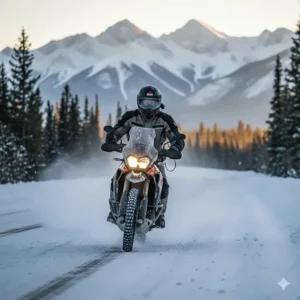
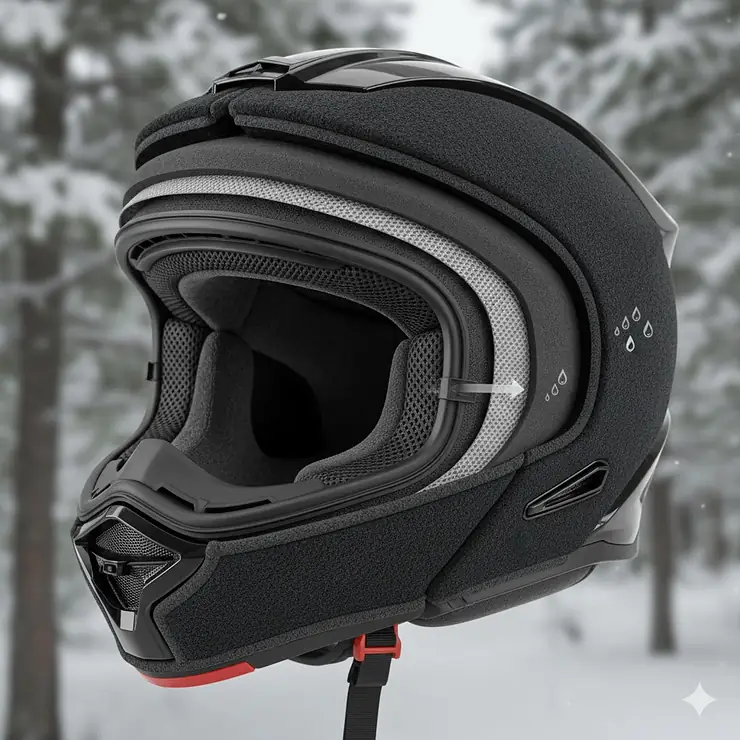
Winter motorcycle helmets aren’t just regular helmets with extra padding—they’re engineered specifically to handle Canada’s brutal winter conditions. From Edmonton’s -30°C deep freezes to Vancouver’s rain-soaked coastal winters, Canadian riders face unique challenges that demand specialized gear. A quality winter motorcycle helmet with proper anti-fog systems, thermal insulation, and breath management can transform your cold-weather riding experience from miserable to manageable.
Canadian winters are unforgiving, but that doesn’t mean you need to park your bike for six months. With the right cold weather riding helmet featuring advanced breath box anti-fog systems and sub-zero temperature riding capabilities, you can extend your riding season safely. Whether you’re commuting through Toronto’s slushy streets or touring through the Rockies, your helmet is your most critical piece of winter riding gear.
Quick Comparison Table: Top Winter Motorcycle Helmets
| Helmet Model | Key Winter Feature | Price (CAD) | Rating | Best For |
|---|---|---|---|---|
| ILM Model JK313 | Removable neck scarf | $119-$139 | 4.4/5 | Budget winter riders |
| ILM Model 817 | Pinlock anti-fog visor | $135-$165 | 4.5/5 | Snowmobile riders |
| ScorpionEXO AT960 | BreathBox XC kit | $450-$550 | 4.7/5 | Adventure touring |
| ILM Model 129 | Heated shield compatible | $149-$189 | 4.6/5 | Extreme cold |
| AUBOA AU-T801 | Dual visor + neck scarf | $89-$119 | 4.3/5 | Value seekers |
| LS2 Rapid | Pinlock-ready + vents | $199-$249 | 4.5/5 | Street riders |
| ScorpionEXO Covert | Convertible 3-in-1 design | $350-$425 | 4.6/5 | Versatility |
💬 Just one click – help others make better buying decisions too! 😊
Top 7 Winter Motorcycle Helmets: Expert Analysis
1. ILM Full Face Model JK313 – Best Budget Winter Helmet
The ILM JK313 has become a Canadian favourite for good reason—it delivers winter-specific features at an entry-level price point that won’t break the bank. This ILM JK313 features a removable winter neck scarf that zips on and off, allowing you to adapt to changing temperatures throughout your ride.
Key Specifications:
- DOT FMVSS-218 certified
- Removable fleece neck scarf
- Dual visors (clear + tinted)
- Advanced ABS shell construction
Price Range: $119-$139 CAD
Canadian riders consistently praise the ILM JK313‘s thermal neck scarf, which effectively seals out frigid air around the collar area—a common weak point in winter riding gear. The helmet’s ventilation system can be fully closed during winter rides, preventing cold air infiltration while the streamlined design reduces wind noise at highway speeds.
✅ Pros:
- Excellent value for money
- Genuine winter neck scarf included
- Quick-release buckle system
❌ Cons:
- Heavier than premium options
- No Pinlock anti-fog system
Canadian customers report the ILM JK313 performs admirably in temperatures down to -10°C with proper layering. One Toronto rider noted, “the neck scarf makes a huge difference on my morning commute—no more cold air sneaking in.”
2. ILM Model 817 – Best Anti-Fog Performance
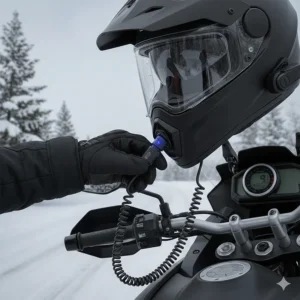
For riders who battle constant fogging issues, the ILM 817 offers Pinlock-ready anti-fog technology that’s essential for Canadian winters. This ILM 817 comes equipped with a Pinlock 30 insert specifically designed for cold weather and snowmobile use.
Key Specifications:
- Pinlock 30 anti-fog system included
- DOT certified with EPS foam
- Three front air vents (closeable)
- Eyewear-friendly design
Price Range: $135-$165 CAD
The ILM 817‘s Pinlock technology creates a double-pane effect, similar to your home’s winter windows, preventing condensation buildup even during strenuous riding. The helmet’s ventilation system features strategically placed intake and exhaust vents that can be adjusted on-the-fly—close them completely for sub-zero rides or crack them open for milder days.
✅ Pros:
- Pinlock insert included
- Excellent fog-free performance
- Removable, washable liner
❌ Cons:
- Limited colour options
- Pinlock requires careful installation
Manitoba riders particularly appreciate the ILM 817 for snowmobiling, where fogging can be especially problematic. The helmet maintains clarity even during high-exertion riding in temperatures as low as -20°C.
3. ScorpionEXO AT960 – Premium Adventure Winter Helmet
The ScorpionEXO AT960 represents the pinnacle of winter adventure helmet technology with its innovative BreathBox system and modular design. This ScorpionEXO AT960 converts seamlessly between full-face and open-face configurations while maintaining DOT and ECE 22.06 certification.
Key Specifications:
- Advanced polycarbonate shell
- BreathBox/Bib cold weather system
- Dual-position mouth vent (defroster mode)
- Compatible with cold weather kit
Price Range: $450-$550 CAD
What sets the ScorpionEXO AT960 apart is its engineering specifically for extreme conditions. The BreathBox directs your breath away from the visor, eliminating fog buildup while the included chin curtain blocks wind infiltration. The helmet’s KwikWick C liner actively wicks moisture while providing thermal regulation—keeping you warm in winter without overheating during exertion.
✅ Pros:
- Professional-grade winter features
- Modular flip-up convenience
- Bluetooth communication ready
❌ Cons:
- Higher price point
- Heavier than sport helmets
According to FortNine’s helmet safety ratings, the ScorpionEXO AT960 meets stringent safety standards accepted across Canada, including DOT, ECE, and Snell certifications. Alberta adventure riders report excellent performance in Rocky Mountain winter conditions.
4. ILM Snowmobile Model 129 – Best for Extreme Cold
Designed specifically for snowmobile use, the ILM 129 tackles Canada’s harshest winter conditions with optional heated shield compatibility. This ILM 129 features enhanced insulation and a specialized breath deflector system.
Key Specifications:
- Heated shield optional upgrade
- Pinlock 30 insert included
- Communication speaker pockets
- Breath deflector and chin curtain
Price Range: $149-$189 CAD
The ILM 129 addresses a critical winter riding problem: extreme cold compromises both comfort and safety. With optional heated shield compatibility (purchased separately), this helmet eliminates fogging entirely through active heating. Even without the heated upgrade, the included Pinlock insert and multi-layer sealing system provide excellent fog resistance.
✅ Pros:
- Heated shield compatibility
- Purpose-built for Canadian winters
- Excellent seal against cold air
❌ Cons:
- Heated shield sold separately
- Bulkier profile
Quebec snowmobile riders praise the ILM 129 for maintaining visibility during long rides in temperatures approaching -30°C. The helmet’s aggressive ventilation system can be completely sealed for maximum warmth.
5. AUBOA AU-T801 – Best Value Winter Option
The AUBOA AU-T801 delivers impressive winter features at a budget-friendly price, making it ideal for newer riders or those seeking a secondary winter helmet. This AUBOA AU-T801 includes both a removable neck scarf and dual visor system.
Key Specifications:
- DOT FMVSS-218 certified
- Zippered neck scarf attachment
- Clear and tinted visors included
- Lightweight ABS construction
Price Range: $89-$119 CAD
What makes the AUBOA AU-T801 particularly attractive is its value proposition—you get winter-specific features like the removable neck scarf without paying premium prices. The helmet’s aerodynamic shell design with integrated spoiler reduces wind resistance while the quick-release chin strap makes glove-friendly operation possible.
✅ Pros:
- Exceptional price point
- Includes neck scarf
- Surprisingly comfortable padding
❌ Cons:
- No Pinlock system
- Basic ventilation control
Ontario commuters find the AUBOA AU-T801 perfect for daily urban riding in winter temperatures down to -5°C. While it lacks advanced anti-fog technology, the included breath guard helps minimize fogging during moderate-intensity riding.
6. LS2 Rapid – Best All-Around Winter Street Helmet
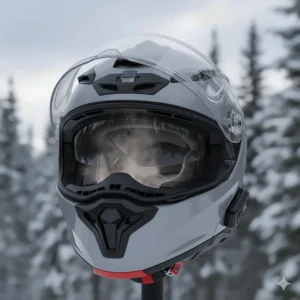
The LS2 Rapid combines European engineering with practical winter features, offering Pinlock-ready shields and efficient ventilation management. This LS2 Rapid uses LS2’s High Pressure Thermoplastic Technology for superior impact protection.
Key Specifications:
- DOT and ECE 22.05 certified
- Pinlock-ready shield included
- Quick-change shield system
- Dynamic flow-through ventilation
Price Range: $199-$249 CAD
The LS2 Rapid represents the sweet spot between budget and premium helmets, offering professional-level features at a mid-range price. The helmet’s two-shell sizing ensures proper fit across a wide range of head sizes while the multiport ventilation system can be precisely controlled for winter conditions.
✅ Pros:
- Excellent build quality
- Wide size range
- Proven track record
❌ Cons:
- Pinlock insert sold separately
- Medium weight
British Columbia riders appreciate the LS2 Rapid‘s versatility—it handles both wet coastal winters and occasional cold snaps equally well. The helmet’s UV-resistant shield protects against winter sun glare off snow.
7. ScorpionEXO Covert – Most Versatile Winter Helmet
The ScorpionEXO Covert revolutionizes winter helmet design with its patented 3-in-1 convertible system, allowing transformation from full-face to 3/4 to half helmet. This ScorpionEXO Covert features a removable front chin guard with magnetic attachment.
Key Specifications:
- US Patent D804,731 S
- Retractable tinted sun visor
- Removable cold weather accessories
- DOT FMVSS 218 certified
Price Range: $350-$425 CAD
What makes the ScorpionEXO Covert exceptional for Canadian riders is its adaptability. Start your morning commute in full-face configuration for maximum warmth, then convert to 3/4 mode during milder afternoon temperatures. The included rear comfort sleeve and front mask provide additional wind protection when needed.
✅ Pros:
- Ultimate versatility
- Premium build quality
- Innovative magnetic system
❌ Cons:
- Complex for new riders
- More expensive
Saskatchewan riders value the ScorpionEXO Covert‘s flexibility during prairie winters where temperatures can swing dramatically throughout the day. The helmet’s EverClear drop-down sun visor features anti-fog coating for clear vision in any light.
Understanding Breath Box Anti-Fog Systems
The breath box anti-fog system represents one of the most significant advances in winter helmet technology, particularly crucial for Canadian riders facing prolonged exposure to sub-zero temperatures. Understanding how these systems work helps you choose the right helmet and maintain it properly throughout winter.
How Breath Box Technology Works
A breath box channels exhaled air away from your visor through a precisely engineered pathway. Unlike simple breath deflectors that merely redirect air, true breath box systems create a sealed chamber that captures moisture-laden breath and vents it outside the helmet entirely. This prevents warm, humid air from contacting your cold visor surface where condensation would otherwise form immediately.
The ScorpionEXO AT960 demonstrates this technology at its finest with its BreathBox/Bib combination system. The bib component seals around your nose and mouth, directing all exhaled air through the breath box mechanism. Even during strenuous riding—when your breathing intensifies—the system maintains fog-free vision by efficiently evacuating moist air.
Breath Box vs. Pinlock: Which is Better?
Canadian riders often debate whether breath box systems or Pinlock anti-fog inserts provide superior performance. The truth is they serve complementary purposes and work best together. According to Pinlock’s official technology explanation, their anti-fog inserts create a thermal barrier using a silicone seal and moisture-absorbing material, while breath boxes prevent humid air from reaching the visor in the first place.
For extreme Canadian conditions, helmets combining both technologies—like the ILM Model 129 with its Pinlock insert and breath deflector—offer the most reliable fog-free performance. The breath box handles bulk moisture removal while the Pinlock provides a failsafe second layer of protection.
Maintenance Tips for Winter Breath Systems
Proper maintenance keeps your breath box system functioning optimally throughout winter. After each cold-weather ride, remove the breath box component and allow it to dry completely before storage. Moisture trapped in the system can freeze overnight, reducing effectiveness on your next ride. Clean breath channels monthly using mild soap and warm water, ensuring all ventilation pathways remain clear.
Thermal Insulation Liner Technology
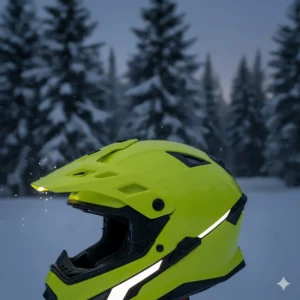
The thermal insulation liner separates quality winter motorcycle helmets from standard models, providing the critical interface between your head and Canada’s brutal winter temperatures. Advanced liner technology doesn’t simply add bulk for warmth—it actively manages heat retention and moisture control.
Multi-Layer Thermal Construction
Modern winter helmet liners employ sophisticated multi-layer construction, each serving a specific function. The innermost layer, typically moisture-wicking microfiber, pulls sweat away from your scalp to prevent that clammy, cold feeling. The middle insulation layer traps air pockets that retain body heat while remaining breathable. The outer protective layer interfaces with the helmet shell, providing cushioning for impact protection.
The ILM JK313‘s removable thermal liner demonstrates this layered approach effectively. Canadian riders report the liner provides genuine warmth without causing overheating during active riding, maintaining comfort across a temperature range from -15°C to +5°C. The removable design allows washing—crucial since winter riding generates perspiration despite cold conditions.
Moisture Management in Cold Weather
Understanding moisture management proves critical for winter riding comfort and safety. When you ride in cold weather, your body generates heat through exertion while outside temperatures attempt to pull that heat away. This temperature differential causes perspiration, and trapped moisture against your skin rapidly accelerates heat loss through evaporative cooling.
According to winter motorcycle safety experts at Michelle Linka Law, proper moisture-wicking base layers work synergistically with thermal helmet liners to maintain warmth. The helmet liner’s moisture management prevents the formation of ice crystals that can occur when sweat freezes against cold surfaces—a genuine problem during extended Canadian winter rides.
Removable vs. Integrated Liners
The debate between removable and integrated thermal liners involves trade-offs. Removable liners, found in most ILM and AUBOA models, offer practical advantages: they’re washable, replaceable, and allow thickness customization for perfect fit. You can even swap to a thinner liner during milder winter days or use extra-thick cold-weather liners for deep-freeze conditions.
Integrated liners, typically found in premium helmets like the ScorpionEXO Covert, provide seamless comfort and often superior fit since they’re permanently bonded to the helmet shell. However, they’re more challenging to clean and impossible to upgrade. For Canadian winter riders who face dramatic temperature swings, removable liners offer more versatility.
DOT vs. ECE Helmet Standards in Canada
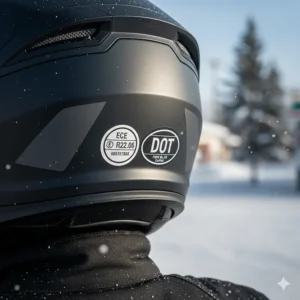
Navigating helmet safety certifications in Canada can confuse even experienced riders, but understanding these standards helps ensure you’re legally compliant while maximizing protection. Unlike some countries with single national standards, Canada accepts multiple international certifications, each with distinct testing protocols.
Canadian Legal Requirements by Province
According to the British Columbia government’s motorcycle safety regulations, Canadian provinces accept helmets certified to DOT FMVSS 218, Snell M2005/M2010/M2015, or ECE Regulation No. 22 standards. This flexibility allows Canadian riders to purchase helmets from American or European manufacturers without concern about legal compliance.
However, provincial regulations vary slightly. Quebec, for instance, has specific winter tire requirements for motorcycles, demonstrating the province’s stricter approach to seasonal riding. Ontario and British Columbia maintain similar standards, requiring visible certification labels on approved helmets. All provinces mandate helmet use for both riders and passengers, with no age exemptions.
DOT FMVSS 218 Standard
The DOT (Department of Transportation) FMVSS 218 standard represents America’s baseline helmet certification, widely accepted throughout Canada. DOT testing evaluates impact absorption, penetration resistance, and retention system strength. Manufacturers self-certify their helmets meet DOT standards, then the NHTSA conducts random market sampling to verify compliance.
Most budget-friendly winter helmets like the ILM JK313 and AUBOA AU-T801 carry DOT certification. While critics argue DOT standards lag behind European testing protocols, DOT-certified helmets provide adequate protection for street riding. The key advantage: DOT helmets typically cost less than ECE or Snell-certified alternatives while remaining legal across all Canadian provinces.
ECE 22.05 and 22.06 Standards
The ECE (Economic Commission for Europe) standard is gaining popularity among Canadian riders seeking internationally-recognized certification. ECE 22.05, recently updated to 22.06, requires independent laboratory testing before certification—unlike DOT’s manufacturer self-certification. According to FortNine’s helmet safety analysis, ECE testing includes more impact test points and evaluates factors like visor quality and chinstrap strength that DOT testing overlooks.
The ScorpionEXO AT960 and LS2 Rapid both carry ECE 22.05 certification, indicating they’ve passed Europe’s rigorous testing. ECE certification particularly suits Canadian winter riders because testing includes cold-weather performance evaluation—ensuring materials remain flexible and protective at low temperatures. If you plan international travel, ECE certification provides peace of mind that your helmet meets standards in over 50 countries.
Snell Memorial Foundation Standards
Snell certification represents the most stringent voluntary helmet testing available. The Snell Memorial Foundation, a non-profit organization, conducts independent testing that exceeds both DOT and ECE requirements. Snell M2020 (the current standard for motorcycles) includes multiple impact tests at the same location, more rigorous penetration testing, and higher retention system strength requirements.
However, Snell certification comes with trade-offs. Snell-certified helmets often feature thicker EPS foam to pass multiple-impact testing, increasing weight and reducing comfort for daily riding. Additionally, Snell doesn’t certify modular helmets, limiting options for winter riders who value flip-up convenience. For track riding or racing, Snell certification is often mandatory, but for Canadian street riding, DOT or ECE certification provides adequate protection.
Choosing the Right Size Winter Motorcycle Helmet
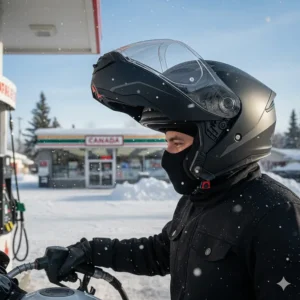
Proper helmet sizing becomes even more critical for winter riding since you’ll likely wear thermal balaclavas, skull caps, or other cold-weather headgear underneath your helmet. An improperly fitted winter helmet compromises both safety and comfort, potentially allowing cold air infiltration or creating dangerous pressure points during long rides.
Measuring Your Head Correctly
To measure your head size accurately, use a soft fabric measuring tape positioned one inch above your eyebrows and around the largest part of your skull. Keep the tape level and snug without pulling tight. Measure three times and use the largest measurement—heads aren’t perfectly round, and you want to ensure adequate space.
Most winter motorcycle helmets follow standard sizing: Small (55-56 cm), Medium (57-58 cm), Large (59-60 cm), XL (61-62 cm), and XXL (63-64 cm). However, manufacturers’ sizing varies significantly. The ILM JK313 typically runs slightly large, while ScorpionEXO helmets tend toward true-to-size or slightly snug fits. Always consult the specific manufacturer’s sizing chart before purchasing.
Testing Fit with Winter Gear
When testing helmet fit for winter use, wear the same thermal balaclava or skull cap you’ll use while riding. The helmet should fit snugly without painful pressure points. Check these fit indicators:
Pressure Distribution: The helmet should contact your entire head evenly—forehead, sides, and back—without concentrated pressure spots. Pressure points that feel minor in-store become painful after 30 minutes of winter riding.
Cheek Pad Contact: Your cheeks should contact the padding firmly without excessive compression. You shouldn’t be able to fit more than one finger between your cheek and the padding. The ILM 817 and LS2 Rapid offer interchangeable cheek pads for customized fit adjustment.
No Movement: With the chinstrap fastened, try rotating the helmet side-to-side and front-to-back. The skin on your face should move with the helmet. If the helmet shifts independently, it’s too large—dangerously so for crash protection.
Vision Clearance: Ensure your field of vision remains unobstructed when looking straight ahead and peripherally. Winter helmets with breath boxes or additional insulation can sometimes intrude on peripheral vision, particularly in smaller sizes.
Break-In Period Considerations
Quality helmet liners compress and conform to your head shape during the first few weeks of wear. This means a new winter helmet should feel slightly snug initially—almost uncomfortably so—knowing it will relax approximately 15-20% after break-in. The ScorpionEXO Covert‘s premium liners demonstrate this characteristic: initially quite firm, they mold perfectly to your head after several rides.
Never purchase a helmet that feels comfortable immediately, thinking it fits perfectly. That helmet will become dangerously loose after break-in, allowing excessive movement during riding and potential detachment in an accident. Canadian riders should conduct break-in rides during milder winter days when you can remove the helmet briefly if it feels overly tight.
If you’re between sizes and uncertain which to choose, opt for the smaller size, provided it doesn’t create painful pressure points. Contact manufacturers like ILM directly—they often send complimentary thicker or thinner cheek pads to fine-tune fit without returning the entire helmet.
Anti-Fog Visor Technology Explained
Fogging represents the most frustrating challenge for Canadian winter motorcycle riders, instantly transforming clear visibility into dangerous opacity. Understanding anti-fog technology helps you choose appropriate helmets and implement effective maintenance strategies for optimal winter riding safety.
The Science Behind Visor Fogging
Fogging occurs when warm, moisture-laden air contacts a cold surface, causing water vapour to condense into tiny droplets. During winter riding, this happens constantly: your breath contains significant moisture, the visor temperature matches frigid outside conditions, and the temperature differential creates ideal condensation conditions. Within seconds, your visor can completely fog over.
Traditional anti-fog coatings attempt to reduce surface tension, causing water to sheet rather than bead. However, these coatings degrade quickly and provide limited effectiveness in extreme Canadian conditions. Modern anti-fog technology employs more sophisticated approaches: dual-pane Pinlock systems, active heating, and engineered airflow management.
Pinlock Technology Deep Dive
Pinlock anti-fog inserts have revolutionized cold-weather riding since their introduction, and understanding their operation helps maximize effectiveness. A Pinlock insert is a thin polycarbonate lens with a silicone seal around its perimeter. This insert attaches to pins on your visor’s interior surface, creating a sealed air gap between the insert and visor.
This dual-pane configuration works exactly like double-pane windows in your home. The air gap provides insulation, keeping the inner surface (the Pinlock insert) warmer than the outside environment. Additionally, the Pinlock material itself absorbs moisture, preventing condensation buildup. According to Pinlock’s official technology, their inserts can absorb significant moisture while remaining transparent.
The ILM Model 817 and ILM Model 129 come with Pinlock 30 inserts specifically designed for snowmobile use and winter conditions. Pinlock 30 represents the entry-level specification, suitable for moderate cold and humidity. Pinlock 70 and 120 offer enhanced moisture absorption and optical clarity for more demanding conditions, though these higher specifications work equally well for winter motorcycle riding.
Installing and Maintaining Pinlock Inserts
Proper Pinlock installation dramatically affects performance. Before installation, clean both your visor and the Pinlock insert thoroughly using only mild soap and water—never harsh chemicals that can damage coatings. Remove all protective films from both surfaces. Position the Pinlock carefully against the visor pins, ensuring the silicone seal contacts the visor completely around the entire perimeter.
Adjust the pin tension using the provided eccentric adjustment mechanism. Too loose, and the air seal breaks, allowing fogging between the visor and insert. Too tight, and you’ll see optical distortion, particularly at the edges. The correct tension creates a complete seal without visible stress marks. Test your installation by breathing directly on the visor—if fogging appears between the layers, tighten the pins slightly.
Maintenance requires care. Never wipe the Pinlock surface when dry—this scratches the moisture-absorbing coating. Instead, rinse under running water and shake off excess droplets, allowing air drying. The Pinlock material saturates with moisture during winter rides. Between rides, remove the insert and allow it to dry completely in a warm (not hot) location. This moisture evacuation restores the insert’s absorption capacity for your next ride.
Heated Visor Systems
For extreme Canadian conditions, heated visor systems provide the ultimate anti-fog solution through active warming that prevents condensation formation. The ILM Model 129 supports optional heated shield upgrades, which integrate thin electrical heating elements throughout the visor surface.
Heated visors connect to your motorcycle’s electrical system via a power port, drawing approximately 15-20 watts. The gentle heating maintains the visor surface above the dew point, ensuring moisture never condenses regardless of conditions. This technology has proven itself in snowmobile applications where riders face sustained extreme cold and high-moisture conditions.
However, heated visors require careful consideration. They add complexity and cost, require professional installation or familiarity with electrical systems, and drain your motorcycle’s battery. For riders frequently facing temperatures below -20°C or extended winter touring, heated visors justify their complexity. For occasional winter commuting, quality Pinlock systems suffice.
Essential Winter Riding Safety Tips for Canadians
Winter motorcycle riding in Canada demands heightened awareness, specialized skills, and disciplined preparation beyond summer riding requirements. Understanding seasonal hazards and implementing proven safety strategies significantly reduces risk while maximizing enjoyment during extended Canadian riding seasons.
Cold Weather Risk Assessment
Before each winter ride, conduct a thorough risk assessment considering multiple factors beyond simple temperature. According to winter riding safety experts at RevZilla’s cold weather guide, windchill dramatically impacts both rider comfort and motorcycle function. A seemingly manageable -5°C ambient temperature becomes brutally cold at highway speeds, with effective windchill approaching -20°C or colder.
Road conditions deteriorate unpredictably during Canadian winters. Black ice—transparent ice patches nearly invisible to riders—forms when temperatures fluctuate around freezing. Early morning and late evening rides present maximum black ice risk when pavement temperatures drop below air temperatures. Areas under overpasses, shaded sections, and bridge surfaces freeze first and remain icy longest.
Road salt and cinders reduce traction significantly, creating conditions similar to loose gravel. Fresh salt application transforms road surfaces into slippery hazards before traffic grinds the salt into solution. Quebec and Ontario employ aggressive salting strategies, requiring extra vigilance immediately following winter storm road treatments.
Proper Winter Riding Gear Layering
Effective winter riding requires systematic layering beyond your helmet choice. Base layers should provide moisture-wicking properties—never cotton, which retains moisture and accelerates heat loss. Merino wool or synthetic performance fabrics work best, maintaining warmth even when dampened by perspiration.
Mid-layers provide insulation through trapped air. Fleece or down-filled garments work well, though down loses insulating properties when wet, making synthetic alternatives preferable for wet coastal winters. Your outer layer must block wind completely—even small gaps in coverage allow frigid air infiltration that negates all underlying insulation.
For extremities, heated gear becomes increasingly valuable as temperatures drop. Heated gloves or glove liners maintain finger dexterity critical for operating controls. Canadian riders report heated gear makes the difference between enjoyable winter riding and miserable endurance tests. Modern heated systems connect via USB power ports or directly to motorcycle electrical systems, providing reliable warmth throughout your ride.
Your winter motorcycle helmet integrates with this layering system. Use thin thermal balaclavas under your helmet rather than bulky winter hats that compromise fit. The ILM JK313‘s included neck scarf works synergistically with your jacket to seal the critical neck area where cold air otherwise infiltrates.
Adjusting Riding Technique for Winter
Winter riding technique differs substantially from summer habits. Reduce speed by 30-40% compared to summer rides on the same roads—icy patches and reduced tire traction demand significantly longer stopping distances. Smooth, progressive control inputs replace the crisp movements appropriate for warm, dry conditions.
Braking requires particular attention during winter. Apply brakes gradually, testing for traction before committing to aggressive stopping. If you feel the wheels lock or slide, immediately release pressure and reapply more gently. ABS-equipped motorcycles provide significant advantages during winter riding, though ABS cannot overcome physics—it simply helps maintain control during maximum traction braking.
Tire warmup becomes critical during winter. Cold tires provide substantially reduced grip compared to warm tires, and winter temperatures keep rubber cold for extended periods. The first 10-15 minutes of each winter ride represent maximum vulnerability. Avoid aggressive acceleration, hard braking, or rapid direction changes until your tires warm sufficiently.
Pre-Ride Motorcycle Preparation
Canadian winter riding demands more thorough pre-ride inspection than summer equivalents. According to Canada Powersports Financing winter safety tips, your motorcycle’s battery capacity decreases significantly in cold temperatures. Ensure full charge before winter rides and consider battery tender maintenance between rides.
Engine oil viscosity increases as temperatures drop, making cold starts more difficult and increasing engine wear. Use manufacturer-recommended winter-weight oil or synthetic oils that maintain proper viscosity across extreme temperature ranges. Allow extended warm-up periods—at least 5 minutes—before riding, ensuring oil circulates throughout the engine.
Tire pressure drops approximately 1 PSI for every 10°F temperature decrease. Check and adjust tire pressure before each winter ride, as underinflated tires reduce traction and handling precision. However, don’t overinflate attempting to compensate—proper pressure maintains optimal contact patch for maximum available grip.
Antifreeze protection deserves verification before winter riding begins. Engine coolant should provide protection to at least -40°C, standard for Canadian automotive applications. However, older motorcycles or those maintained in warmer climates may have insufficient antifreeze concentration. Testing costs little and prevents catastrophic engine damage from coolant freezing.
Sub-Zero Temperature Riding Strategies
Riding in sub-zero temperatures represents the extreme edge of Canadian motorcycle culture, demanding specialized strategies, exceptional gear, and realistic understanding of limitations. While manageable with proper preparation, sub-zero riding isn’t for everyone—knowing when to park your bike demonstrates wisdom, not weakness.
Understanding Cold Weather Physiology
Human bodies respond predictably to extreme cold exposure, and recognizing these physiological responses helps maintain safety during sub-zero rides. Peripheral vasoconstriction—narrowing of blood vessels in extremities—occurs when core body temperature drops, redirecting warm blood to vital organs. This protective mechanism results in cold fingers and toes, reducing dexterity needed for motorcycle control.
Shivering represents your body’s emergency heating mechanism, generating warmth through rapid muscle contractions. However, intense shivering compromises riding ability, causing involuntary control inputs and reduced situational awareness. If you begin shivering uncontrollably during a ride, seek shelter immediately—you’re approaching dangerous hypothermia territory.
Cognitive function deteriorates measurably during cold exposure. Decision-making, reaction time, and risk assessment all suffer as body temperature drops. This creates insidious danger: you may not recognize your impairment until it reaches dangerous levels. According to cold weather riding physiology research, riders should establish predetermined turnaround criteria—specific conditions that trigger immediate ride termination regardless of destination distance.
Gear for Extreme Cold
Sub-zero riding demands premium gear beyond standard winter equipment. Your winter motorcycle helmet should feature every available cold-weather technology: Pinlock anti-fog, breath box systems, and ideally heated visor capability. The ILM Model 129 with optional heated shield represents appropriate technology for sustained sub-zero exposure.
Battery-powered or motorcycle-integrated heated gear transforms from luxury to necessity at extreme temperatures. Heated grips alone prove insufficient—you need heated gloves or glove liners, heated jacket liner, and potentially heated pants for rides longer than 30 minutes. Modern heated gear features temperature control, allowing adjustment as conditions change.
Balaclava choice matters significantly. Avoid cotton or cheap synthetics that lose insulating value when dampened by breath moisture and sweat. Quality merino wool or performance synthetic balaclavas maintain warmth while wicking moisture. Some riders prefer neoprene lower face masks that block wind absolutely, though these can create breathing condensation issues inside your helmet.
Ride Planning for Extreme Conditions
Sub-zero rides require conservative planning accounting for multiple failure scenarios. Identify warm rest stops every 45-60 minutes maximum—longer exposure risks hypothermia even with excellent gear. Gas stations, coffee shops, or fast-food restaurants provide shelter for warming breaks. During these stops, remove your helmet briefly, allowing moisture evaporation and preventing ice buildup inside the liner.
Route selection should avoid challenging roads that demand aggressive maneuvering. Highway riding at moderate speeds typically proves safer than urban traffic navigation requiring frequent stops, acceleration, and direction changes. However, highways create severe windchill—balance these competing factors based on your specific ride.
Emergency preparedness becomes critical during sub-zero riding. Carry extra glove liners, chemical hand warmers, and an emergency bivy sack in case of breakdown. Ensure your phone remains charged and warm—batteries discharge rapidly in extreme cold. Inform someone of your route and expected arrival time, providing safety backup if problems arise.
Never ride alone during sub-zero conditions unless absolutely necessary. A riding companion provides immediate assistance if you encounter problems, from mechanical failure to hypothermia onset. Two riders together face dramatically reduced risk compared to solo sub-zero adventures.
Maintaining Your Winter Motorcycle Helmet
Proper maintenance extends your winter motorcycle helmet’s lifespan while ensuring optimal performance throughout Canadian riding seasons. Winter conditions accelerate wear through moisture exposure, thermal cycling, and salt contamination, making diligent care essential rather than optional.
Post-Ride Cleaning Procedures
After each winter ride, establish a consistent cleaning routine preventing damage accumulation. Road salt proves particularly destructive to helmet components, corroding metal fasteners, degrading foam, and damaging ventilation mechanisms. Even if you can’t see salt residue, assume it’s present on your helmet exterior after Canadian winter rides.
Rinse your helmet’s exterior with lukewarm water immediately after rides, focusing on ventilation openings, shield mechanisms, and retention system hardware. Never use hot water, which can damage adhesives and warp plastic components. Use mild soap if necessary, but avoid harsh cleaners or solvents that attack helmet materials.
The interior liner requires different treatment. Remove the liner if your helmet (like the ILM JK313 or AUBOA AU-T801*) features removable padding. Hand wash with gentle laundry detergent and lukewarm water, rinse thoroughly, and air dry completely before reinstalling. Never machine wash liners—the agitation damages foam and distorts shape. For non-removable liners, spot clean with damp cloth and mild soap, then allow thorough air drying.
Visor and Anti-Fog System Care
Visor maintenance demands particular attention, as scratches or degradation compromise visibility dramatically. Never wipe your visor dry using paper towels or rough cloths—these create microscopic scratches that accumulate into noticeable haziness. Instead, rinse under running water first, removing abrasive particles, then gently pat dry with microfiber cloth.
Anti-fog coatings degrade with improper cleaning. Many budget helmets use spray-applied anti-fog treatments that last only weeks with regular use. Reapply anti-fog spray periodically, following manufacturer directions carefully. Higher-quality factory-applied coatings last longer but still require gentle care—harsh cleaners strip these protective layers.
For Pinlock systems, the insert requires separate maintenance from the visor. Remove your Pinlock insert weekly during active winter riding, rinse both surfaces, and allow complete air drying. The silicone seal attracts dirt and moisture—clean it gently, ensuring no residue remains that might compromise the air-tight seal upon reinstallation.
Storage Between Rides
Proper storage between rides prevents moisture damage and maintains helmet integrity. Never store your helmet immediately after riding while still damp inside. Remove all removable components—neck scarfs, liners, Pinlock inserts—and allow everything to dry completely in a warm, well-ventilated location.
Store your helmet in a cool, dry location away from direct sunlight and heat sources. UV radiation degrades helmet materials over time, reducing impact protection. Extreme heat similarly damages EPS foam, reducing its energy-absorption capacity. A closet shelf works perfectly—avoid garages where temperature extremes occur.
Use a helmet bag or box for storage protection. This prevents accidental impacts that might damage the shell and keeps dust accumulation minimal. Never hang your helmet by the chinstrap—this stresses retention system components unnecessarily. Instead, place the helmet on a shelf with the opening downward, or use a proper helmet stand.
When to Replace Your Winter Helmet
Even with excellent maintenance, helmets require eventual replacement. Most manufacturers recommend replacement every 5 years regardless of visible damage, as materials degrade over time from UV exposure, moisture, and temperature cycling. Canadian winter conditions accelerate this aging process through extreme temperature fluctuations and moisture exposure.
Replace your helmet immediately after any significant impact, even if no visible damage appears. The EPS foam crushes during impact, absorbing energy—this crushing is permanent, and the helmet loses protective capability. Many helmets feature one-time-use crush indicators that reveal impact history.
Visual inspection reveals some replacement indicators: cracks in the shell, compressed foam visible through ventilation openings, deteriorated retention system webbing, or degraded visor mechanisms. If your helmet’s visor no longer seals properly, allowing wind noise infiltration, replacement might prove more economical than attempting repairs. The ScorpionEXO helmets typically offer replacement parts availability, extending useful life, while budget helmets like the ILM JK313 may prove difficult to repair economically.
FAQ: Winter Motorcycle Helmets Canada
❓ Can you ride a motorcycle in winter in Canada legally?
❓ How cold is too cold for motorcycle riding in Canada?
❓ Do I need a Pinlock insert for Canadian winter riding?
❓ What's the best helmet certification for Canadian winter riding?
❓ How much should I spend on a winter motorcycle helmet in Canada?
Conclusion: Choosing Your Perfect Winter Motorcycle Helmet
Selecting the right winter motorcycle helmet for Canadian conditions represents a balance between budget, features, and your specific riding requirements. Throughout this comprehensive guide, we’ve explored seven exceptional options ranging from the budget-friendly AUBOA AU-T801 at $89 CAD to the premium ScorpionEXO AT960 at $550 CAD, each offering distinct advantages for different riding scenarios.
For riders prioritizing value without sacrificing winter essentials, the ILM Model JK313 delivers removable neck scarf warmth and DOT protection at an affordable $119-$139 CAD price point. Those battling persistent fogging issues will appreciate the ILM Model 817‘s included Pinlock 30 system, providing reliable anti-fog performance in temperatures down to -20°C. Adventure riders and those seeking ultimate winter versatility should consider the ScorpionEXO AT960‘s professional-grade BreathBox technology and modular design, despite its premium pricing.
Remember that even the most advanced winter motorcycle helmet cannot overcome poor judgment. Monitor weather forecasts vigilantly, establish personal temperature thresholds, and never hesitate to park your bike when conditions exceed safe limits. The Canadian winter riding season rewards preparation and respect for challenging conditions with extended riding opportunities many fair-weather riders miss.
Your helmet choice fundamentally impacts winter riding enjoyment and safety. Prioritize proper fit, winter-specific features like breath box anti-fog systems and thermal insulation liners, and appropriate safety certification over brand prestige or cosmetic appeal. Whether you choose the budget-conscious ILM JK313, the feature-rich ILM 817, or the premium ScorpionEXO AT960, proper maintenance and realistic riding limits ensure years of safe Canadian winter adventures.
As we move into 2026, helmet technology continues advancing with improved anti-fog systems, lighter materials, and better thermal management. Canadian riders now enjoy access to winter motorcycle helmets that would have seemed impossible a decade ago—helmets that genuinely eliminate fogging, provide comfortable warmth in extreme cold, and integrate seamlessly with heated gear systems. Take advantage of these technological advances, invest in quality winter equipment, and embrace extended riding seasons safely.
The Canadian winter riding community grows annually as equipment improves and riders discover the unique satisfaction of mastering challenging conditions. With the right winter motorcycle helmet and proper preparation, you’ll join experienced Canadian riders who refuse to let cold temperatures curtail their passion for motorcycling.
Recommended for You
- 7 Best Quiet Full Face Motorcycle Helmets Canada 2026
- 7 Best Full Face Helmet Under 300 Canada 2026
- 7 Best Full Face Motorcycle Helmet Canada 2026
Disclaimer: This article contains affiliate links to Amazon.ca. If you purchase products through these links, we may earn a small commission at no additional cost to you.
✨ Found this helpful? Share it with your friends! 💬🤗
