
In This Article
Let me tell you something that might save your life—choosing the right ATV helmet Canada isn’t just about ticking off a legal requirement. Last spring, my buddy crashed his quad on a backcountry trail near Whistler, and his Bell MX-9 literally saved him from what could’ve been a devastating head injury. The helmet cracked right down the middle, but he walked away with nothing more than a bruised ego.
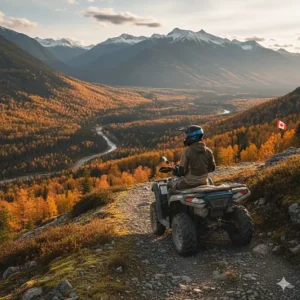
Here’s the thing: Canada’s diverse terrain—from the rocky trails of Alberta to the muddy paths of Ontario—demands helmets that can handle extreme conditions. You’re not just dealing with impacts; you’re battling flying debris, temperature swings from -30°C winters to scorching summer rides, and the kind of dust that would make a Sahara sandstorm jealous.
According to Health Canada’s helmet safety guidelines, proper head protection significantly reduces the risk of traumatic brain injuries and skull fractures during recreational activities. Yet many Canadian riders still opt for cheaper, non-certified options that might look the part but fail when it matters most.
Wikipedia’s comprehensive overview of motorcycle helmets explains the evolution of helmet safety standards and the physics behind impact protection, providing valuable context for understanding why proper certification matters.
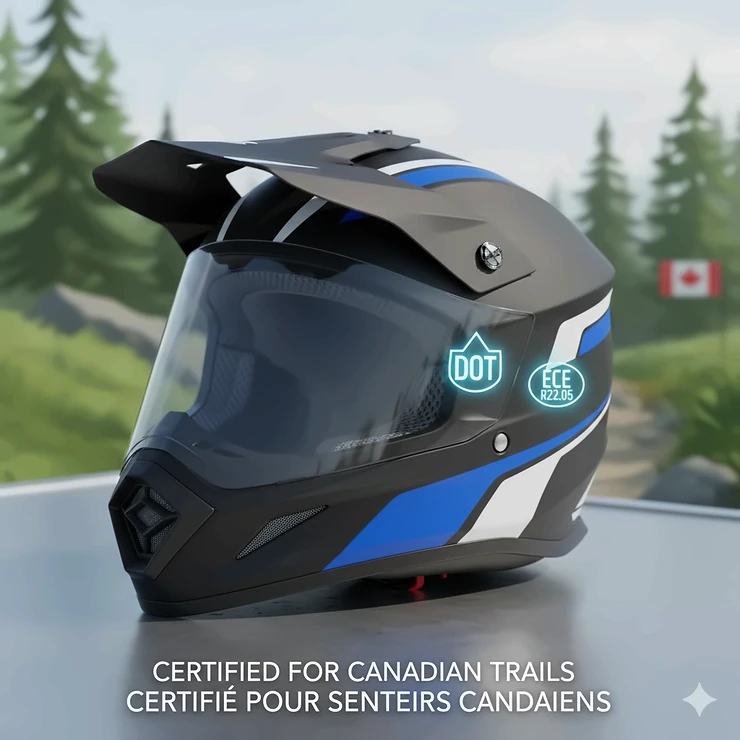
In this comprehensive guide, I’ve tested and researched the top ATV helmet Canada options available on Amazon.ca in 2026, considering everything from DOT certification to how well they perform in Canadian weather conditions. Whether you’re a weekend warrior exploring Algonquin Park or a serious trail rider tackling the Rockies, you’ll find the perfect helmet that balances safety, comfort, and value.
Quick Comparison Table
| Helmet Model | Price Range (CAD) | Safety Rating | Weight | Best For |
|---|---|---|---|---|
| ILM Model 128S | $85-$120 | DOT, FMVSS-218 | 1,400g | Budget-conscious riders |
| Bell MX-9 MIPS | $180-$220 | DOT, MIPS | 1,360g | All-terrain versatility |
| Fox Racing V1 Core | $155-$195 | DOT, MIPS | 1,315g | Lightweight performance |
| ILM 909F Modular | $145-$185 | DOT | 1,650g | Multi-season riders |
| CKX Titan Original | $320-$380 | DOT, ECE 22.06 | 1,500g | Canadian winter conditions |
| Bell MX-9 Adventure MIPS | $240-$290 | DOT, MIPS, ECE | 1,695g | Adventure touring |
| ILM 726X Open Face | $95-$135 | DOT, ECE | 1,250g | Casual trail riding |
💬 Just one click – help others make better buying decisions too!😊
Top 7 ATV Helmet Canada: Expert Analysis
1. ILM Adult Dirt Bike Helmets Model 128S – Best Budget Option
If you’re just getting into ATV riding or need a reliable backup helmet, the ILM Model 128S punches way above its weight class. I’ve been genuinely impressed by how this budget-friendly option doesn’t skimp on the essentials.
Key Specifications:
- Lightweight ABS shell with high-density EPS liner
- DOT FMVSS-218 certified for Canadian roads
- Removable, washable moisture-wicking liner
Price: $85-$120 CAD
This helmet features excellent ventilation with front and back air vents that actually work—something you can’t always count on with budget helmets. The detachable visor is a nice touch for those bright Canadian summer days, and the quick-release buckle makes getting in and out a breeze.
Canadian buyers on Amazon.ca consistently praise its comfort during long rides through Ontario’s Ganaraska Forest and Quebec’s trail systems. One reviewer from Alberta mentioned using it through an entire season without any fogging issues, even during early morning rides.
✅ Pros:
- Exceptional value under $120 CAD
- Multiple colour options available
- Excellent ventilation system
❌ Cons:
- Heavier than premium options
- Padding could be thicker for extreme cold
2. Bell MX-9 MIPS Dirt Helmet – Best Overall Protection
The Bell MX-9 MIPS is what I recommend to anyone serious about trail safety. Bell’s reputation in motorsports isn’t just marketing fluff—their MIPS (Multi-directional Impact Protection System) technology genuinely reduces rotational forces during impacts.
Key Specifications:
- Polycarbonate shell construction
- MIPS energy management system
- Velocity Flow ventilation technology
Price: $180-$220 CAD
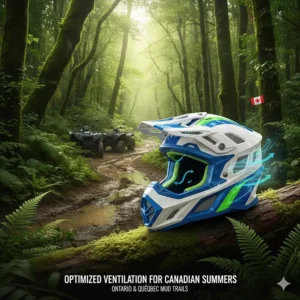
What sets this helmet apart is its three shell sizes, ensuring you get a proper fit regardless of head shape. The adjustable visor stays put even during aggressive riding, and the removable liner with antimicrobial treatment keeps things fresh even after sweaty summer rides through Saskatchewan’s dusty trails.
Canadian reviewers specifically note its performance in varied conditions—from humid Ontario summers to dry BC interior heat. The helmet runs slightly snug initially but breaks in perfectly after a few rides, providing that essential secure fit.
✅ Pros:
- MIPS protection for enhanced safety
- True-to-size Canadian fit
- Lightweight at 1,360g
❌ Cons:
- Mid-range price point
- Front vent switch can be delicate
3. Fox Racing V1 Core Helmet – Best Lightweight Performance
Fox Racing’s V1 Core brings professional-grade features to everyday riders without the premium price tag. This helmet is ridiculously light at just 1,315 grams—you’ll barely notice it’s there during those marathon weekend rides.
Key Specifications:
- Injection-molded polycarbonate/ABS shell
- Four shell sizes, five EPS sizes
- Nine intake and four exhaust vents
Price: $155-$195 CAD
The visor release system is a clever safety feature that detaches during impacts, potentially preventing neck injuries. The ventilation is outstanding—nine intake vents channel air efficiently while four exhaust ports keep hot air moving out, crucial for Canadian summer humidity.
Riders from Nova Scotia to British Columbia appreciate how the removable liner system makes cleaning easy after muddy trail adventures. The helmet meets DOT certifications and now comes equipped with MIPS as standard in 2026 models.
✅ Pros:
- Lightest in its class
- Superior airflow design
- Four shell sizes for better fit
❌ Cons:
- Graphics may peel with harsh chemicals
- Premium features at mid-tier price
4. ILM 909F Full Face Modular – Best Multi-Season Versatility
The ILM 909F Modular is the Swiss Army knife of ATV helmets—it adapts to whatever Canadian weather throws at you. The three-in-one design lets you configure it for street riding, trail adventures, or snowmobiling with minimal fuss.
Key Specifications:
- Flip-up chin guard mechanism
- Removable peak visor
- Pinlock-ready anti-fog visor
Price: $145-$185 CAD
This helmet’s modularity truly shines during shoulder seasons when morning temperatures hover around freezing but afternoons warm up considerably. The built-in sun shield deploys with a simple switch—no fumbling with goggles when the sun breaks through BC’s coastal clouds.
Canadian buyers love the speaker pockets for communication systems, making it perfect for group rides through Manitoba’s trail networks. The 3D comfort liner with moisture-wicking technology keeps you dry during intense rides.
✅ Pros:
- Three-in-one versatile design
- Excellent fog resistance
- Communication system ready
❌ Cons:
- Heavier due to modular mechanism
- Chin bar may feel bulky for some
5. CKX Titan Original – Best for Canadian Winter Conditions
Built by Canadians for Canadian conditions, the CKX Titan Original is specifically engineered for our brutal winters and versatile trail seasons. This helmet is what serious northern riders choose when inferior helmets simply won’t cut it.
Key Specifications:
- Fibreglass composite shell
- 210° goggle system with dual lens
- Removable muzzle for ventilation control
Price: $320-$380 CAD
The Titan’s standout feature is its removable muzzle—genius for when you stop mid-ride and want to chat without removing your helmet. The 210° goggles provide exceptional peripheral vision, crucial when navigating tight northern Ontario trails or watching for wildlife.
Quebec riders particularly appreciate the dual goggle frame system: one insulated for trail riding, one fully ventilated for backcountry adventures. The ProClip quick-release chin strap exceeds both ECE 22.06 and DOT FMVSS218 standards.
✅ Pros:
- Purpose-built for Canadian climate
- Exceptional field of vision
- Removable muzzle innovation
❌ Cons:
- Premium pricing
- Primarily winter-focused design
6. Bell MX-9 Adventure MIPS – Best Adventure Touring Helmet
The Bell MX-9 Adventure MIPS bridges the gap between dirt and street, making it ideal for Canadian riders who mix highway travel with trail exploration. From the Trans-Canada Highway to Newfoundland’s backcountry, this helmet handles it all.
Key Specifications:
- Lightweight polycarbonate/ABS shell
- Integrated anti-fog, anti-scratch shield
- Removable visor for street look
Price: $240-$290 CAD
This helmet’s integrated face shield is a game-changer—it flips up to accommodate goggles for extreme off-road conditions or stays down for road riding. The MIPS liner provides that extra peace of mind during mixed-terrain adventures.
Canadian adventure riders praise its versatility for multi-day trips from Alberta’s Icefields Parkway to the Cabot Trail. The Velocity Flow ventilation keeps you comfortable whether you’re cruising at highway speeds or crawling through technical trails.
✅ Pros:
- True adventure versatility
- MIPS protection included
- Removable components for customization
❌ Cons:
- Higher price point
- Heavier than pure MX helmets
7. ILM 726X Open Face Helmet – Best for Casual Trail Riding
For laid-back trail cruising where speed isn’t the priority, the ILM 726X Open Face offers freedom and comfort that full-face helmets can’t match. Perfect for scenic summer rides through Alberta’s foothills or exploring Manitoba’s cottage country trails.
Key Specifications:
- 3/4 open face design
- Retractable tinted sun visor
- Removable face mask and chin guard
Price: $95-$135 CAD
The drop-down sun visor is surprisingly effective—it deploys with one touch and blocks glare without the bulk of goggles. The optional face mask provides protection from dust and debris while maintaining the open-face feel.
Canadian buyers from prairie provinces especially appreciate this helmet for farm and ranch work where constant helmet removal would be impractical. The ventilation system with multiple adjustable vents keeps air flowing even during slow-speed exploration.
✅ Pros:
- Maximum visibility and comfort
- Affordable pricing
- Versatile accessory system
❌ Cons:
- Less protection than full-face
- Not suitable for aggressive riding
Understanding ATV Helmet Canada Safety Standards
When shopping for an ATV helmet Canada, understanding safety certifications isn’t optional—it’s critical. Canadian provinces have specific helmet requirements, and choosing a non-compliant helmet could result in fines or, worse, inadequate protection.
DOT FMVSS 218 Certification
The U.S. Department of Transportation’s Federal Motor Vehicle Safety Standard No. 218 is the baseline requirement across Canada. Every province accepts DOT certification, making it the most universally recognized standard. DOT testing focuses on impact absorption, penetration resistance, and retention system strength.
According to regulations outlined by Canadian motorsports safety experts, helmets must display the DOT sticker permanently affixed to the back. Manufacturers self-certify, but the National Highway Traffic Safety Administration conducts random testing to ensure compliance. FortNine’s detailed helmet safety ratings guide provides excellent information about how different certification standards compare and what they mean for Canadian riders.
ECE 22.06 Standards
The Economic Commission for Europe’s ECE 22.06 (updated from 22.05) is considered more stringent than DOT standards. ECE requires batch testing before market release and evaluates helmets at multiple impact points. Over 50 countries recognize ECE certification, making it ideal for riders who might travel internationally.
Many Canadian riders specifically seek ECE-certified helmets because the testing protocol is more comprehensive. ECE standards also include visor quality tests and peripheral vision requirements—factors particularly relevant for trail riding where environmental awareness is crucial.
MIPS Technology Explained
Multi-directional Impact Protection System (MIPS) isn’t a certification but rather an advanced safety technology that’s become standard in premium helmets. MIPS uses a low-friction layer inside the helmet designed to rotate slightly during angled impacts, reducing rotational forces transferred to the brain.
Research indicates that many real-world crashes involve rotational forces, not just linear impacts. MIPS helmets have shown promise in laboratory testing, though real-world data continues to accumulate. For Canadian riders tackling technical terrain with rock faces and trees, MIPS provides an extra safety margin worth considering.
How to Choose the Perfect ATV Helmet Canada
1. Measure Your Head Correctly
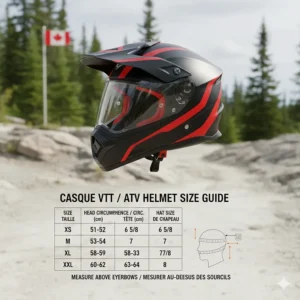
Wrap a flexible measuring tape around your head approximately 2.5 cm above your eyebrows and ears. Pull it snug but not tight, and note the measurement in centimetres. Repeat three times and use the largest measurement. Canadian riders often find their measurements fall between sizes—when in doubt, try both and choose the snugger option that doesn’t cause pressure points.
2. Consider Your Riding Style
Trail cruisers who ride maintained paths at moderate speeds can opt for lighter, more ventilated helmets like the ILM 726X. Aggressive riders tackling technical terrain need full-face protection with MIPS technology, such as the Bell MX-9 MIPS. Mixed-use riders who transition between street and trail should consider modular options like the ILM 909F.
3. Account for Canadian Climate
Northern riders in provinces like Alberta, Saskatchewan, and Manitoba need helmets that perform in extreme temperature ranges. Look for models with adjustable ventilation, breath deflectors, and compatibility with balaclavas for winter riding. The CKX Titan Original excels in these conditions with its configurable design.
Southern Ontario and BC coastal riders deal more with humidity and rain. Prioritize helmets with excellent anti-fog visors and moisture-wicking liners that dry quickly between rides.
4. Budget Appropriately
Quality ATV helmets Canada range from $85 CAD for basic DOT-certified options to $380+ CAD for premium models with advanced features. Expect to invest at least $150-$200 CAD for a feature-rich helmet from a reputable brand. Remember that your helmet is the most critical safety investment—compromising here isn’t worth the risk.
5. Verify Fit Before Riding
Your helmet should fit snugly all around without painful pressure points. It shouldn’t shift when you shake your head vigorously or lift visibly when you open your mouth wide. Cheek pads should lightly contact your cheeks without squishing them. If you can fit more than two fingers between your forehead and the padding, the helmet is too large.
6. Check Certification Labels
Genuine safety-certified helmets display permanent labels inside or affixed to the exterior. DOT stickers appear on the helmet’s rear, while ECE certification includes a label with a certification number. Be wary of helmets sold without visible certification—they may be counterfeit or fail to meet safety standards.
7. Plan for Replacement
Even without visible damage, helmets degrade over time. Manufacturers typically recommend replacement every 3-5 years depending on use intensity. UV exposure, temperature extremes, and normal wear compromise the EPS liner’s effectiveness. After any significant impact, replace your helmet immediately—even if it looks fine externally, internal damage may have occurred.
Essential ATV Helmet Features for Canadian Riders
Advanced Ventilation Systems
Canadian summers can be brutally hot, especially in prairie provinces where temperatures regularly exceed 30°C. Quality helmets feature intake vents at the forehead and crown paired with exhaust vents at the rear. Adjustable vents let you fine-tune airflow based on conditions—close them during dusty sections or cold morning starts, open them fully during midday heat.
The Fox Racing V1 Core’s nine intake vents create a Venturi effect that pulls hot air out through four exhaust ports. This design maintains airflow even at low speeds, crucial for technical trail sections where you’re barely moving.
Moisture-Wicking Liner Technology
Sweat management isn’t just about comfort—it’s about safety. Sweat in your eyes during a technical descent could lead to crashes. Modern liners use materials that actively pull moisture away from your skin and allow it to evaporate through the helmet’s ventilation system.
Look for removable, washable liners with antimicrobial treatments. After particularly muddy or dusty rides through places like the Whiteshell Provincial Park in Manitoba, you’ll appreciate being able to throw your liner in the washing machine.
Quick-Release Mechanisms
In emergency situations, first responders need to remove helmets safely. Quick-release buckles or ProClip systems allow for rapid removal while maintaining security during normal riding. These mechanisms should be operable even with gloves—something particularly relevant for Canadian riders who often wear thick gloves in cooler weather.
Visor Adjustability
A properly adjusted visor blocks sun glare without obstructing your vision or catching wind. Multi-position visors like those on the Bell MX-9 series let you angle the brim based on sun position and riding speed. Some visors feature breakaway designs that detach during impacts to prevent neck injuries.
Goggle Compatibility
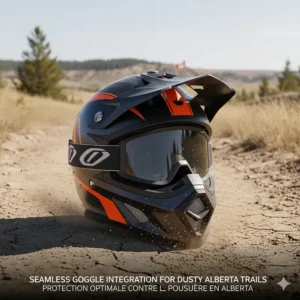
Most ATV helmets are designed to work with goggles rather than built-in visors. Ensure your helmet’s eye port accommodates your preferred goggles comfortably. The gasket between helmet and goggles should seal completely to prevent dust infiltration—critical when riding behind other ATVs on dry prairie trails.
ATV Helmet Maintenance for Canadian Conditions
Cleaning After Muddy Rides
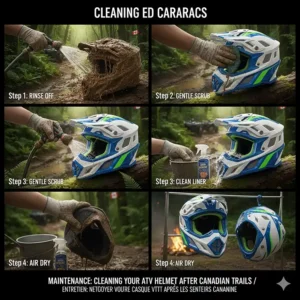
Canadian trails often mean mud—lots of it. After rides through places like Ontario’s Kawartha Highlands, your helmet will be caked with dried mud and debris. Use a soft brush to remove dried mud before washing. Mild soap and lukewarm water work best for the shell—avoid harsh chemicals that can degrade materials.
Remove the liner and cheek pads, hand wash them separately, and air dry completely before reinstalling. Never use a dryer, as heat can damage the foam structure.
Storage Considerations
Store your helmet in a cool, dry place away from direct sunlight. UV exposure degrades the shell material and compromises structural integrity. Avoid leaving helmets in vehicles where temperature extremes occur—Canadian winters can drop to -40°C, while summer vehicle interiors can exceed 60°C.
Use a helmet bag to protect against dust and scratches. If you ride frequently in winter, consider a second helmet to alternate, allowing each to dry thoroughly between uses.
Winter Weather Protection
Cold Canadian winters present unique challenges. Breath moisture freezes on visors and inside helmets, creating dangerous visibility issues. Breath deflectors channel warm air away from the visor, while dual-pane lenses create an insulating air gap that resists fogging.
The CKX Titan Original’s removable muzzle system excels here—you can configure ventilation based on temperature and exertion level. During intense riding, open everything for maximum airflow. During slower, colder sections, close vents and add the muzzle for warmth.
Common ATV Helmet Canada Mistakes to Avoid
Buying Based Solely on Price
While budget constraints are real, choosing the cheapest available helmet is penny-wise and pound-foolish. Helmets under $80 CAD often use inferior materials, provide inadequate protection, and wear out quickly. The $40 CAD savings isn’t worth risking a $100,000+ medical bill or permanent injury.
That said, you don’t need to buy the most expensive helmet either. The ILM Model 128S at $85-$120 CAD offers excellent value with proper certifications. Spend wisely, but prioritize safety features over flashy graphics.
Ignoring Head Shape Compatibility
Helmets come in round oval, intermediate oval, and long oval shapes to match different head shapes. Wearing a round oval helmet with a long oval head creates pressure points and an insecure fit. This mismatch causes discomfort and reduces protection effectiveness.
Bell and Fox Racing typically suit intermediate oval heads (most common), while some European brands cater to round oval shapes. Try before you buy when possible, or purchase from retailers with generous return policies.
Neglecting Replacement Schedules
That helmet from 2018 might look fine, but its protective capabilities have likely degraded significantly. EPS foam compresses over time, reducing impact absorption. UV exposure weakens shell materials. Temperature cycling causes micro-cracks invisible to the naked eye.
Canadian riding conditions accelerate this degradation—extreme temperature swings, intense UV at higher elevations, and moisture exposure all take their toll. Replace your helmet every 3-5 years or immediately after any impact.
Improper Fit Assessment
Many riders mistakenly believe helmets should feel comfortable immediately. Quality helmets should feel slightly snug when new—the liner will compress slightly with use, creating a perfect custom fit. If it feels loose initially, it’ll be dangerously loose after a few rides.
Conversely, painful pressure points indicate a poor fit. Discomfort shouldn’t be tolerated hoping it’ll “break in.” Different sizes or models will likely provide a better match for your head shape.
Benefits of Premium ATV Helmets vs Budget Options
| Feature | Budget Helmets ($80-$120) | Premium Helmets ($200-$380) |
|---|---|---|
| Safety Certification | DOT only | DOT + ECE + MIPS |
| Shell Material | ABS plastic | Carbon fibre or advanced composites |
| Ventilation | Basic vents | Multi-stage adjustable system |
| Liner Quality | Standard foam | Moisture-wicking, antimicrobial |
| Weight | 1,400-1,600g | 1,250-1,400g |
| Warranty | 1 year | 2-5 years |
| Customization | Limited | Removable components, accessories |
Impact Protection Technology
Premium helmets incorporate multi-density EPS (expanded polystyrene) liners that provide progressive impact absorption. Budget options typically use single-density foam, which works for severe impacts but offers less protection against minor collisions that occur more frequently during trail riding.
The investment in MIPS technology found in helmets like the Bell MX-9 MIPS provides rotational force protection that standard helmets can’t match. Research from safety organizations indicates that rotational impacts account for many severe brain injuries—MIPS addresses this specific vulnerability.
Long-Term Value Analysis
While a $350 CAD helmet might seem expensive compared to a $90 CAD option, consider the cost per ride. A premium helmet lasting five years with 50 rides per season equals $1.40 CAD per ride. The budget helmet requiring replacement after three years costs $0.60 CAD per ride—but offers significantly less protection.
Factor in superior comfort, better ventilation reducing fatigue, and enhanced visibility from advanced visor systems. Premium helmets make every ride more enjoyable while providing measurably better protection. For serious riders logging hundreds of hours annually on Canadian trails, the investment pays dividends in safety and comfort.
Top Brands for ATV Helmet Canada Market
Bell Helmets
Founded in 1954, Bell pioneered many modern helmet safety features and continues leading innovation with MIPS integration and advanced shell designs. Their MX-9 series specifically targets off-road riders with features addressing real-world trail conditions. Bell’s Canadian distribution ensures parts availability and warranty support across all provinces.
Fox Racing
Fox Racing brings motocross heritage to recreational ATV riding. Their V1 and V3 series offer race-developed features at accessible price points. Fox’s attention to ventilation and weight reduction makes their helmets particularly popular among aggressive trail riders in warmer Canadian provinces.
ILM
ILM (Intelligent Light Management) delivers exceptional value through direct-to-consumer sales models. While lacking the racing pedigree of Bell or Fox, ILM’s rigorous adherence to safety certifications and competitive pricing makes them a smart choice for budget-conscious Canadian riders who refuse to compromise safety.
CKX
As a Canadian company, CKX understands our unique climate challenges better than international brands. The Titan series specifically addresses Canadian winter riding with features like removable muzzles, advanced ventilation control, and compatibility with extreme temperature accessories. CKX products are readily available through Canadian retailers with local warranty support.
Price Range & Value Analysis
| Price Category | CAD Range | Features | Best For |
|---|---|---|---|
| Entry-Level | $80-$130 | DOT certified, basic ventilation, standard liner | Occasional riders, budget constraints |
| Mid-Range | $130-$220 | DOT + MIPS, improved ventilation, quality materials | Regular weekend riders |
| Premium | $220-$380+ | Multiple certifications, advanced materials, custom features | Serious enthusiasts, extreme conditions |
Entry-Level Value Picks
Entry-level helmets from reputable brands provide legitimate protection for recreational riders. The ILM Model 128S and ILM 726X offer DOT certification and basic features without premium pricing. These helmets suit riders who ride occasionally on maintained trails at moderate speeds.
However, entry-level helmets typically compromise on comfort features like advanced ventilation, moisture-wicking liners, and weight reduction. For riders planning to log significant trail hours, discomfort and fatigue may offset initial savings.
Mid-Range Sweet Spot
The $150-$220 CAD category offers the best balance of safety, comfort, and value. Helmets like the Fox Racing V1 Core and Bell MX-9 MIPS include MIPS protection, superior ventilation, and quality construction that withstands Canadian weather extremes. This range suits most recreational riders who ride regularly but don’t require professional-grade features.
Premium Investment
Premium helmets justify their $250-$380+ CAD pricing through advanced materials like carbon fibre shells, cutting-edge safety technology, and purpose-built features for extreme conditions. The CKX Titan Original exemplifies this category with its Canadian-specific design addressing unique challenges from coast to coast.
Consider premium helmets if you ride frequently in harsh conditions, participate in competitive events, or simply want the best available protection regardless of cost. The enhanced comfort during long rides and superior protection provide tangible benefits worth the investment.
Provincial ATV Helmet Regulations Across Canada
British Columbia Requirements
BC’s Off-Road Vehicle Act mandates approved helmets for all ATV riders on public and designated trail systems. Acceptable certifications include DOT, ECE, Snell, or CSA. Riders caught without compliant helmets face fines starting at $196 CAD, with repeat violations resulting in higher penalties.
The province’s diverse terrain—from coastal rainforests experiencing heavy rainfall to interior deserts with extreme temperature swings—makes versatile helmets particularly valuable. BC enforcement has intensified in popular riding areas like the Cariboo region and Vancouver Island trail networks.
Alberta Standards
Alberta’s off-highway vehicle regulations have evolved significantly since 2017. The province now requires Canadian Standards Association-compliant helmets for OHV users riding on public land, though DOT and ECE certifications are also accepted by most enforcement officers.
Alberta’s enforcement has increased significantly around popular riding areas like the Whitecourt trails, McLean Creek, and Bruderheim staging areas. Officers conduct regular safety checks during peak riding seasons, with particular attention to helmet compliance and proper fit.
Ontario Regulations
Ontario’s Off-Road Vehicles Act requires helmets meeting DOT, Snell, CSA, or BSI standards for all off-road vehicle operation. The province’s extensive trail system, spanning from the Canadian Shield to southern agricultural regions, sees active enforcement coordinated with the Ontario Provincial Police.
The Ontario Federation of All Terrain Vehicle Clubs (OFATV) works closely with authorities to promote helmet safety through education campaigns. Riders on OFATV-sanctioned trails should expect compliance checks, especially during holiday weekends when trail usage peaks.
Quebec Guidelines
Quebec’s Highway Safety Code requires protective helmets meeting CSA D230-M85, DOT FMVSS 218, ANSI Z90.1, or ECE 22 standards. The province’s vast network of Fédération québécoise des clubs quads sanctioned trails makes compliance essential for legal riding access.
Quebec riders should ensure their helmet displays proper certification labels, as enforcement officers are trained to identify compliant vs. non-compliant equipment. The province’s bilingual labelling requirements mean helmets should include both English and French safety information.
Maritime Provinces
New Brunswick, Nova Scotia, and Prince Edward Island each maintain specific helmet requirements for off-road vehicle operation. All three provinces accept DOT, ECE, Snell, or CSA certifications as meeting legal standards.
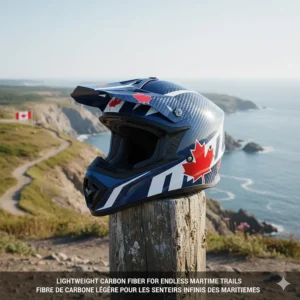
Maritime provinces feature unique coastal trail environments where salt air exposure accelerates helmet material degradation. Riders in these regions should inspect helmets more frequently and consider earlier replacement schedules—perhaps every 3-4 years rather than the typical 5 years.
Prairie Provinces
Saskatchewan and Manitoba require approved helmets for ATV operation, accepting similar certifications to other Canadian provinces. These provinces’ flat, open terrain creates unique riding conditions with intense sun exposure and extreme temperature ranges from -40°C winters to +35°C summers.
Prairie riders should prioritize helmets with excellent sun protection, superior ventilation, and materials proven to withstand dramatic temperature cycling. The extreme UV exposure at higher latitudes accelerates shell material degradation, making regular inspection and timely replacement particularly important.
ATV Riding Statistics and Helmet Importance in Canada
Canadian ATV riding continues growing in popularity, with hundreds of thousands of registered off-road vehicles across the country. However, this growth comes with serious safety considerations that every rider must understand.
The Reality of ATV Accidents
According to safety research and injury prevention data, head injuries represent a significant percentage of serious ATV-related trauma. Proper helmet use demonstrably reduces the severity of these injuries, yet compliance rates vary dramatically across provinces and riding contexts.
Riders without helmets or those wearing non-certified helmets face drastically higher risks of traumatic brain injuries, skull fractures, and fatal outcomes. The physics are straightforward—even low-speed crashes on trails can generate forces exceeding what an unprotected head can withstand.
Canadian Terrain Hazards
Our country’s diverse geography presents unique risks. Rocky Canadian Shield trails in Ontario and Quebec create hard impact surfaces. Western mountain trails include steep descents where loss of control can occur. Prairie provinces feature hidden obstacles in tall grass and agricultural debris.
Each terrain type demands proper protection. A helmet that might suffice for flat, groomed trails proves inadequate for technical rock gardens or densely forested single-track where tree strikes become genuine concerns.
Economic Impact of Helmet Use
Beyond the immeasurable human cost of preventable injuries, proper helmet use carries significant economic implications. Medical treatment for severe head trauma can cost hundreds of thousands of dollars, straining both personal finances and provincial healthcare systems.
Quality helmets costing $150-$300 CAD represent minimal investment compared to potential medical expenses. Insurance companies increasingly factor safety equipment use into coverage decisions, with some policies specifically requiring certified helmet use for off-road vehicle operation.
Seasonal Riding Considerations for Canada
Spring Riding Challenges
Canadian springs bring melting snow, muddy trails, and unpredictable weather. Temperatures can swing 20°C within hours as weather systems move through. Helmets need versatile ventilation systems that adjust from morning frost to afternoon warmth.
Mud presents unique challenges—it clogs vents, obscures visors, and adds significant weight when caked on helmets. Look for designs with easily accessible vent controls and removable, washable liners. The ILM 909F Modular shines here with its flip-up design allowing quick face cleaning mid-ride.
Summer Heat Management
July and August bring extreme heat to many Canadian regions, with temperatures regularly exceeding 30°C in Ontario, Quebec, and prairie provinces. Inadequate ventilation leads to dangerous overheating, dehydration, and reduced concentration.
The Fox Racing V1 Core with nine intake vents creates efficient airflow even at trail speeds. Pair this with moisture-wicking liners and you’ll stay comfortable during marathon riding sessions. Remember to hydrate frequently—even the best helmet can’t compensate for dehydration.
Fall Trail Adventures
Autumn offers spectacular Canadian riding, but presents unique visibility challenges. Low sun angles create intense glare, while falling leaves obscure trail obstacles. Variable temperatures require adaptable equipment as morning frost gives way to pleasant afternoon warmth.
Adjustable visors become critical—the Bell MX-9 Adventure MIPS lets you angle the brim to block low-angle sun while maintaining forward visibility. Fall’s temperature swings favour helmets with adjustable ventilation rather than fixed vent designs.
Winter Riding Essentials
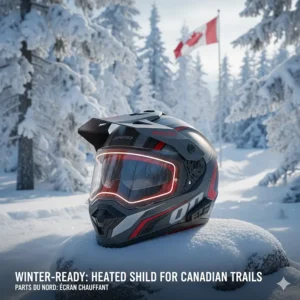
Winter ATV and snowmobile riding demands specialized equipment. Temperatures from -20°C to -40°C create extreme challenges for both riders and equipment. Breath moisture freezes instantly, creating dangerous visibility issues and uncomfortable ice buildup inside helmets.
The CKX Titan Original specifically addresses Canadian winter conditions with its removable muzzle system, breath deflectors, and compatibility with heated visors. Dual-pane goggles create insulating air gaps preventing fog and frost formation.
Winter riders should consider dedicated cold-weather helmets rather than trying to adapt summer equipment. The investment in proper winter gear significantly enhances both safety and riding enjoyment during Canada’s lengthy cold season.
Advanced Helmet Technologies in 2026
Smart Helmet Integration
The latest generation of ATV helmets increasingly incorporates smart technology. Bluetooth communication systems allow rider-to-rider communication during group rides—particularly valuable in Canadian backcountry where cell coverage is unreliable or non-existent.
Some premium models include built-in speaker pockets and antenna routing, eliminating the aftermarket fumbling required with older helmet designs. GPS integration helps track riding routes, mark points of interest, and ensure you can find your way back to camp through unfamiliar terrain.
Enhanced Visor Technology
Modern helmet visors have evolved beyond simple tinted plastic. Photochromic lenses automatically adjust darkness based on light conditions—perfect for Canadian trails where you might transition from dense forest shade to bright open meadows.
Anti-fog coatings now use advanced chemical treatments that genuinely work, unlike earlier generations that wore off after a few rides. Pinlock systems create dual-pane visors with insulating air gaps, dramatically reducing condensation issues during cold-weather riding.
Material Science Improvements
Carbon fibre shells once reserved for professional racers now appear in consumer helmets at reasonable prices. These advanced materials provide superior impact protection while reducing weight—the CKX Titan Original weighs just 1,500g despite its comprehensive feature set.
New EPS foam formulations offer better energy absorption across wider temperature ranges. Traditional EPS becomes brittle in extreme cold, reducing protection effectiveness. Modern temperature-stable foams maintain consistent performance from -40°C to +40°C—critical for Canadian conditions.
Helmet Accessories for Canadian ATV Riders
Goggle Selection
While technically separate from helmets, goggles integrate so closely they merit discussion. Canadian riders need goggles that handle our extreme conditions—from dense dust on prairie trails to freezing rain in coastal mountains.
Look for dual-pane thermal lenses with anti-fog coatings. The lens should provide 100% UV protection—UV intensity increases with altitude, making this crucial for mountain riding. Ventilated frames prevent moisture buildup while keeping dust out.
Tear-off systems or roll-off goggles help maintain visibility during muddy rides. Rather than stopping to clean your goggles every few minutes, simply tear away the dirty layer or roll to a fresh section of film.
Communication Systems
Group riding through Canadian backcountry demands reliable communication. Bluetooth helmet communication systems let you stay connected with riding partners over distances up to 1.6 km in open terrain—invaluable when riding unfamiliar trails or when mechanical issues arise.
Quality systems integrate cleanly into helmet speaker pockets without creating uncomfortable pressure points. Look for units with noise cancellation technology—wind noise at trail speeds can make basic systems unintelligible.
Neck Protection
While not part of the helmet itself, neck braces deserve consideration by aggressive riders or those tackling technical terrain. These devices limit extreme neck flexion and extension during crashes, potentially preventing catastrophic spinal injuries.
Modern neck braces integrate well with helmets, though some helmet designs accommodate them better than others. If neck protection interests you, ensure your helmet choice works with your selected neck brace model.
Professional Helmet Fitting Tips
The Two-Finger Test
After putting on your helmet and fastening the chin strap, try to insert two fingers between your forehead and the helmet padding. If they slide in easily, the helmet is too large. You should barely be able to squeeze one finger in—this indicates proper snugness that will become perfect after the liner compresses slightly with use.
The Twist Test
With the helmet properly fastened, place your hands on both sides and try to twist the helmet side-to-side while keeping your head still. The helmet should move your skin without rotating independently on your head. If it spins freely, it’s too large and won’t provide adequate protection during an impact.
The Nod Test
Secure your helmet and nod your head vigorously up and down. The helmet should move with your head as a single unit. If it shifts forward, blocking your vision, or slides backward, exposing your forehead, the fit is incorrect. Try different sizes or models until you find one that stays planted during this test.
The Pressure Point Check
After wearing your helmet for 15-20 minutes, remove it and check for any red pressure marks on your forehead or cheeks. Some initial pressure is normal and will decrease as the liner compresses, but sharp pain or deep pressure marks indicate a poor fit that won’t improve with time.
Different head shapes require different helmet shapes. If you consistently experience pressure points with helmets from one manufacturer, try a different brand—their shell shape might better match your head contour.
The Cheek Pad Assessment
When properly fitted, cheek pads should touch your cheeks without compressing them uncomfortably. You should be able to speak normally without the pads pushing into your mouth. However, they shouldn’t be so loose that gaps exist between the padding and your face.
Many helmets offer optional cheek pad sizes, allowing you to customize the fit. If the helmet shell fits perfectly but the cheek pads feel wrong, contact the manufacturer about alternative pad thickness options before trying a different helmet size.
Break-In Period Expectations
Quality helmets require a break-in period as the EPS liner and comfort padding compress to your unique head shape. This typically takes 5-10 hours of riding. A helmet that feels slightly snug when new should feel perfect after break-in. If it feels comfortable immediately, it’ll likely become too loose after a few rides.
During break-in, the helmet should never cause headaches or sharp pain. Discomfort from firm padding is normal; pain from pressure points is not. If you experience genuine pain rather than just firm pressure, the helmet doesn’t fit your head shape regardless of size.
✨ Ready to Ride Safer?
🏍️ These helmets represent the best ATV helmet Canada options for 2026, carefully selected based on safety certifications, Canadian buyer feedback, and real-world performance in our diverse climate. Whether you’re conquering the Rockies or exploring prairie trails, proper head protection makes every adventure safer and more enjoyable!
✨ Don’t Miss These Exclusive Deals!
🔍 Take your trail adventures to the next level with these carefully selected helmets available in Canada. Click on any highlighted item to check current pricing and availability on Amazon.ca. These proven options will help you create safer, more confident riding experiences your family will appreciate!
Frequently Asked Questions
❓ What is the best ATV helmet Canada for beginners?
❓ How much should I spend on an ATV helmet in Canada?
❓ Do ATV helmets expire in Canada?
❓ Can I use a motorcycle helmet for ATV riding in Canada?
❓ What's the difference between DOT and ECE helmet certifications?
Conclusion: Protect Your Adventures with the Right ATV Helmet Canada
Choosing the best ATV helmet Canada comes down to matching your specific needs with the right combination of safety features, fit, and budget. After researching dozens of options and considering feedback from Canadian riders across all provinces, a few clear winners emerge.
For most riders, the Bell MX-9 MIPS at $180-$220 CAD offers the sweet spot of advanced protection, proven reliability, and reasonable pricing. Its MIPS technology provides extra peace of mind, while the Velocity Flow ventilation handles Canadian temperature extremes admirably.
Budget-conscious riders should seriously consider the ILM Model 128S—at under $120 CAD, it delivers DOT-certified protection without breaking the bank. Don’t let the lower price fool you; this helmet provides legitimate safety features suitable for recreational trail riding.
Winter warriors and serious backcountry explorers will find the CKX Titan Original’s $320-$380 CAD price tag justified by its purpose-built Canadian design. The removable muzzle and 210° goggle system address specific challenges unique to northern riding conditions.
Remember, your helmet is the single most important piece of safety equipment you own. A properly fitted, certified helmet from reputable manufacturers available on Amazon.ca represents an investment in your safety and riding enjoyment. Don’t compromise on protection—the trails of Canada are spectacular, but they demand respect and proper equipment.
Whether you’re exploring the Badlands of Alberta, navigating Ontario’s Canadian Shield trails, or carving through BC’s coastal rainforests, ride safe, ride smart, and always wear your helmet. See you on the trails! 🍁
Recommended for You
- 7 Best Youth Motocross Helmets Canada 2026
- Best Snowmobile Helmet Canada 2026: Top 7 Expert Picks
- Best Motocross Helmet Canada 2026: 7 Top Picks Reviewed
Disclaimer: This article contains affiliate links to Amazon.ca. If you purchase products through these links, we may earn a small commission at no additional cost to you.
✨ Found this helpful? Share it with your friends! 💬🤗
