
In This Article
Here’s a question that stumps even experienced Canadian riders: should you invest in dedicated winter motorcycle gloves, or can a good set of all-season gloves handle our unpredictable weather? The answer isn’t as straightforward as you’d hope, especially when you’re staring at temperatures that swing from +15°C in October to -20°C by December.
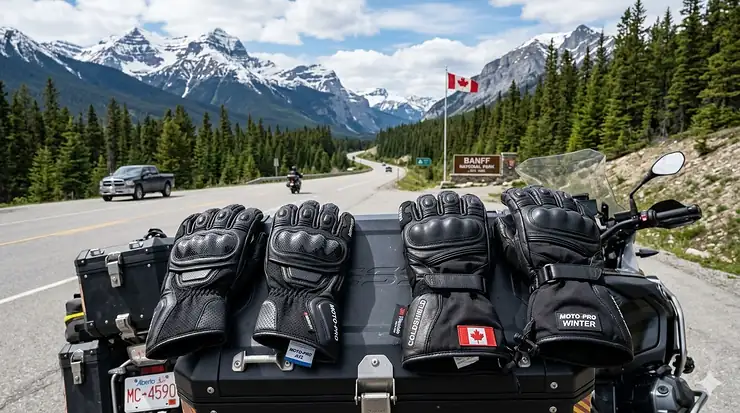
The difference between all season vs winter motorcycle gloves goes far beyond just thickness. All-season gloves are designed for versatility, typically working well in temperatures from 5°C to 25°C with features like moderate insulation, some weather resistance, and enough breathability to prevent sweaty palms on warmer rides. Winter gloves, on the other hand, are purpose-built fortresses against Canadian cold, featuring heavy insulation, full waterproofing, extended gauntlet cuffs, and often compatibility with heated grips or battery-powered heating elements.
Most Canadian riders eventually discover they need both. An all-season glove becomes your spring, summer, and fall companion, while dedicated winter gloves emerge from November through March when frost-bite isn’t just uncomfortable—it’s genuinely dangerous. According to Alberta’s motorcycle safety guidelines, proper gloves should cover your wrists, overlap jacket sleeves, and provide adequate protection regardless of the season.
In this guide, we’ll break down seven real products available on Amazon.ca, explain when to use 3 season gloves versus true winter protection, help you plan your glove wardrobe, and answer the burning question: do you need multiple motorcycle gloves? Spoiler alert: if you ride more than six months a year in Canada, the answer is probably yes.
Quick Comparison Table
| Glove Type | Temperature Range | Waterproof | Best For | Price Range (CAD) |
|---|---|---|---|---|
| Summer | 15°C to 35°C | Usually No | Hot weather, maximum airflow | $70-$180 |
| All-Season/3-Season | 5°C to 25°C | Some models | Spring, fall, mild conditions | $110-$250 |
| Winter | -15°C to 10°C | Yes | Cold, wet Canadian winters | $150-$520 |
| Heated | -25°C to 5°C | Yes | Extreme cold, long winter rides | $250-$520 |
💬 Just one click – help others make better buying decisions too!😊
Top 7 All Season vs Winter Motorcycle Gloves: Expert Analysis
1. Alpinestars Apex v2 Drystar Gloves (All-Season)
The Alpinestars Apex v2 Drystar represents what many consider the sweet spot for Canadian three-season riding. These gauntlet-style gloves feature Alpinestars’ Drystar waterproof membrane, making them surprisingly capable in light rain and morning dew without the bulk of true winter gloves.
Key Specifications:
- CE Level 1 KP certified knuckle protection
- Drystar waterproof/breathable membrane
- Touchscreen compatible fingertip
- Pre-curved ergonomic fit
Price: $149.95 CAD (Alpinestars Canada)
Canadian riders appreciate the extended cuff design that slides perfectly over jacket sleeves, preventing that annoying gap where cold air sneaks in during highway rides. The goatskin leather palm provides excellent grip even in damp conditions, while strategically placed mesh panels keep your hands from turning into sweatboxes during September rides that still hit 20°C.
✅ Pros:
- Excellent water resistance for moderate rain
- Comfortable for 3+ hour rides
- Durable construction holds up season after season
❌ Cons:
- Not warm enough below 5°C
- Mesh panels can feel chilly on windy days
Customer Feedback: Ontario riders report using these from April through October with heated grips extending usability into November.
2. REV’IT Sand 4 H2O Gloves (All-Season)
The REV’IT Sand 4 H2O gloves have earned a cult following among Canadian adventure riders who need one glove to handle gravel roads in summer and rainy coastal highways in fall. These short-cuff gloves balance protection with breathability better than most competitors.
Key Specifications:
- Hydratex waterproof membrane
- TPR knuckle protector with palm sliders
- Goat leather and 3D air mesh construction
- Velcro wrist closure
Price: $189.99 CAD (available at Canadian retailers)
The perforated palm and mesh finger panels make these gloves remarkably breathable for waterproof protection. That hydratex membrane keeps rain out without turning your hands into steam rooms, which is critical during those humid Ontario summer rides followed by sudden downpours.
✅ Pros:
- Versatile across wide temperature range
- Excellent ventilation for waterproof gloves
- Durable leather construction
❌ Cons:
- Short cuff doesn’t provide extended protection
- Insufficient insulation for true winter
Customer Feedback: BC riders praise these for year-round coastal riding where temperatures rarely drop below freezing but rain is constant.
3. Alpinestars SP-8 v3 Air Gloves (Summer/Warm Weather)
While not technically all-season, the Alpinestars SP-8 v3 Air deserves mention as the perfect summer companion that many Canadian riders pair with winter gloves for complete coverage. These perforated leather gloves are what you reach for when temperatures climb above 18°C.
Key Specifications:
- CE Level 2 knuckle armor
- Perforated leather with mesh panels
- TPU palm slider
- Carbon fiber knuckle protection
Price: $155.95 CAD (Alpinestars Canada)
The extensive perforation and open mesh construction channel airflow directly across your hands, preventing the clamminess that plagues less-ventilated designs. Despite the ventilation, protection remains serious with CE Level 2 certification—something rare at this price point.
✅ Pros:
- Maximum airflow for hot weather
- Premium protection despite ventilation
- Comfortable for all-day riding
❌ Cons:
- Too cold below 15°C
- Not waterproof
Customer Feedback: Alberta riders report these as essential gear for July and August touring when temperatures regularly exceed 25°C.
4. Alpinestars Morph Sport Gloves (All-Season Sport)
The Alpinestars Morph Sport gloves introduce MorphTech Weave technology that delivers mechanical safety performance while maintaining the flexibility needed for spirited riding. These work well in transitional seasons when you need protection without bulk.
Key Specifications:
- MorphTech Weave construction
- CE Level 1 KP certification
- Over-injected knuckle protection
- Minimal seam construction
Price: $199.95 CAD (Alpinestars Canada)
The innovative weave technology provides abrasion resistance comparable to leather while offering better breathability and flexibility. For Canadian sport bike riders who carve canyons in spring and fall, these strike an excellent balance between feel and protection.
✅ Pros:
- Exceptional dexterity and control feel
- Lightweight without sacrificing protection
- Modern aesthetic appeals to younger riders
❌ Cons:
- Not designed for weather extremes
- Higher price for three-season use
Customer Feedback: Quebec riders note these work perfectly from May through September for aggressive riding.
5. REV’IT Heated Liberty H2O Gloves (Winter/Heated)
When temperatures plummet below -10°C, the REV’IT Heated Liberty H2O gloves become essential equipment for any Canadian rider committed to year-round motorcycling. These gauntlet-style gloves feature integrated battery-powered heating elements.
Key Specifications:
- Hydratex waterproof membrane
- Battery-powered heating system
- Extended gauntlet cuff design
- Dual wrist closure system
Price: $519.99 CAD (Canadian motorcycle retailers)
The heating elements distribute warmth across the back of your hands and fingers, powered by rechargeable lithium batteries that provide 2-6 hours of heat depending on setting. Combined with Thinsulate insulation and the waterproof membrane, these gloves make winter riding genuinely comfortable.
✅ Pros:
- Game-changing warmth for extreme cold
- Waterproof protection keeps hands dry
- Long battery life on medium setting
❌ Cons:
- Significant investment
- Batteries add bulk and weight
Customer Feedback: Manitoba riders call these essential for winter commuting, noting the heating system makes -20°C rides tolerable.
6. Cortech Scarab 2.0 Winter Gloves (Winter)
The Cortech Scarab 2.0 provides serious winter protection without the complexity and cost of heated systems. These traditional insulated gloves rely on proven technology: waterproof membranes, Thinsulate insulation, and wind-blocking construction.
Key Specifications:
- Hipora waterproof/breathable liner
- 100G 3M Thinsulate insulation
- Goatskin leather construction
- Molded knuckle and finger protection
Price: $80-$120 CAD (Amazon.ca, availability varies)
The Hipora membrane keeps water out while allowing moisture vapor to escape, preventing that clammy feeling that plagues cheaper winter gloves. The dual gauntlet cuff with hook-and-loop closure seals tightly over jacket sleeves, eliminating cold air infiltration at highway speeds.
✅ Pros:
- Excellent value for winter protection
- Proven insulation technology
- Touchscreen compatible fingertips
❌ Cons:
- Bulkier than uninsulated gloves
- Limited flexibility compared to heated options
Customer Feedback: Saskatchewan riders appreciate the balance of warmth and dexterity for winter commuting.
7. REV’IT Cayenne 2 Gloves (All-Season)
The REV’IT Cayenne 2 gloves round out our selection with a focus on street and urban riders who need reliable protection across multiple seasons. These leather gloves work surprisingly well from spring through late fall.
Key Specifications:
- Premium cowhide construction
- Knuckle and palm protection
- Ergonomic pre-curved design
- Short cuff with secure closure
Price: $209.99 CAD (Canadian retailers)
The supple cowhide leather breaks in quickly, molding to your hand for that second-skin feel experienced riders prize. While not waterproof, the leather provides moderate water resistance for light rain, and the construction quality suggests these gloves will last multiple seasons.
✅ Pros:
- Classic styling works with any gear
- Comfortable fit right out of the box
- Durable leather construction
❌ Cons:
- No waterproof membrane
- Limited winter insulation
Customer Feedback: Toronto riders use these for commuting from April through October, appreciating the blend of protection and comfort.
✨ Don’t Miss These Exclusive Deals!
🔍 Take your riding safety to the next level with these carefully selected gloves available in Canada. Click on any highlighted item to check current pricing and availability on Amazon.ca or authorized Canadian retailers. These gloves will help you create safe, comfortable riding experiences across all seasons!
Understanding All Season Gloves Temperature Range
The term “all-season gloves” creates unrealistic expectations. No single glove works equally well in July’s 30°C heat and January’s -15°C freeze. What manufacturers actually mean is “three-season” gloves—equipment designed for spring, summer, and fall conditions.
Most quality all-season gloves function optimally between 5°C and 25°C. Below 5°C, your hands start getting cold because there’s simply not enough insulation. Above 25°C, even perforated gloves can feel warm during stop-and-go traffic. This temperature range works perfectly for Canadian riding seasons outside deep winter.
Temperature-Based Glove Selection Guide
Summer Gloves (15°C to 35°C): Maximum ventilation through perforated leather, mesh panels, and minimal insulation. Think Alpinestars SP-8 v3 Air with its extensive perforation.
Three-Season/All-Season Gloves (5°C to 25°C): Moderate insulation with some weather resistance. Examples include the Alpinestars Apex v2 Drystar or REV’IT Sand 4 H2O. These handle morning rides that start at 8°C and warm to 20°C by afternoon.
Winter Gloves (−15°C to 10°C): Heavy insulation, full waterproofing, and extended cuffs. The Cortech Scarab 2.0 exemplifies this category with Thinsulate insulation and Hipora waterproofing.
Heated Gloves (−25°C to 5°C): For extreme Canadian winters, heated gloves like the REV’IT Heated Liberty H2O add active warming to insulation and waterproofing.
Understanding these ranges helps you match gloves to actual riding conditions rather than marketing promises. Most Canadian riders who commute or tour regularly find they need minimum two pairs: summer or all-season gloves plus dedicated winter gloves.
When to Use 3 Season Gloves: Strategic Deployment
Three-season gloves shine during transitional periods when weather remains unpredictable. In Canada, this typically means April through June and September through November—months when morning temperatures might sit at 5°C but afternoon highs reach 18°C.
Spring Deployment (April-June): Morning commutes require warmth, but by lunch you’re too hot in heavy gloves. Three-season gloves with moderate insulation and some weather resistance handle this range. Add heated grips or grip warmers for particularly cold mornings, extending the glove’s lower temperature threshold by several degrees.
Fall Deployment (September-November): Similar dynamics play out in reverse. Days start cool, warm up, then temperatures drop again for evening rides. Three-season gloves with windproof membranes block cold air without the bulk of winter gloves, maintaining the dexterity needed for precise control.
Summer Backup: Even dedicated summer riders should keep three-season gloves accessible. Those unexpected rain showers or unseasonably cool days make waterproof three-season gloves invaluable. The REV’IT Sand 4 H2O, with its hydratex membrane and ventilation, handles sudden weather changes better than purely summer-focused designs.
Cross-Season Strategy: Many experienced Canadian riders use three-season gloves as their primary gloves from April through October, switching to dedicated summer gloves only during July and August heat waves, and winter gloves from November through March. This three-glove approach (summer, three-season, winter) covers virtually any Canadian riding condition.
According to industry research on motorcycle glove safety standards, protection levels matter as much as weather features. CE Level 1 KP certification provides basic protection, while CE Level 2 offers superior impact absorption—important regardless of season.
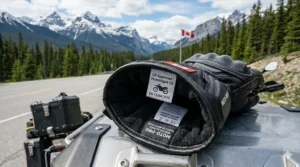
Do You Need Multiple Motorcycle Gloves? The Honest Answer
Yes. Unless you ride exclusively in summer or live in Canada’s mildest regions, multiple pairs make sense from both safety and comfort perspectives. Here’s why the investment pays off:
Safety Considerations
Cold hands react slower. When your fingers go numb at -10°C, emergency braking becomes dangerous. Similarly, overheated hands in poorly ventilated summer gloves cause sweating, reducing grip precisely when you need it most. Having weather-appropriate gloves isn’t luxury—it’s safety equipment.
Temperature-Appropriate Protection: Each glove type optimizes for specific conditions. Winter gloves add bulk that can reduce lever feel, making them less ideal for technical riding in warmer weather. Summer gloves offer precise control but provide zero warmth. The right glove for conditions keeps you safe and comfortable.
Comfort Economics
Riding should be enjoyable, not endurance. The difference between struggling through a cold ride with inadequate gloves versus comfortable hands in proper winter gloves transforms your experience. Most Canadian riders who invest in proper glove wardrobes report riding more frequently and for longer distances simply because they’re comfortable.
Longevity Factors
Using appropriate gloves for conditions extends their lifespan. Summer gloves used in winter weather develop cracks from cold leather. Winter gloves worn in summer heat break down faster from excessive perspiration and heat. Rotating gloves based on weather conditions means each pair lasts longer, making the multi-glove investment surprisingly economical over time.
Provincial Regulations: While Transport Canada’s motor vehicle safety regulations don’t specifically mandate glove types, provincial guidelines like Alberta’s motorcycle safety requirements recommend leather or similar protective material that covers wrists—easier to achieve with properly fitted seasonal gloves.
How Many Pairs of Gloves Do I Need? The Canadian Rider’s Formula
Minimum: Two Pairs
- One all-season glove (5°C to 25°C)
- One winter glove (-15°C to 10°C)
This covers most Canadian riding from April through November with proper layering and heated grips.
Recommended: Three Pairs
- Summer gloves (15°C+) for July-August heat
- All-season gloves (5°C to 25°C) for spring and fall
- Winter gloves (-15°C to 10°C) for November-March
Enthusiast: Four+ Pairs
- Dedicated summer gloves (perforated, maximum airflow)
- Three-season touring gloves (waterproof, moderate insulation)
- Winter gloves (insulated, waterproof)
- Heated gloves for extreme cold riding
- Rain-specific gloves (summer waterproof for unexpected downpours)
Climate-Specific Adjustments
BC Coastal Riders: Focus on waterproof options across all seasons. You might need fewer winter gloves but more rain-capable spring/fall options.
Prairie Riders (AB, SK, MB): Extreme temperature swings demand good summer and excellent winter gloves. Spring and fall are brief, so three-season gloves get limited use.
Ontario/Quebec Riders: The full four-season experience means maximum glove wardrobe diversity pays off. All four glove types see regular use.
Maritime Riders: Similar to BC with emphasis on waterproofing and moderate insulation rather than extreme winter protection.
Budget Allocation Strategy
Rather than buying cheap gloves across all categories, invest in the gloves you’ll use most. If you primarily ride May through September, spend money on excellent summer and three-season gloves, then get budget winter gloves for occasional cold rides. Year-round commuters should prioritize winter and all-season investment since those see daily use.
Glove Wardrobe Planning: Building Your Arsenal
Strategic glove acquisition beats impulse buying. Here’s how to build your glove collection systematically:
Year One: Foundation
Start with quality all-season gloves. Something like the Alpinestars Apex v2 Drystar or REV’IT Sand 4 H2O provides versatility while you determine your actual riding patterns. If you discover you ride frequently in summer, add dedicated summer gloves. If winter riding becomes regular, invest in proper winter gloves before your second season.
Year Two: Specialization
Based on first-year experience, add specialized options. Summer-focused riders might add track-oriented gloves with superior protection. Winter commuters invest in heated gloves. Three-season riders might add a second pair of all-season gloves in different styles for variety.
Year Three: Optimization
Refine your collection by replacing worn gloves with upgraded versions and adding niche options. Maybe you’ve discovered you love early-morning rides requiring windproof gloves, or late-season touring needs extra waterproofing.
Maintenance Matters
Leather Care: Clean and condition leather gloves seasonally. Use leather conditioner appropriate for motorcycle gear—mink oil or dedicated motorcycle leather treatments. This prevents cracking and extends glove life significantly.
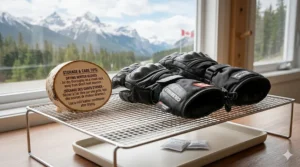
Storage: Store gloves in cool, dry locations away from direct sunlight. Stuff winter gloves with newspaper to maintain shape during summer storage. Keep all gloves in breathable storage bags, not plastic.
Rotation: Don’t wear the same gloves daily if possible. Rotating between pairs allows moisture to fully evaporate, preventing bacterial growth and extending glove life.
Inspection: Before each season, inspect gloves for wear, damaged seams, or compromised armor. Replace gloves with structural damage rather than risk inadequate protection.
Seasonal Gear Strategy: Maximizing Your Investment
Understanding Gear Ecosystems
Your gloves don’t work in isolation. They integrate with jackets, base layers, and bike equipment (heated grips, hand guards) to create complete weather systems. Smart riders think holistically about gear rather than treating gloves as standalone items.
Jacket Integration: Gauntlet gloves work better with certain jacket sleeve designs. The REV’IT Heated Liberty H2O’s extended cuff complements touring jackets with wider sleeve openings, while the Alpinestars Morph Sport’s short cuff pairs perfectly with sport jackets featuring tighter wrist closures.
Heated Grip Synergy: Quality heated grips extend the useful temperature range of all gloves by 5-10 degrees Celsius. Your $150 three-season gloves suddenly work in conditions requiring $500 heated gloves when combined with $100 heated grips—mathematical logic for Canadian riders.
Layering Techniques
Base Layer Gloves: Thin silk or synthetic liner gloves worn under motorcycle gloves add 3-5 degrees of warmth without bulk. They also wick moisture, keeping hands drier in winter conditions. This simple addition extends three-season glove usability into early winter.
Hand Guards: Adventure and dual-sport riders benefit enormously from hand guards that block wind. This wind protection effectively makes any glove 5-10 degrees warmer, allowing summer gloves to work in fall conditions when combined with heated grips.
Climate Adaptation Strategies
For Mild Climates (BC Coast): Invest heavily in waterproof three-season gloves. You’ll use these 9-10 months annually, making premium options like REV’IT Sand 4 H2O worthwhile. Add one summer pair for rare heat waves and basic winter gloves for occasional cold snaps.
For Extreme Climates (Prairies, Northern Regions): Prioritize summer and winter extremes. Three-season gloves see limited use during brief spring and fall, so mid-range options suffice while premium summer and winter gloves get daily use.
For Variable Climates (Ontario, Quebec): Maximum diversity pays off. All four glove types see regular use, justifying investment across the board.
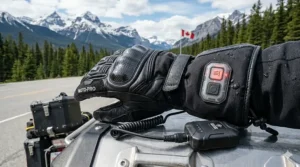
Safety Certification and Standards for Canadian Riders
Understanding protection standards helps you make informed decisions beyond marketing claims. While Canada doesn’t have motorcycle glove-specific regulations, most quality gloves sold here meet European CE standards.
CE Certification Explained
CE Level 1 KP: Basic protection meeting minimum impact and abrasion requirements. Suitable for casual riding and provides legal protection standards in European markets. Most entry-level and mid-range gloves achieve this certification.
CE Level 2 KP: Superior protection with higher impact absorption and abrasion resistance. Premium gloves like the Alpinestars SP-8 v3 Air achieve this level, offering race-track worthy protection for street use.
North American Standards
The ANSI/ISEA 138 Impact Standard provides quantitative test data for knuckles, fingers, and thumbs—more detailed than CE’s pass/fail scoring. While less common in Canada, some manufacturers offer dual certification for riders who want maximum verified protection.
Material Matters
Goatskin Leather: Offers excellent abrasion resistance with superior flexibility. Many premium gloves use goatskin palms for precise control feel while maintaining protection.
Cowhide Leather: More durable than goatskin but less flexible. Budget-conscious riders often choose cowhide for longevity.
Kangaroo Leather: Premium material offering best-in-class abrasion resistance and flexibility. Found in race-oriented gloves where protection and control matter most.
Synthetic Textiles: Modern materials like MorphTech Weave provide leather-comparable protection with better breathability and often lower prices.
Waterproofing Technology: Understanding Membranes
Gore-Tex: The gold standard for waterproof/breathable membranes. Expensive but proven reliable across temperature ranges. Three-season riders serious about wet-weather capability prioritize Gore-Tex gloves.
Drystar (Alpinestars): Proprietary waterproof membrane performing comparably to Gore-Tex at lower cost. The Apex v2 Drystar demonstrates effective rain protection for Canadian spring and fall conditions.
Hydratex (REV’IT): Another proprietary membrane offering good waterproofing with excellent breathability. The REV’IT Sand 4 H2O uses this technology effectively for adventure riding.
Hipora: Three-layer waterproof membrane found in budget-friendly gloves like the Cortech Scarab 2.0. Performs well in moderate conditions though less breathable than premium membranes.
Waterproofing Limitations
No glove remains waterproof indefinitely in heavy rain. Most waterproof gloves handle 1-2 hours of moderate rain before seams begin wicking moisture. For extended wet riding, consider rain-specific overmitts that protect your primary gloves while adding extra waterproof layers.
Frequently Asked Questions
❓ How long do motorcycle gloves last in Canadian weather conditions?
❓ Can you use winter motorcycle gloves in summer?
❓ What is the best all season motorcycle glove temperature range for Canada?
❓ Do heated motorcycle gloves work better than insulated gloves in extreme Canadian cold?
❓ Should I size up winter motorcycle gloves to accommodate hand warmers?
Conclusion: Making the Right Choice for Your Riding
The debate between all season vs winter motorcycle gloves doesn’t have a single winner because Canadian riders face genuinely different conditions depending on location, riding frequency, and season. What works for a Vancouver commuter riding year-round in moderate temperatures fails completely for a Calgary rider facing -25°C morning commutes.
Most Canadian riders discover the truth through experience: you need multiple gloves. At minimum, invest in quality all-season gloves and dedicated winter gloves. This two-glove approach covers April through March riding in most Canadian regions when combined with heated grips and proper layering.
The real question isn’t whether to buy multiple gloves but rather which gloves to prioritize based on your specific riding patterns. Track your riding over one season, noting temperature ranges, weather conditions, and comfort levels with current gloves. This data reveals exactly where to invest next.
Remember that gloves represent critical safety equipment, not fashion accessories. The best glove is the one that keeps you comfortable and protected in actual riding conditions. A $200 glove you wear regularly provides better value than a $100 glove sitting unused because it doesn’t match conditions.
Start with one quality all-season glove, add specialized options as your riding evolves, and maintain your collection properly. Your hands will thank you, and your riding experience will improve dramatically when you’re comfortable regardless of weather.
Recommended for You
- 7 Best Spring Fall Motorcycle Gloves Canada 2026
- 7 Best 3 Season Motorcycle Gloves Canada 2026
- 7 Best Motorcycle Gloves for Cold Hands Canada 2026
Disclaimer: This article contains affiliate links to Amazon.ca and authorized Canadian motorcycle retailers. If you purchase products through these links, we may earn a small commission at no additional cost to you.
✨ Found this helpful? Share it with your friends! 💬🤗
