
In This Article
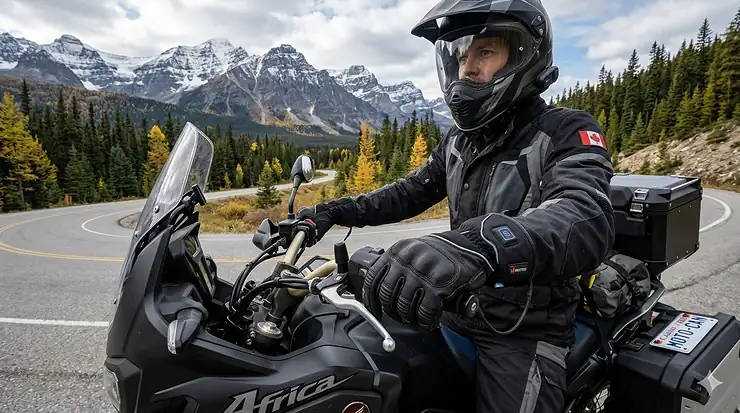
Picture this: You’re cruising through the Canadian Rockies in late October, the scenery is breathtaking, but your fingers feel like frozen fish sticks clinging desperately to the handlebars. Sound familiar? If you’re a year-round rider in Canada, you already know that cold hands aren’t just uncomfortable—they’re downright dangerous.
When your fingers lose dexterity in freezing temperatures, your reaction time suffers, your throttle control becomes clumsy, and suddenly that beautiful ride turns into a white-knuckle survival mission. According to Alberta’s motorcycle safety guidelines, proper protective gear is essential for rider safety, especially in cold weather conditions where reduced grip strength and slower reactions can lead to accidents. Cold hands aren’t just uncomfortable—they’re a legitimate safety hazard that affects your ability to operate your motorcycle safely.
The good news? You don’t need to drop $400 on premium heated gloves to keep your hands toasty. The market for heated motorcycle gloves under $200 has exploded in 2026, offering Canadian riders incredible value without sacrificing quality. Modern battery technology, improved heating elements, and fierce competition have driven prices down while pushing performance up.
In this comprehensive guide, I’ll walk you through seven exceptional heated motorcycle gloves that won’t break the bank, all verified as available on Amazon.ca with pricing in Canadian dollars. Whether you’re commuting through Edmonton’s -30°C winters or touring British Columbia’s coastal roads in November, there’s a perfect pair here for your needs and budget.
Quick Comparison Table: Top Heated Motorcycle Gloves Under $200 (Canada) 📊
| Model | Price (CAD) | Battery | Runtime | Waterproof | Rating |
|---|---|---|---|---|---|
| KEMIMOTO 2025 Version | $79.99 | 7.4V 2500mAh | 3-9 hours | Yes | 4.1/5 |
| SAVIOR HEAT S15 | $89.99 | 7.4V 2200mAh | 2-6.5 hours | Yes | 3.9/5 |
| SNOW DEER Heated Mittens | $97.99 | 7.4V 2200mAh | 2-6.5 hours | Yes | 4.2/5 |
| KEMIMOTO EVA-Pad Protection | $129.99 | 7.4V 2500mAh | 3-6 hours | Yes | 4.2/5 |
| SAVIOR HEAT Professional | $176.99 | 7.4V 3000mAh | 3-10 hours | Yes | 4.2/5 |
| KEMIMOTO Heated Hunting | $84.99 | 7.4V 2500mAh | 3-6 hours | Yes | 4.1/5 |
| SNOW DEER 3000mAh Upgrade | $129.99 | 7.4V 3000mAh | 2-10 hours | Yes | 4.2/5 |
💬 Just one click – help others make better buying decisions too! 😊
✨ Don’t Miss These Exclusive Deals!
🔍 Take your winter riding to the next level with these carefully selected heated gloves available in Canada. Click on any highlighted product to check current pricing and availability on Amazon.ca. These gloves will help you maintain control and comfort during those challenging Canadian winter rides!
Top 7 Heated Motorcycle Gloves Under $200: Expert Analysis 🏍️
1. KEMIMOTO 2025 Version Heated Motorcycle Gloves — Best Budget Pick
KEMIMOTO 2025 Version heated gloves represent an absolute steal for Canadian riders looking to dip their toes into heated gear without the financial commitment. At just $79.99 CAD on Amazon.ca, these gloves pack features typically found in models twice their price.
Key Specifications:
- 7.4V 2500mAh rechargeable battery (2 included)
- Three heat settings: Low (104-122°F), Medium (122-131°F), High (131-149°F)
- Up to 9 hours runtime on low setting
- Hard protective shields on knuckles
- Touchscreen compatible (thumb and index finger)
Canadian buyers rave about the value proposition. One Toronto rider mentioned they survived a December commute at -15°C with hands staying comfortably warm on the medium setting. The automatic preheating function is particularly clever—it starts on high for 5 minutes, then switches to medium automatically, which helps conserve battery life for longer rides.
✅ Pros:
- Exceptional value under $80
- Long battery life (up to 9 hours)
- Hard protective shields for crash protection
❌ Cons:
- Slightly bulky fit
- Battery level display could be more visible
Best For: Budget-conscious riders, commuters, beginners to heated gear
2. SAVIOR HEAT S15 Leather Waterproof Heated Gloves — Best All-Rounder
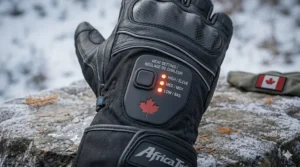
The SAVIOR HEAT S15 strikes a beautiful balance between affordability and performance at $89.99 CAD. SAVIOR has been in the heated gear game for over a decade, and their experience shows in the thoughtful design details.
Key Specifications:
- 7.4V 2200mAh lithium-ion batteries
- Far infrared fiber heating elements
- Three heat levels with LED indicators
- Premium sheep leather palm
- IPX4 waterproof rating
What sets these apart is the heating coverage. The far infrared elements extend across the entire back of your hand and into every finger, including dedicated heating zones for thumbs. Canadian reviewers note these handle wet Vancouver winters admirably, with the waterproof construction keeping hands dry during unexpected rain showers.
✅ Pros:
- Excellent heat distribution
- Premium leather construction
- Trusted brand with Canadian presence
❌ Cons:
- Medium battery capacity (2200mAh)
- Higher price than entry options
Best For: All-season riders, those prioritizing even heat distribution
3. SNOW DEER Heated Mittens — Best for Extreme Cold
When Alberta’s temperatures drop to -30°C, you need mittens, not gloves. The SNOW DEER Heated Mittens ($97.99 CAD) offer superior warmth retention because your fingers share body heat rather than being isolated in individual compartments.
Key Specifications:
- 7.4V 2200mAh battery per mitten
- Large heating area covering entire hand
- Three heat settings (Blue/White/Red LED)
- Touchscreen compatible
- Waterproof and windproof construction
These mittens earned stellar reviews from Saskatchewan and Manitoba riders who face Canada’s harshest winter conditions. The heating elements cover the back of hand and all fingers comprehensively. One Winnipeg rider reported riding comfortably at -25°C on the medium setting for over 3 hours without cold spots.
✅ Pros:
- Superior warmth retention (mitten design)
- Excellent for extreme Canadian winters
- Good battery life
❌ Cons:
- Less dexterity than glove designs
- May be overkill for milder climates
Best For: Prairie riders, extreme cold conditions, touring in northern Canada
4. KEMIMOTO EVA-Pad Protection Heated Gloves — Best for Safety
At $129.99 CAD, the KEMIMOTO EVA-Pad Protection gloves cater to riders who refuse to compromise on crash protection. The thickened EVA padding on the back of hands and fingers offers substantially more impact resistance than standard heated gloves.
Key Specifications:
- 7.4V 2500mAh battery
- Thickened EVA impact protection
- Microwire heating (104°F to 149°F)
- PU leather waterproof shell
- Touchscreen compatible
Canadian motorcycle instructors appreciate the safety-first approach. The EVA padding keeps hands in anatomically correct positions during impacts, reducing injury risk during crashes or falls on icy roads. The waterproof PU leather construction with water-repellent coating handles slushy Canadian spring rides exceptionally well.
✅ Pros:
- Superior crash protection
- Excellent waterproofing
- Reinforced construction
❌ Cons:
- Slightly heavier than competitors
- Less flexibility due to padding
Best For: Sport riders, those prioritizing safety, riders on challenging terrain
5. SAVIOR HEAT Professional Heated Gloves — Best Premium Under $200
Just sneaking under the $200 threshold at $176.99 CAD, the SAVIOR HEAT Professional gloves represent the pinnacle of what’s possible in this price range. These are the gloves serious Canadian riders choose when they want the best without jumping to the $300+ tier.
Key Specifications:
- 7.4V 3000mAh high-capacity batteries
- Up to 10 hours on low setting
- Type-C fast charging
- EH System far infrared heating
- Premium goat leather palm
The 3000mAh batteries are game-changers for long-distance touring across Canada. British Columbia riders tackling the Trans-Canada Highway report full-day comfort without battery swaps. The Type-C charging means you can use the same cable as your phone, eliminating the need for specialized chargers in your saddlebags.
✅ Pros:
- Longest battery life (10 hours)
- Fast Type-C charging
- Premium materials and construction
❌ Cons:
- Higher price point
- May be excessive for short commutes
Best For: Long-distance touring, serious riders, those wanting best-in-class
6. KEMIMOTO Heated Hunting Gloves — Best Convertible Design
The KEMIMOTO Heated Hunting Gloves ($84.99 CAD) offer a unique flip-fingerless design that makes them incredibly versatile for riders who need dexterity for tasks like GPS operation or fuel pump handling.
Key Specifications:
- 7.4V 2500mAh batteries (2 included)
- Magnetic flip-back finger caps
- 3 heat settings (max 140°F)
- Camo or black available
- Fire-resistant battery casings
The magnetic flip-back design is brilliant for Canadian riders. Need to use your phone to check directions or pay at a gas station in the cold? Just flip back the thumb, index, and middle fingers while the magnetic closures keep everything secure. Heat remains contained in the main mitten portion when fingers are exposed.
✅ Pros:
- Innovative convertible design
- Great for multi-tasking
- Strong magnetic closures
❌ Cons:
- Heating only on back (not palm)
- Camo pattern not ideal for visibility
Best For: Dual-sport riders, adventure touring, riders needing frequent dexterity
7. SNOW DEER 3000mAh Upgraded Heated Gloves — Best Battery Life
Rounding out our list at $129.99 CAD, the SNOW DEER 3000mAh Upgrade delivers exceptional runtime in a traditional glove design. When you’re tackling multi-day tours through the Canadian wilderness, battery anxiety is real—these gloves eliminate it.
Key Specifications:
- 7.4V 3000mAh high-capacity batteries
- Up to 10 hours on low setting
- Instant heating (10 seconds)
- Temperature up to 150°F (65.5°C)
- Discrete storage pocket
Canadian touring riders love the 10-hour runtime on low settings. The gloves reach full temperature in just 10 seconds, which is noticeably faster than competitors. Alberta riders heading through mountain passes appreciate the quick warm-up when stopping for photos in frigid conditions.
✅ Pros:
- Excellent battery life
- Fast heating response
- Traditional glove design
❌ Cons:
- Mid-range price point
- Battery pocket placement varies
Best For: Touring riders, those prioritizing battery life, traditional glove preference
Understanding Heated Glove Technology: How They Keep You Warm 🔋
Modern heated motorcycle gloves use sophisticated battery-powered heating systems that go far beyond simple resistance wires. Understanding the technology helps you make smarter purchasing decisions and get the most from your investment.
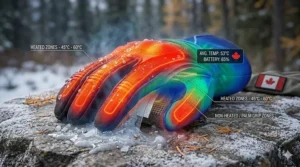
At their core, heated gloves contain three essential components working in harmony. The heating elements—typically made from carbon fiber, far infrared fibers, or microwire technology—are woven into strategic locations throughout the glove. According to heating technology experts, these modern heating systems use low-voltage electrical current to generate consistent warmth without the bulky wires found in older designs. Modern elements are thin, flexible, and barely noticeable when wearing the gloves.
The battery system provides the power, with most affordable heated motorcycle gloves using 7.4V lithium-ion or lithium-polymer rechargeable batteries. These batteries pack impressive capacity (typically 2200-3000mAh) into compact, lightweight packages that fit discreetly into wrist pockets or the back of the hand. Canadian riders should note that lithium batteries perform slightly less efficiently in extreme cold, so expect about 10-15% reduced runtime when riding at -20°C compared to 0°C.
The control system regulates temperature output, usually offering three heat levels: low (approximately 104-113°F), medium (122-131°F), and high (131-149°F). More sophisticated models include Bluetooth smartphone controls, though most affordable options use simple button controls with LED indicators. The best systems incorporate automatic shut-off features that prevent overheating and protect both your hands and the glove’s longevity.
Safety features have improved dramatically in recent years. Quality gloves include short-circuit protection, flame-retardant battery casings, and thermal cutoff switches that automatically power down if temperatures exceed safe thresholds. Look for batteries certified by UL, CE, FCC, or other recognized safety organizations—this certification indicates rigorous testing for Canadian winter conditions.
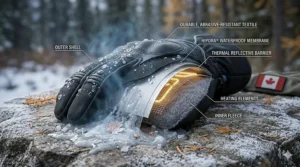
The waterproofing technology deserves special attention for Canadian riders. Most heated gloves use multi-layer construction: an outer shell (often nylon or leather), a waterproof-breathable membrane (similar to Gore-Tex), insulation layers (Thinsulate is common), and finally the heating elements and inner liner. This construction keeps your hands dry during wet coastal rides while preventing sweat buildup during intense cold-weather adventures.
Battery Life and Runtime: What Canadian Riders Need to Know ⚡
Battery performance separates mediocre heated gloves from excellent ones, especially when you’re riding through Canada’s vast distances and unpredictable weather. Understanding runtime expectations helps avoid getting caught with dead batteries 100 kilometers from the nearest charging point.
The advertised battery life you see in specifications typically represents ideal conditions—gentle riding at moderate temperatures on the lowest heat setting. Real-world Canadian conditions paint a different picture. At -15°C on medium heat with moderate wind exposure, expect to lose about 30-40% of the rated runtime. That advertised 6-hour battery might realistically deliver 3.5-4 hours of warmth.
Temperature settings dramatically affect battery consumption. On high heat, most 2500mAh batteries drain in 2-4 hours, while low settings can stretch to 6-9 hours. Smart riders start their journey on high to quickly warm frozen fingers, then drop to low or medium once comfortable. This strategy maximizes both comfort and battery life for long Canadian rides.
Battery capacity measured in milliampere-hours (mAh) provides a direct comparison between models. A 3000mAh battery theoretically offers 50% more runtime than a 2000mAh battery at the same heat setting. However, heating element efficiency matters too—a glove with better insulation might achieve similar runtime with a smaller battery by retaining more heat.
Canadian riders planning multi-day tours should consider purchasing spare batteries. Most manufacturers sell additional battery pairs for $30-70 CAD, which is money well spent for remote adventures. Keep spare batteries warm inside your jacket rather than in cold saddlebags—lithium batteries deliver poor performance when cold-soaked.
Charging infrastructure matters for touring riders. Modern Type-C charging ports (found on higher-end models) allow charging from the same cables and power banks you use for smartphones. Older models with proprietary chargers require carrying additional equipment. Most heated glove batteries fully charge in 2-4 hours, making overnight stops at hotels or campgrounds sufficient for daily recharging.
Winter storage affects battery longevity. Store batteries at approximately 50% charge in cool, dry locations when not using your gloves for extended periods. Batteries stored completely drained or fully charged deteriorate faster. Canadian riders storing gloves from April to October should charge batteries once mid-summer to maintain optimal health.
Choosing the Right Heated Motorcycle Gloves for Canadian Weather 🌨️
Canada’s diverse climate zones demand different approaches to heated glove selection. A Vancouver rider faces different challenges than someone in Yellowknife, and your perfect gloves depend heavily on where and when you ride.
For coastal British Columbia riders, waterproofing takes priority over maximum insulation. The milder but wetter winters mean you need gloves that handle rain without becoming waterlogged. Look for IPX4-rated or better waterproofing with sealed seams and waterproof zippers on battery compartments. The SAVIOR HEAT models excel here with their proven waterproof membranes.
Prairie riders in Alberta, Saskatchewan, and Manitoba need maximum insulation and wind protection. Temperatures regularly hitting -30°C demand gloves with 3M Thinsulate or equivalent insulation, plus windproof outer shells. Mitten-style heated gloves like the SNOW DEER options provide superior warmth retention when extreme cold is your primary enemy.
Ontario and Quebec riders need versatility—warm enough for -20°C January mornings but not oppressively hot during milder autumn rides. Mid-range insulation with good heating element coverage offers the best compromise. The KEMIMOTO EVA-Pad Protection gloves work exceptionally well for these variable conditions.
Maritime riders face wet, moderately cold conditions similar to coastal BC but with more temperature fluctuation. Gloves with easily adjustable heat settings and good breathability prevent sweaty hands when temperatures unexpectedly warm up during rides. Three-temperature controls are minimum requirements here.
Sizing deserves careful attention because heated gloves fit differently than regular motorcycle gloves. The internal heating elements, battery wiring, and extra insulation mean heated gloves typically run slightly smaller. Most manufacturers recommend ordering one size up from your normal glove size. Canadian buyers should carefully check Amazon.ca reviews from other Canadians discussing fit—American sizing sometimes differs from Canadian expectations.
Consider your typical ride duration when selecting battery capacity. Commuters riding 30-45 minutes each way can comfortably use 2200mAh batteries, saving money on the glove purchase. Touring riders tackling 4+ hour days absolutely need 3000mAh batteries to avoid range anxiety and cold fingers on remote highways.
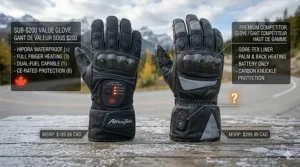
The balance between protection and dexterity affects riding experience significantly. Heavily armored gloves with EVA padding and carbon fiber knuckles offer superior crash protection but reduce feel for controls. Sport riders and those prioritizing safety should accept slightly reduced dexterity. Touring riders who value all-day comfort might prefer lighter gloves with less armor but better feel.
Waterproofing and Weather Resistance: Essential for Canadian Riders 💧
Canadian motorcyclists face some of North America’s most challenging weather conditions, where exposure to cold temperatures can lead to serious health risks like frostbite and hypothermia. Your heated gloves might keep your hands warm, but if they’re soaked through after 20 minutes of freezing rain, you’re going to have a miserable ride home.
Understanding waterproofing ratings helps set realistic expectations. IPX4 rating means the gloves resist water splashes from any direction—adequate for light rain but not heavy downpours. IPX5 handles low-pressure water jets, suitable for moderate rain. True waterproof gloves usually don’t carry IP ratings but instead use waterproof-breathable membranes similar to those in premium jackets.
The multi-layer construction in quality heated gloves creates a moisture barrier system. The outer shell (typically treated nylon or leather) provides the first defense, shedding water through DWR (Durable Water Repellent) coatings. Beneath that, a waterproof-breathable membrane (Hipora and similar technologies) blocks external moisture while allowing sweat vapor to escape. This prevents the clammy, uncomfortable feeling that occurs when your hands sweat inside non-breathable gloves.
Canadian buyers should pay special attention to seam sealing and zipper waterproofing. Battery compartment zippers represent potential water entry points. Look for YKK or similar quality waterproof zippers with storm flaps covering the zipper track. Seams should be taped or sealed—gloves with exposed stitching on the exterior will eventually leak during sustained wet riding.
Leather versus synthetic construction presents an interesting trade-off for Canadian conditions. Leather gloves offer superior abrasion resistance and develop beautiful patina over years of use. However, leather requires regular conditioning with waterproofing treatments to maintain moisture resistance. Synthetic gloves (typically nylon with polyurethane coatings) offer consistent waterproofing that requires less maintenance but may not last as many seasons.
The breathability aspect becomes crucial during longer Canadian rides. Non-breathable waterproof gloves trap moisture from perspiration, leaving your hands feeling damp and cold despite the heating elements. This undermines the entire purpose of heated gloves. Quality models balance waterproofing with breathability, using membranes that block liquid water molecules while allowing smaller water vapor molecules to escape.
Winter riding in Canada often involves transitions between wet and frozen conditions. Your gloves might get soaked during a Pacific rain system, then frozen solid when you climb into the interior mountains. Look for materials that maintain flexibility when frozen—some synthetic fabrics become stiff and board-like in extreme cold, while quality leather and technical fabrics remain supple.
Drying time matters for multi-day touring. If your gloves get soaked on day one of a three-day trip, will they be dry by morning? Synthetic gloves generally dry faster than leather, though modern heated gloves can actually be worn while damp (on low heat settings) to dry from the inside out. Never use high heat settings on soaked gloves—the rapid temperature change can damage waterproof membranes and heating elements.
Safety Features and Certifications: What to Look For 🛡️
Heated gloves represent a unique safety challenge—they’re simultaneously protective equipment designed to prevent injury and electronic devices that could potentially cause harm if poorly designed. Understanding safety features helps Canadian riders make informed choices that protect both hands and lives.
Battery safety certifications should top your checklist. Look for batteries certified by UL (Underwriters Laboratories), CE (European Conformity), FCC (Federal Communications Commission), or similar recognized testing organizations. These certifications indicate the batteries have undergone rigorous testing for thermal runaway protection, short-circuit prevention, and safe operation in the temperature ranges you’ll encounter in Canadian winters.
The U.S. Consumer Product Safety Commission has issued warnings about poorly designed heated gloves causing burns and fires. While this mostly affects ultra-cheap models under $30, it demonstrates the importance of choosing reputable brands with proper safety engineering. All the gloves recommended in this guide include multiple safety features and come from established manufacturers with safety track records.
Thermal cutoff systems automatically shut down heating elements if internal temperatures exceed safe thresholds, typically around 140-160°F (60-71°C). This prevents burns to your skin and protects the glove materials from heat damage. Better models use thermostats or temperature sensors at multiple locations to ensure even, safe heating across all fingers.
Short-circuit protection prevents electrical faults from causing fires or battery explosions. Quality gloves incorporate circuit breakers or fuses that immediately cut power if an electrical short is detected. This is particularly important given the mechanical stress motorcycle gloves endure—controls, handlebars, and occasional drops can potentially damage internal wiring.
Fire-resistant battery casings have become standard in quality heated gloves following several incidents with cheaper models. Look for mentions of flame-retardant or fire-resistant materials in battery compartments. This provides an additional layer of protection should a battery malfunction occur.
The heating element construction itself affects safety. Modern carbon fiber and far infrared fiber elements distribute heat evenly without hot spots that could cause burns. Older wire-based systems sometimes created uncomfortable hot spots where wires crossed or bundled together. The far infrared technology used in SAVIOR and SNOW DEER gloves provides gentler, more even warmth.
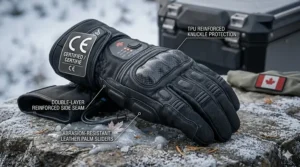
Crash protection features matter because heated gloves are still motorcycle gloves. Canadian riders should look for CE certification or similar safety standards indicating the gloves provide adequate impact protection. Hard knuckle protectors, reinforced palms, and padding in the fingers and back of hand all contribute to injury prevention during crashes.
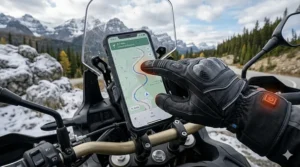
The integration of safety features with riding functionality separates good heated gloves from great ones. Gloves should maintain adequate grip on controls, allow full range of motion for operating clutch and brake levers, and provide touchscreen compatibility so you can navigate GPS without removing gloves in freezing temperatures. The best models accomplish all this while keeping hands warm and protected.
Maintenance and Care: Extending Your Glove Lifespan 🔧
Heated motorcycle gloves represent a significant investment for most Canadian riders, and proper maintenance can dramatically extend their functional lifespan. With appropriate care, quality heated gloves easily last 3-5 seasons of regular use.
Battery maintenance directly affects glove performance and longevity. Lithium-ion batteries deteriorate over time regardless of use, but proper care slows this degradation. Always remove batteries before washing gloves—water damage to batteries is permanent and dangerous. Charge batteries fully every 3-6 months during off-season storage, and never allow them to sit completely discharged for extended periods.
Charging practices significantly impact battery health. Use only the manufacturer-provided charger or certified replacements—cheap third-party chargers can damage batteries or create fire hazards. Most heated glove batteries benefit from overnight charging cycles (8-12 hours) rather than quick charges. The initial charge after purchase should be extra-long to condition the batteries properly.
Battery storage temperature matters for Canadian riders. Extreme cold and extreme heat both accelerate battery degradation. Store batteries at room temperature (15-25°C) in a dry location. Never leave batteries in your motorcycle during winter months—even in a garage, temperatures can drop low enough to damage cells. Bring them inside your home for proper storage.
Cleaning heated gloves requires more care than regular motorcycle gloves. Always hand wash rather than machine washing—the agitation and water immersion of washing machines can damage heating elements and waterproof membranes. Use cold water with mild detergent, gently working the soap through the material. Pay special attention to the palm and finger areas where road grime accumulates.
Spot cleaning with a damp cloth handles minor dirt and grime without full washing. For leather gloves, use leather-specific cleaners and conditioners to maintain suppleness and water resistance. Synthetic gloves can tolerate slightly more aggressive cleaning but avoid harsh chemicals that might damage waterproof coatings.
Drying methods critically affect glove longevity. Never use high heat to dry heated gloves—this can damage the delicate heating elements, melt waterproof membranes, and warp battery compartments. Instead, stuff gloves with newspaper or dry rags to absorb moisture and maintain shape, then air dry in a well-ventilated area away from direct sunlight or heat sources. Patience pays off—proper drying takes 24-48 hours but preserves glove integrity.
Inspect heating elements and wiring periodically, especially before the riding season begins. Look for any visible damage to wires near battery connections, and test all heat settings before heading out on your first cold ride. Frayed wires or inconsistent heating indicate potential problems that should be addressed before they worsen.
Proper storage between rides maintains glove shape and protects components. Store gloves flat or hanging rather than crumpled in a bag. Keep them in a dry, ventilated space away from moisture, direct sunlight, and petroleum products (gasoline, oil). Many riders keep their heated gloves in a sealed plastic bag with silica gel packets to prevent moisture accumulation during humid summer months.
Comparing Heated Gloves vs. Heated Grips: Which is Better for Canada? 🤔
Canadian riders often debate whether heated grips or heated gloves provide better cold-weather performance. The answer depends on your riding style, typical conditions, and budget constraints—but for most riders, heated gloves offer superior all-around warmth.
Heated grips work by warming the handlebars where your palms contact them. They’re convenient because they don’t require removing batteries or charging separate devices—they draw power directly from your motorcycle’s electrical system. For mild cold (5°C to -5°C), heated grips combined with good quality winter gloves provide adequate warmth for many riders. The constant palm heat feels wonderful on chilly morning commutes.
However, heated grips have significant limitations in Canadian winter conditions. They only warm your palms, leaving fingers, knuckles, and the backs of your hands exposed to frigid temperatures. When you’re riding at -15°C with windchill dropping that to -30°C, heated grips alone won’t prevent frozen fingertips. The backs of your hands receive zero warming, making them vulnerable to frostbite during extended rides.
Heated motorcycle gloves under $200 provide comprehensive warmth covering your entire hand. Modern gloves include heating elements extending from the back of your hand through every finger to the tips, with many models adding palm heating as well. This all-around coverage makes the crucial difference between comfortable cold-weather riding and miserable frozen fingers.
The off-bike advantage heavily favours heated gloves. When you stop for gas, food, or photos, heated grips do nothing for you. Quality heated gloves keep your hands warm during these stops, which can be just as important as warmth while riding. This proves especially valuable on multi-day tours where you’re constantly on and off the bike.
Power source considerations affect the comparison. Heated grips draw from your motorcycle’s battery, which works perfectly as long as your engine runs. However, this electrical load can strain smaller motorcycle charging systems, particularly older bikes or those with numerous accessories already installed. Heated gloves use self-contained batteries, imposing zero load on your motorcycle’s electrical system.
Cost comparisons show heated grips installation typically runs $100-300 CAD for quality units plus installation labour if you’re not mechanically inclined. Budget heated gloves start at $80 CAD and require no installation. However, you can actually use both together for ultimate warmth in extreme conditions—heated grips warming your palms while heated gloves protect everything else.
The ideal Canadian winter setup for serious year-round riders combines both technologies. Install heated grips for baseline palm warmth and reduced battery drain on your heated gloves. This allows running gloves on low settings most of the time, dramatically extending battery life while maintaining complete hand warmth. This hybrid approach provides the best of both worlds for challenging Canadian winters.
Real Canadian Rider Experiences: Reviews from Coast to Coast 🗺️
Canadian motorcyclists face unique challenges that American or European riders rarely encounter. Here’s what real Canadian buyers reported about heated motorcycle gloves under $200 during the 2025-2026 winter season.
British Columbia coastal riders dealing with wet, moderate cold (0°C to 5°C with rain) consistently praised the SAVIOR HEAT S15 gloves for waterproofing performance. One Vancouver commuter mentioned riding through two hours of steady rain with completely dry hands, noting the waterproof construction delivered exactly as promised. The far infrared heating proved gentle enough for all-day wear without overheating during mild stretches.
Prairie riders from Alberta, Saskatchewan, and Manitoba emphasized battery life as their top concern. When you’re potentially 200 kilometers from the nearest town, dead batteries aren’t just uncomfortable—they’re dangerous. Manitoba touring riders reported the SNOW DEER 3000mAh gloves delivering reliable 8+ hour performance during autumn rides, with temperatures ranging from -5°C to -15°C.
One Edmonton commuter shared an interesting strategy: running KEMIMOTO gloves on high for the first 15 minutes of their morning commute, then switching to low for the remaining 20-minute ride. This approach kept hands comfortably warm without draining batteries completely, allowing them to recharge just twice weekly rather than daily.
Ontario riders highlighted the importance of versatility given the province’s variable winter conditions. One Toronto rider appreciated how the KEMIMOTO EVA-Pad gloves handled everything from +5°C fall rain to -20°C January cold snaps. The hard knuckle protection proved valuable during a low-speed parking lot drop on ice, preventing hand injury that unprotected gloves wouldn’t have prevented.
Quebec riders mentioned appreciation for touchscreen compatibility in heated gloves. Navigating Montreal’s complex highway interchanges requires GPS, and removing gloves at -15°C to zoom in or adjust routes proved impractical. Gloves with conductive fingertips allowed GPS operation without exposing frozen fingers to punishing wind chill.
Maritime riders from Nova Scotia and New Brunswick emphasized the salt and moisture challenges of coastal winter riding. Several mentioned the importance of post-ride cleaning to prevent salt corrosion on battery contacts and zippers. Those who religiously wiped down battery compartments and zippers after salty rides reported better long-term performance than riders who neglected this maintenance.
Northern riders from Yukon and Northwest Territories provided the ultimate cold-weather testing. At temperatures below -25°C, even the best heated gloves struggled to maintain fingertip warmth during sustained highway speeds. However, riders reported that heated gloves made previously impossible winter riding merely challenging rather than dangerous. Several mentioned using heated gloves in conjunction with handlebar mitts for extreme condition riding.
Top 5 FAQs About Heated Motorcycle Gloves in Canada ❓
❓ How cold is too cold for riding a motorcycle in Canada with heated gloves?
❓ Can I wear heated motorcycle gloves while charging, or do I need to remove the batteries?
❓ Are heated gloves allowed on airplanes when traveling across Canada?
❓ How long do heated motorcycle glove batteries last before needing replacement?
❓ Do heated motorcycle gloves work well for snowmobiling and winter sports in Canada?
Conclusion: Staying Warm Without Breaking the Bank 🎯
Canadian motorcyclists no longer face the impossible choice between warm hands and empty wallets. The heated motorcycle gloves under $200 available in 2026 deliver impressive performance, proven reliability, and thoughtful features that rival premium options costing twice as much.
Throughout this comprehensive guide, we’ve explored seven exceptional gloves spanning the $80-$180 CAD price range on Amazon.ca. From the budget-friendly KEMIMOTO 2025 Version at just $79.99 to the feature-packed SAVIOR HEAT Professional approaching the $200 threshold, each model offers unique advantages for different Canadian riding conditions.
The key takeaways for Canadian riders? Prioritize battery capacity if you’re touring long distances through remote areas—those 3000mAh batteries provide crucial peace of mind when you’re 200 kilometers from the nearest charging outlet. Focus on waterproofing if you ride coastal regions where rain and wet snow dominate winter weather. Emphasize insulation and wind protection if you’re battling prairie winters where -30°C temperatures and relentless winds create punishing riding conditions.
Safety features shouldn’t be afterthoughts in your decision. All the gloves recommended here include proper battery certifications, thermal cutoff protection, and short-circuit prevention. These safety systems protect both your hands and your investment, ensuring years of reliable cold-weather riding across Canada’s diverse climate zones.
The technology has matured beautifully. Modern heated gloves use sophisticated far infrared elements and microwire systems that provide even, gentle warmth without the hot spots and discomfort of older designs. Battery management systems intelligently regulate power consumption, extending runtime while preventing overheating. Waterproof-breathable membranes keep your hands dry without creating the clammy sweat that undermines conventional gloves.
Canadian riders who’ve been putting off the heated glove purchase, waiting for prices to drop or technology to improve—your time has arrived. The value proposition in 2026 is extraordinary, with proven performers available for less than the cost of a single tank of premium fuel for your bike.
Winter riding in Canada presents unique challenges, but it also offers unparalleled beauty—empty highways through snow-dusted forests, crisp air sharpening your senses, and the satisfaction of conquering conditions that keep fair-weather riders parked. With the right heated motorcycle gloves keeping your hands warm and functional, those winter adventures become not just possible but genuinely enjoyable.
Don’t let another Canadian winter pass with frozen fingers clutching your handlebars. Choose the heated gloves that match your riding style, your climate zone, and your budget. Then get out there and experience the incredible satisfaction of year-round riding, even when your non-riding friends think you’re absolutely crazy for venturing out in February.
Recommended for You 📚
- 7 Best 12v Heated Motorcycle Gloves Canada 2026
- 7 Best Rechargeable Heated Motorcycle Gloves Canada 2026
- 7 Best Heated Motorcycle Gloves 2026 Canada
Disclaimer: This article contains affiliate links to Amazon.ca. If you purchase products through these links, we may earn a small commission at no additional cost to you.
✨ Found this helpful? Share it with your friends! 💬🤗
