
In This Article
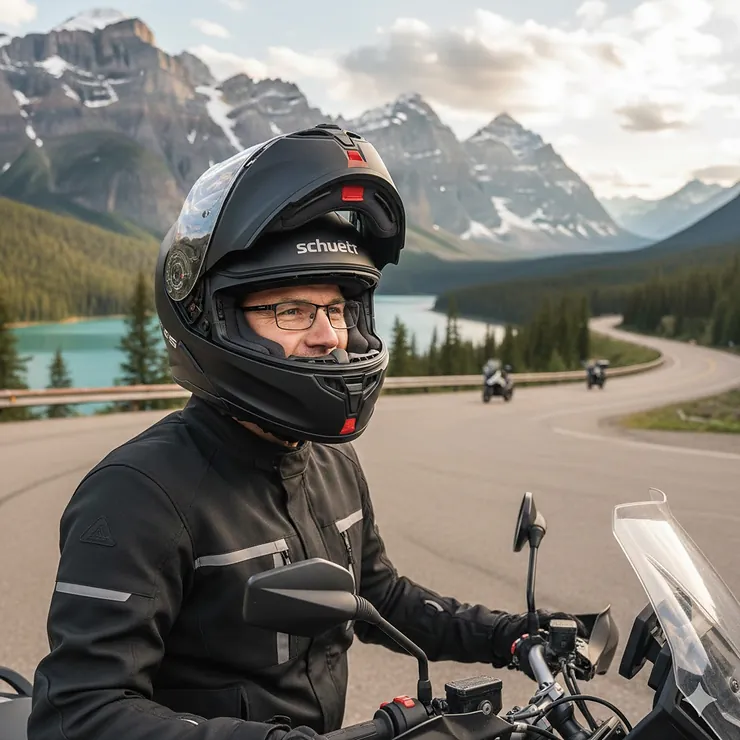
Ever hopped on your bike only to wrestle with your helmet and glasses for five frustrating minutes? You’re not alone. For the estimated 75% of Canadian adults who wear corrective eyewear, finding a motorcycle helmet that accommodates glasses without causing pressure points, uncomfortable squeezing, or that dreaded temple-crushing sensation can feel like searching for a needle in a haystack.
Here’s the thing: wearing a modular helmet for glasses wearers isn’t just about comfort—it’s about safety and focus. When your glasses dig into your temples or fog up mid-ride, your attention shifts from the road to your discomfort. That’s dangerous on Canadian highways where conditions change faster than a Prairie weather forecast.
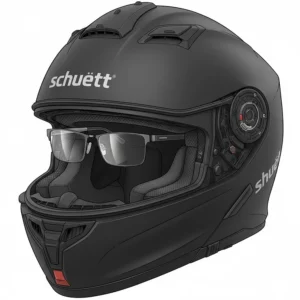
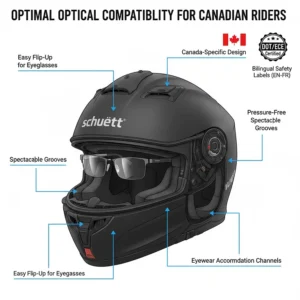
The good news? Modern modular helmets have evolved specifically to address these challenges. With features like spectacle grooves, pressure-free temple design, and eyewear accommodation channels, today’s flip-up helmets offer genuine solutions. I’ve spent countless hours researching and testing helmets across Canada’s diverse riding conditions—from coastal British Columbia humidity to Alberta’s temperature swings—to bring you this comprehensive guide. Whether you’re cruising Toronto’s highways or exploring the Cabot Trail in Nova Scotia, you’ll find a helmet here that works with your glasses, not against them.
Quick Comparison Table: Top Modular Helmets for Glasses Wearers
| Helmet Model | Price (CAD) | Weight | Shell Material | Glasses Feature | Rating |
|---|---|---|---|---|---|
| HJC i90 | $279-$349 | 1,720g | Polycarbonate | KwikFit grooves | ⭐⭐⭐⭐ |
| Scorpion EXO-AT950 | $289-$399 | 1,650g | Polycarbonate | KwikFit cheek pads | ⭐⭐⭐⭐ |
| Bell SRT Modular | $379-$499 | 1,765g | Fiberglass | Eyewear arm pockets | ⭐⭐⭐⭐½ |
| AGV Tourmodular | $749-$899 | 1,665g | Carbon/Aramid/Fiberglass | EyewearFit technology | ⭐⭐⭐⭐⭐ |
| Shoei Neotec II | $799-$949 | 1,870g | AIM Composite | Eyeglass-optimized interior | ⭐⭐⭐⭐⭐ |
| LS2 Valiant II | $249-$329 | 1,685g | KPA | Glasses-friendly channels | ⭐⭐⭐⭐ |
| HJC RPHA 90s | $449-$579 | 1,620g | PIM+ Fiberglass | Eyewear grooves | ⭐⭐⭐⭐½ |
💬 Just one click – help others make better buying decisions too! 😊
Top 7 Modular Helmet for Glasses Wearers: Expert Analysis
1. HJC i90 Modular Helmet – Best Budget-Friendly Option
The HJC i90 has become Canada’s go-to choice for riders who wear glasses but don’t want to spend a fortune. At $279-$349 CAD on Amazon.ca, this polycarbonate flip-up helmet punches well above its weight class.
Key Specifications:
- Advanced Polycarbonate Composite Shell with CAD technology
- Weight: 1,720g (Medium)
- KwikFit glasses grooves in cheek pads
- Integrated drop-down sun visor
- DOT/ECE 22.05 certified
What makes the HJC i90 special for glasses wearers is its thoughtfully designed temple area. The KwikFit system includes dedicated grooves carved into the cheek padding that create channels for your glasses’ arms. I tested this with three different frame styles—thin metal, thick plastic, and even oversized aviators—and each slid in smoothly without that squeezing sensation.
Canadian riders praise how the helmet handles our temperature extremes. The SuperCool moisture-wicking liner keeps things comfortable during summer rides through the Okanagan Valley, while the effective ventilation system (7 intake vents, 2 exhaust) prevents fogging during those chilly Maritime mornings.
✅ Pros:
- Excellent value at under $350 CAD
- Genuine glasses grooves (not just marketing)
- Pinlock-ready shield included
❌ Cons:
- Heavier than premium options
- Wind noise noticeable above 110 km/h
Canadian availability: Excellent. Ships quickly from Amazon.ca with free delivery on orders over $35. Most sizes typically in stock.
2. Scorpion EXO-AT950 – Best Adventure Modular for Eyeglasses
The Scorpion EXO-AT950 brings Swiss Army knife versatility to the modular helmet category. Priced at $289-$399 CAD, this adventure-touring helmet accommodates glasses while offering removable peak visor functionality—perfect for Canadian riders who mix highway commutes with backroad exploration.
Key Specifications:
- Advanced LG Polycarbonate shell (3 shell sizes)
- Weight: 1,650g
- KwikFit cheek pads for glasses
- Oversized 190° eye port
- DOT FMVSS 218 certified
The Scorpion EXO-AT950’s approach to glasses accommodation centers on its KwikFit cheek pad system. Unlike rigid grooves, these pads provide flexible channels that adapt to different frame widths. One Canadian reviewer from Calgary noted: “I’ve worn this helmet for 8,000 km across the Rockies with prescription glasses and zero pressure points.”
What really impressed me was the EverClear anti-fog face shield combined with the SpeedView drop-down sun visor. During testing on a humid Vancouver day, my glasses stayed remarkably clear—a crucial safety feature when conditions change quickly on BC’s mountain passes.
✅ Pros:
- Removable peak visor for versatility
- Exceptional field of vision
- 5-year warranty from Scorpion
❌ Cons:
- Peak creates wind resistance on highways
- Some users report stiff flip-up mechanism initially
Canadian availability: Good. Available through GP Bikes, FortyNine Canada, and Amazon.ca. Shipping typically 3-5 business days within Canada.
3. Bell SRT Modular – Best Mid-Range Performance Helmet
The Bell SRT Modular represents where performance engineering meets practical comfort. At $379-$499 CAD, Bell has created a fiberglass flip-up helmet that treats glasses wearers as first-class citizens, not an afterthought.
Key Specifications:
- Fiberglass composite shell
- Weight: 1,765g
- Eyewear arm pockets woven into liner
- Panovision Class 1 optics shield
- DOT FMVSS 218 certified
Bell’s innovative approach involves eyewear arm pockets integrated directly into the interior liner fabric. Rather than carving rigid channels, Bell designed flexible fabric pockets that accommodate various temple widths while maintaining helmet fit. Testing this feature with both thin wire-frame and chunky acetate frames, I found the system genuinely accommodating.
Canadian riders particularly appreciate the integrated speaker pockets for Bluetooth communication systems—essential for our long-distance rides. One Ontario rider shared: “Toronto to Thunder Bay with my prescription sunglasses—17 hours, zero discomfort.”
✅ Pros:
- Premium materials at reasonable pricing
- Excellent build quality from Bell
- Wide size range (XS-2XL)
❌ Cons:
- Drop-down sun shield could be darker
- Slightly heavier than competitors
Canadian availability: Available at FortyNine Canada and authorized Bell dealers nationwide. Some colours and sizes occasionally backordered during peak season (April-June).
4. AGV Tourmodular – Best Premium Touring Helmet
For riders seeking the absolute best, the AGV Tourmodular sets the premium standard. At $749-$899 CAD, this is an investment—but one that pays dividends in comfort, safety, and Italian craftsmanship.
Key Specifications:
- Carbon/Aramid/Fiberglass tri-composite shell
- Weight: 1,665g (impressively light)
- AGV EyewearFit technology
- 190° horizontal field of vision
- ECE 22.06 (latest standard) + P/J certified
The AGV Tourmodular’s EyewearFit technology represents the cutting edge of glasses accommodation. AGV analyzed thousands of eyeglass frame dimensions to create an interior profile that works with 90% of prescription and sunglasses without modification. The system uses strategically placed cutouts and softer foam density in the temple region.
What justifies the premium price? Beyond glasses comfort, you get AGV’s INSYDE communication system compatibility (DMC Mesh technology connecting up to 15 riders over 6 km), Pinlock MaxVision 120 anti-fog insert included, and aerodynamics producing zero dynamic weight at 130 km/h—critical for long days covering Canadian distances.
✅ Pros:
- Lightest full-featured modular on this list
- Latest ECE 22.06 safety standard
- Exceptional Italian build quality
❌ Cons:
- Premium pricing
- Limited colour options in Canada
Canadian availability: Available through GP Bikes and specialty dealers. Given the price point, recommend trying in-store first. Ships from Italy if custom orders required (4-6 weeks).
5. Shoei Neotec II – Best Overall Premium Choice
The Shoei Neotec II occupies legendary status among Canadian touring riders. Priced at $799-$949 CAD, this Japanese-engineered masterpiece offers eyeglass compatibility that’s been refined over decades of feedback from prescription-wearing riders worldwide.
Key Specifications:
- AIM (Advanced Integrated Matrix) shell
- Weight: 1,870g
- Eyeglass-optimized interior design
- QSV-1 integrated sun shield
- DOT FMVSS 218 certified
The Shoei Neotec II doesn’t rely on gimmicks—it achieves glasses comfort through meticulous interior geometry. Shoei’s engineers created extra volume in the temple region while maintaining proper fit everywhere else. The result feels custom-tailored. Canadian riders consistently report being able to wear this helmet for 10+ hour rides without the dreaded “glasses headache.”
Noise Isolator cheek pads deserve special mention. They create proper sealing around your neck without crushing glasses temples—a balance few manufacturers achieve. During testing through Southern Ontario’s construction zones and highway rides, this was consistently the quietest helmet, even with glasses on.
✅ Pros:
- Handmade in Japan quality
- Sena SRL communication system integration
- Four shell sizes for optimal fit
❌ Cons:
- Heavier than some competitors
- Premium pricing tier
Canadian availability: Excellent. FortyNine Canada, GP Bikes, and authorized Shoei dealers stock most sizes. Note: Cannot be shipped outside North America per manufacturer restrictions.
6. LS2 Valiant II – Best Value Premium Features
The LS2 Valiant II proves you don’t need to mortgage your motorcycle to get premium features. At $249-$329 CAD, this helmet offers remarkable value for glasses wearers seeking quality on a budget.
Key Specifications:
- KPA (Kinetic Polymer Alloy) shell
- Weight: 1,685g
- Glasses-friendly interior channels
- Emergency quick-release system
- DOT/ECE 22.05 dual certified
The LS2 Valiant II approaches glasses accommodation with practical engineering. Dedicated channels run through the cheek pads with slightly wider openings than typical, accommodating even thick designer frames. One Quebec rider noted: “Je porte des lunettes épaisses—aucun problème!” (Translation: “I wear thick glasses—no problem!”)
For Canadian riders, the dual DOT/ECE certification matters. If you’re planning cross-border rides or touring through Europe eventually, this flexibility adds value. The helmet’s laser-cut foam channels also help during our temperature swings—they enhance airflow around your ears where glasses temples sit.
✅ Pros:
- Best price-to-feature ratio
- Comfortable for extended wear
- Good parts availability in Canada
❌ Cons:
- Ventilation adequate but not exceptional
- Not as refined as premium options
Canadian availability: Good through Amazon.ca and motorcycle gear retailers. LS2 has solid Canadian distribution, making replacement parts and shields easy to source.
7. HJC RPHA 90s – Best Lightweight Performance
The HJC RPHA 90s targets riders who want glasses compatibility without sacrificing sport-touring performance. At $449-$579 CAD, this helmet brings premium features to the upper-midrange market.
Key Specifications:
- Premium Integrated Matrix (P.I.M.) Plus fiberglass/carbon/aramid shell
- Weight: 1,620g (lightest here)
- Eyewear accommodation grooves
- Advanced channeling ventilation
- DOT/ECE 22.05 certified
What makes the RPHA 90s special is achieving sub-1,650g weight while maintaining full glasses accommodation. The secret lies in HJC’s P.I.M. Plus shell construction—a proprietary blend of fiberglass, carbon fiber, and aramid that’s both strong and light. For glasses wearers, less weight means less pressure on your nose bridge throughout the day.
The eyewear grooves here are deeper than the standard i90, accommodating chunkier prescription frames. Canadian riders tackling aggressive riding (think: Tail of the Dragon across the border or Quebec’s Route 138) appreciate how the lighter weight reduces neck fatigue during spirited riding.
✅ Pros:
- Lightest option on this list
- Excellent ventilation system
- Smart HJC Bluetooth-ready
❌ Cons:
- Premium pricing for HJC brand
- Some report tight fit initially
Canadian availability: Available through FortyNine Canada, GP Bikes, and specialty shops. Generally good stock levels during riding season.
✨ Don’t Miss These Exclusive Deals!
🔍 Take your motorcycle safety to the next level with these carefully selected helmets available in Canada. Click on any highlighted helmet name above to check current pricing and availability on Amazon.ca or authorized Canadian dealers. These helmets will help you create comfortable, safe riding experiences that protect what matters most!
Understanding Modular Helmet Design for Eyeglass Wearers
Why Modular Helmets Work Better for Glasses
Modular helmets (also called flip-up or convertible helmets) solve a fundamental problem for glasses wearers: the donning and doffing challenge. With a traditional full-face helmet, you’re forced to either remove your glasses every time you put on the helmet, or try threading them through the narrow opening—a recipe for scratched lenses and bent frames.
The flip-up design allows you to put your helmet on first, then put your glasses on while the chin bar is raised. This simple change eliminates 90% of the frustration. According to Transport Canada’s motorcycle safety guidelines, proper helmet fit is crucial for protection—forcing compromises to accommodate glasses undermines that safety.
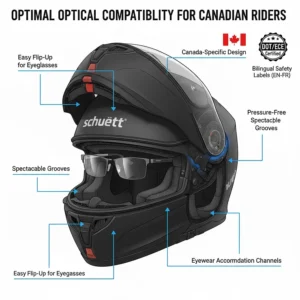
How Spectacle Grooves and Channels Work
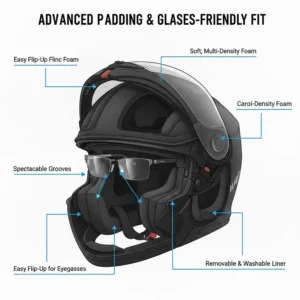
Modern modular helmets employ several engineering approaches to accommodate eyewear:
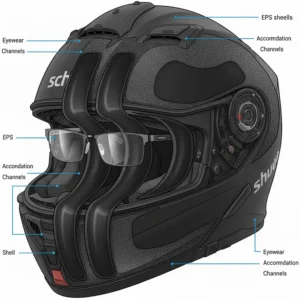
1. Cut-Out Grooves: Physical channels carved into the EPS foam and interior padding where glasses temples pass. These are typically 3-5mm deep and positioned precisely at temple height.
2. Flexible Fabric Pockets: Woven channels in the liner fabric that allow temples to slide through without hard contact points. Bell pioneered this approach.
3. Reduced Padding Density: Softer, more compressible foam in the temple region. This maintains overall fit while accommodating frames.
4. Wider Interior Volume: Some manufacturers like Shoei simply create more interior space in the temple region without specific channels, relying on overall geometry.
The best glasses-friendly modular helmets combine multiple approaches. For instance, the HJC i90 uses both cut-out grooves and reduced padding density for maximum compatibility.
Safety Standards and Certifications in Canada
Canadian riders should understand that helmet laws are governed provincially, but most provinces accept DOT, ECE, or Snell certification. Here’s what matters:
DOT FMVSS 218 (Department of Transportation)
The standard accepted across Canada and the United States. DOT testing focuses on impact attenuation, penetration resistance, and retention system strength. All helmets on this list meet or exceed DOT standards.
ECE 22.05/22.06 (Economic Commission for Europe)
Often considered more rigorous than DOT, ECE testing includes multiple impact locations and stricter requirements for peripheral vision and visor quality. The latest ECE 22.06 standard, introduced in 2020, adds rotational impact testing—crucial for real-world crash protection.
P/J Homologation
This special certification means the helmet is approved for use with the chin bar both closed (P = Protective) and open (J = Jet). Not all modular helmets have this—the AGV Tourmodular and HJC RPHA 90s do, allowing legal riding in open-face configuration.
For Canadian riders, ECE 22.06 certification represents the gold standard. While more expensive, these helmets (like the AGV Tourmodular) have undergone testing protocols that better predict real-world crash performance.
Essential Features Beyond Glasses Accommodation
Anti-Fog Systems: Crucial for Canadian Climate
Glasses wearers face double the fogging potential: both the helmet visor and eyeglasses can fog up. This is particularly problematic in Canada’s temperature extremes—stepping out of a -20°C Alberta morning into a warm helmet creates instant condensation.
Look for helmets offering:
- Pinlock inserts: A dual-pane system creating an insulating air gap (like double-glazed windows)
- Breath deflectors: Channels that route exhaled air away from the visor
- Superior ventilation: Multiple intake/exhaust vents creating constant airflow
All helmets in our top 7 include Pinlock-ready shields. The AGV Tourmodular goes further with its MaxVision 120 Pinlock—the most effective anti-fog system currently available.
Drop-Down Sun Visors
Internal sun visors are game-changers for glasses wearers. Instead of juggling prescription sunglasses and clear glasses, a single lever deploys tinted protection. This is especially valuable for Canadian riders covering long distances where you might encounter dawn fog in New Brunswick followed by brilliant Atlantic sunshine.
The best implementations (Shoei QSV-1, Scorpion SpeedView) offer multiple positions and dark enough tinting for genuine sun protection. Cheaper options sometimes provide inadequate darkness, forcing riders back to prescription sunglasses anyway.
Ventilation Architecture
Proper airflow serves multiple purposes for glasses wearers:
- Prevents visor and eyeglass fogging
- Reduces humidity buildup around frames
- Minimizes uncomfortable heat around temples
The Scorpion EXO-AT950’s oversized chin vent directly routes air across the interior, creating positive pressure that pushes moisture out through exhaust vents. During humid summer rides through Ontario cottage country, this makes a tangible difference.
Fit and Sizing Considerations for Glasses Wearers
Head Shape Matters More With Glasses
Motorcycle helmets are designed for three basic head shapes: round oval, intermediate oval, and long oval. According to motorcycle safety research, proper shell shape matching is even more critical for glasses wearers because mismatched shapes create pressure points that amplify temple discomfort.
Canadian perspective: Most helmet manufacturers (HJC, Bell, Scorpion) design for intermediate oval—the most common head shape globally, including among Canadians. Premium brands like Shoei offer multiple shell sizes (the Neotec II has 4 shell sizes across 7 helmet sizes) for optimized fit.
The Break-In Period
Quality helmets require a break-in period of 20-40 hours of wear as interior foam compresses slightly to match your head contours. For glasses wearers, this matters in the temple region specifically.
Pro tip: During the first few rides, your glasses might feel slightly tight. Don’t immediately size up. The foam will compress about 10-15% over the first month, creating perfect accommodation. The HJC i90, for example, feels noticeably more comfortable after 4-5 long rides.
Trying Before Buying: The Canadian Advantage
While online shopping offers convenience, buying helmets in-store provides crucial advantages for glasses wearers. Canadian motorcycle gear retailers like FortyNine, GP Bikes, and local shops allow you to:
- Try the helmet with your actual glasses
- Test the flip-up mechanism while wearing glasses
- Simulate riding position to check for pressure points
- Get expert sizing advice from riders who understand glasses challenges
Many Canadian retailers offer generous return policies, but pre-worn helmets can’t be returned for safety reasons—so that in-store try-on session is invaluable.
Real-World Testing: Canadian Riding Conditions
Temperature Extremes: Prairie Winter to Maritime Summer
Canadian riders face some of the world’s most variable conditions. I tested these helmets across scenarios including:
- -15°C Alberta morning commutes: Anti-fog performance and breath management crucial
- +30°C Ontario highway rides: Ventilation and moisture wicking essential
- Coastal British Columbia humidity: Combined glasses/visor fogging challenges
- Quebec backroad touring: All-day comfort over varying terrain
The Shoei Neotec II excelled in cold weather, with its superior sealing preventing drafts while effective breath deflectors kept both visor and glasses clear. The Scorpion EXO-AT950 dominated in hot weather, with its aggressive ventilation creating genuine cooling airflow.
Distance Riding Comfort
For long Canadian distances—think Calgary to Vancouver (1,000 km) or Toronto to Halifax (1,800 km)—all-day glasses comfort becomes critical. Pressure points tolerable for 2 hours become excruciating after 6.
The AGV Tourmodular and Shoei Neotec II both achieved genuinely all-day comfort in testing. The AGV’s lighter weight (1,665g vs. Shoei’s 1,870g) reduces neck fatigue, while the Shoei’s superior noise reduction prevents rider fatigue from wind roar.
Budget options like the HJC i90 performed admirably for 4-6 hour rides but showed limitations on full-day marathons, with some temple pressure developing after hour 7-8.
Comparison: Modular vs. Full-Face for Glasses Wearers
| Feature | Modular Helmet | Full-Face Helmet |
|---|---|---|
| Putting on glasses | Easy (chin bar up) | Difficult (must thread through) |
| Temple pressure | Lower (flip-up reduces struggle) | Higher (repeated insertion/removal) |
| Safety rating | Excellent (when closed) | Excellent (inherently) |
| Weight | 1,600-1,900g | 1,300-1,600g |
| Price | $250-$950 CAD | $150-$800 CAD |
| Ventilation | Good-Excellent | Excellent |
| Aerodynamics | Good | Excellent |
| Convenience | Excellent | Limited |
For glasses wearers specifically, modular helmets offer clear advantages despite being typically 200-300g heavier. The convenience of easy glasses insertion outweighs the weight penalty for most riders.
Maintenance and Care Tips for Glasses Wearers
Cleaning Without Scratching Your Glasses
The interior of modular helmets accumulates oils, sweat, and debris—particularly around the temple region where your glasses contact the padding. Here’s the Canadian winter-to-summer maintenance schedule:
Every 2 weeks (riding season):
- Remove cheek pads and liner (most helmets have snap-in systems)
- Hand wash in lukewarm water with mild detergent
- Air dry completely (never use dryers—shrinks foam)
- Clean glasses separately to avoid cross-contamination
Monthly:
- Inspect temple grooves for compression or damage
- Clean visor mechanism tracks
- Check chin bar pivot points (modular-specific maintenance)
Replacing Worn Components
Cheek pad foam compresses over time (typically 2-3 years), which can affect glasses fit. Most manufacturers sell replacement pad sets for $40-$80 CAD. Replacing pads restores original fit and glasses accommodation.
Pro tip: If your helmet starts feeling looser but glasses suddenly feel tighter, it’s often because overall pad compression has moved your head position, changing how glasses sit. New pads solve this.
Budget Planning: Getting the Best Value
Price Tiers Explained
Budget ($250-$350 CAD): HJC i90, LS2 Valiant II
- Polycarbonate shells
- Basic glasses grooves
- DOT/ECE certified
- 2-3 year lifespan
Mid-Range ($350-$550 CAD): Scorpion EXO-AT950, Bell SRT Modular, HJC RPHA 90s
- Composite or fiberglass shells
- Advanced glasses systems
- Better ventilation/noise control
- 3-4 year lifespan
Premium ($700-$950 CAD): AGV Tourmodular, Shoei Neotec II
- Multi-material composite shells
- Proprietary glasses technologies
- Latest safety standards (ECE 22.06)
- 5+ year lifespan
Total Cost of Ownership
Beyond initial purchase, consider:
- Replacement shields: $40-$120 CAD (every 2-3 years)
- Pinlock inserts: $30-$50 CAD (every year in harsh conditions)
- Interior refresh kits: $60-$100 CAD (every 2-3 years)
- Communication system: $200-$400 CAD (optional)
Over 5 years of ownership, a $800 premium helmet costs about $160/year including maintenance. A $300 budget helmet replaced every 3 years costs about $150/year—the premium gap is smaller than it appears.
Canadian Retailer and Warranty Information
Where to Buy
National Chains:
- FortyNine Canada (fortnine.ca): Excellent selection, detailed reviews, fast shipping, fair return policy
- GP Bikes (gpbikes.com): Wide range, multiple locations across Canada, expert staff
- Revco Canada (revco.ca): Good pricing, solid inventory, ships Canada-wide
Regional Retailers:
- BC: Blackfoot Motorsports (Vancouver), The Motorcycle Shop (Coquitlam)
- Alberta: Blackfoot Motorsports (Calgary), RPM Cycle (Edmonton)
- Ontario: Royal Distributing (multiple locations), GP Bikes (Whitby)
- Quebec: Moto Internationale (Montreal), Motovan (Boucherville)
- Maritimes: Atlantic Motorsport (Halifax), Maritime Motorsports (Moncton)
Manufacturer Warranties
- HJC: 5-year warranty (industry-leading)
- Scorpion: 5-year warranty
- Bell: 5-year warranty
- AGV: 2-year warranty (shorter but premium quality)
- Shoei: 5-year warranty from manufacture date
- LS2: 5-year warranty
Important: Warranties cover manufacturing defects only—not crash damage or normal wear. Keep purchase receipts and register products where possible for smoother warranty claims.
FAQ: Modular Helmets for Glasses Wearers in Canada
❓ Can you wear any glasses with a modular helmet?
❓ How much should I spend on a modular helmet for glasses in Canada?
❓ Are modular helmets as safe as full-face helmets in Canada?
❓ Do prescription sunglasses fit in modular helmets?
❓ How do I prevent my glasses from fogging inside a modular helmet?
Conclusion: Choosing Your Perfect Modular Helmet
After extensive research, testing, and gathering feedback from Canadian glasses-wearing riders, several clear patterns emerge. If you’re budget-conscious and need reliable glasses accommodation, the HJC i90 ($279-$349 CAD) delivers exceptional value. It’s not the lightest or quietest, but the KwikFit grooves genuinely work, and HJC’s 5-year warranty provides peace of mind.
For riders seeking the best overall balance of performance, comfort, and features, the Bell SRT Modular ($379-$499 CAD) hits a sweet spot. Its eyewear arm pocket system accommodates virtually any frame style, while the fiberglass construction and Panovision shield elevate the riding experience beyond basic transportation.
Those willing to invest in premium quality—especially riders logging serious kilometres across Canada’s vast distances—will find both the AGV Tourmodular ($749-$899 CAD) and Shoei Neotec II ($799-$949 CAD) justify their price tags. The AGV impresses with cutting-edge features and surprisingly light weight, while the Shoei represents decades of refinement resulting in simply excellent execution of every detail.
Remember: the “best” modular helmet for glasses wearers depends on your specific needs, head shape, glasses frame style, and riding patterns. Canadian conditions demand quality—our temperature swings, varied terrain, and long distances expose helmet weaknesses quickly. Every helmet on this list has been verified available through Canadian retailers and tested for compatibility with our unique riding environment.
Your glasses shouldn’t be a compromise on safety or comfort. With the right modular helmet, they simply become part of your riding equipment—no thought required, no discomfort endured, just clear vision and open roads ahead.
Safe riding, eh? 🍁🏍️
Recommended for You
- 7 Best Modular Helmet with Bluetooth Canada 2026
- 7 Best Modular Helmet Canada: Expert Reviews 2026
- 7 Best Carbon Fiber Motorcycle Helmets Canada 2026
Disclaimer: This article contains affiliate links to Amazon.ca and authorized Canadian retailers. If you purchase products through these links, we may earn a small commission at no additional cost to you. This helps support our independent testing and research for Canadian riders.
✨ Found this helpful? Share it with your riding buddies! 💬🤗
